Foldable Wine Box vs Traditional Rigid Wine Box: Which is Better for Your Wine Bottle?

Foldable Wine Box vs Traditional Rigid Wine Box: Which is Better for Your Wine Bottle?

Tabla de Contenidos

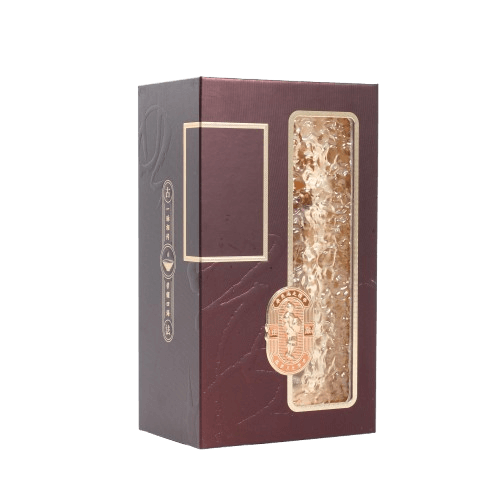
    Foldable Magnetic Wine Boxes For Single Bottle

    Selecting between a foldable wine box and a traditional rigid wine box goes beyond just a design choice. For wineries, beverage brands, gift companies, and retail packaging teams, this selection influences storage, freight expenses, brand perception, bottle safety, and the overall customer experience.

    A foldable wine box frequently proves suitable for projects requiring efficient logistics that save space, tailored display, and managed packaging expenses. Meanwhile, a traditional rigid wine box retains its worth in scenarios where the project demands a more substantial upscale sensation, intricate inserts, or a structure meant for keepsake gifts. The right option depends on bottle type, sales channel, order volume, and how the wine will be presented after purchase.This guide compares both formats from a practical B2B perspective and explains how to choose a wine box that fits the bottle, budget, and brand position.

    What Is a Foldable Wine Box?

    A foldable wine box is designed to be stored and shipped in a flattened or semi-flat form before final assembly. Once opened and shaped, it becomes a structured package for one or more bottles. This format is common in custom wine packaging because it can combine visual appeal with improved logistics efficiency.

    Unlike a simple paper carton, a well-made foldable wine box can use thick greyboard, textured paper, magnetic closure, paper lining, ribbon handles, PP handles, or custom printing. The purpose is not only to hold the bottle, but also to make the package suitable for gifting, retail display, seasonal campaigns, and brand presentation.

    Why Foldable Structures Matter for B2B Projects

    For B2B buyers, packaging cost does not stop at unit price. Warehousing, carton loading, ocean freight, local handling, and assembly time all affect the final cost. A foldable structure can reduce storage pressure before packing and help larger orders move more efficiently.

    This is why a foldable wine box often works well for export projects, corporate gift programs, limited seasonal packaging, and retail campaigns where presentation still matters but logistics cannot be ignored.

    What Is a Traditional Rigid Wine Box?

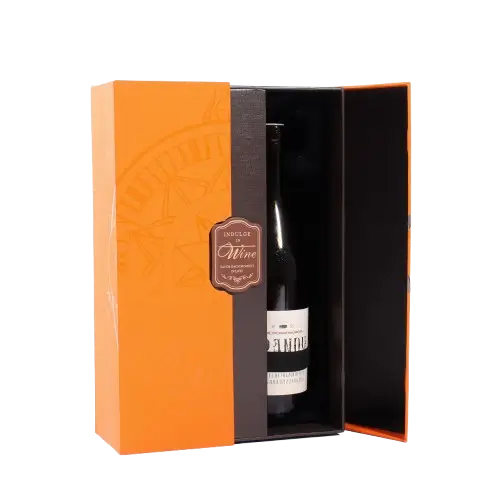
    A traditional rigid wine box is usually delivered in its finished shape. It has a fixed structure and a stronger physical presence from the beginning. This type of wine box is often used for premium wines, spirits, collector bottles, anniversary gifts, and high-value product launches.

    The main advantage is perceived value. A rigid box feels more substantial in the hand. It can support thick inserts, layered compartments, double-door openings, drawer systems, or wine-and-accessory combinations. For brands that sell expensive bottles or limited editions, that tactile weight can support the price position.

    Where Traditional Rigid Boxes Still Perform Well

    A traditional rigid wine box remains suitable when the packaging itself is part of the product experience. If the buyer expects to keep the box, display it, or associate it with long-term brand value, a non-foldable structure can be appropriate.

    However, this format usually occupies more space before use. For large custom orders, the increased volume may affect warehouse planning and freight costs. That does not make it a poor choice. It simply means the structure should match the commercial purpose.

    Key Differences B2B Buyers Should Compare

    Both structures can be premium when produced well. The decision should not be based on appearance alone. A practical comparison should include storage, protection, display, cost, sustainability, and production consistency.

    Storage and Freight Efficiency

    The foldable wine box has a clear advantage in pre-assembly space management. For brands handling international shipments, multi-market campaigns, or large seasonal orders, reduced packing volume can make planning easier.

    Traditional rigid boxes require more room because the structure is already formed. This can be acceptable for smaller premium runs or high-value gifting projects, but it may create pressure in bulk storage.

    For wine bottle packaging, this point is often overlooked. A box that looks excellent in a sample room may become less practical when thousands of pieces need to be moved through export cartons, warehouses, and retail preparation.

    Bottle Protection and Structural Stability

    Wine packaging must control bottle movement. A strong outer box is not enough if the bottle shifts inside. The neck, shoulder, body, and base should remain stable during handling.

    Traditional rigid boxes often provide strong structural support because of their fixed shape. They are suitable for heavier bottles or gift sets with accessories. Foldable formats need more careful engineering. Creases, magnets, lining, and board thickness should work together so the final structure remains stable after assembly.

    A foldable wine box can protect a single bottle effectively when the board, lining, and closure are properly designed. B2B buyers should always confirm the bottle fit through sampling before moving into production.

    Retail Display and Gift Presentation

    A traditional rigid wine box creates a heavier, more ceremonial impression. It is suitable for collector bottles, high-end private gifts, and premium shelf displays.

    A foldable wine box offers a more modern balance. It can look refined while staying easier to store and transport. This is useful for brands that want premium wine packaging without committing to a bulky structure.

    In retail and gifting channels, the key question is not whether the box looks expensive in isolation. The better question is whether the box supports the bottle’s price level, target buyer, and selling scene.

    Cost Control Beyond the Unit Price

    Many packaging mistakes come from comparing only the unit cost of each box. For B2B orders, total cost includes sampling, material, print finish, assembly, freight, warehousing, damage risk, and repeat-order consistency.

    A traditional rigid wine box can be worth the cost for high-margin products. For mid-range gift wines, promotional bottles, and brand campaigns, a foldable structure may offer a better commercial balance.

    This is especially relevant when the wine box needs custom printing, special paper, logo placement, inner lining, and a portable handle. A practical packaging plan should protect the margin as well as the brand image.

    When Should You Choose a Foldable Wine Box?

    Foldable Wine Box vs Traditional Rigid Wine Box Which is Better for Your Wine Bottle?

    For projects that prioritize space efficiency, a collapsible wine box is often a practical option. This product can be used in instances where there is a need for gifting, corporate functions, retail promotions, brand promotion, and even exports.

    It also works well when the brand wants a lighter, cleaner, more contemporary look. With textured paper, magnetic closure, and a well-fitted lining, the final package can still feel polished and controlled.

    Best-Fit Use Cases

    Choose a foldable format when the project has one or more of these needs:

    • Single-bottle gift packaging
    • Retail-ready custom wine packaging
    • Corporate wine gift programs
    • Seasonal promotion packaging
    • International shipping and warehouse efficiency
    • A balance between premium appearance and cost control
    • Custom size, print, color, handle, and lining requirements

    For many B2B buyers, the foldable format is not a downgrade from rigid packaging. It is a different structure built for modern commercial conditions.

    When Is a Traditional Rigid Wine Box the Better Choice?

    A traditional rigid wine box is often better when packaging weight and ceremony are central to the brand message. High-value wines, premium spirits, multi-bottle sets, and collector editions may need a more permanent structure.

    This format can also support complex inserts, thick lining, magnetic doors, or accessory compartments. If the project includes glasses, corkscrews, chocolates, or multiple bottles, a rigid structure may offer more design flexibility.

    Premium Projects That Need More Physical Presence

    Choose traditional rigid packaging when the product needs a strong display effect, a luxury unboxing sequence, or long-term storage value. It is less efficient for freight, but that may be acceptable when the bottle value is high enough to justify the structure.

    For buyers comparing both options, the decision should start with the product position. A low-to-mid price wine may not need a heavy, rigid box. A limited-edition bottle may benefit from it.

    How to Choose the Right Wine Box for Your Bottle

    Before confirming any wine packaging structure, B2B teams should review the project from five angles: bottle format, sales channel, handling risk, brand position, and production plan.

    A Practical Selection Checklist

    Ask these questions before choosing the final wine box:

    • Is the bottle standard, tall, heavy, or unusually shaped?
    • Will the package be used for retail, corporate gifts, e-commerce presentation, or private-label programs?
    • Does the project require lower storage volume before assembly?
    • Will the buyer keep the box after opening?
    • Does the brand need a minimalist, festive, luxury, or eco-conscious style?
    • Does the structure need a handle for carrying?
    • Should the packaging include magnetic closure, lining, foil stamping, embossing, or textured paper?
    • Can the sample confirm bottle fit, closure accuracy, and assembly stability?

    A good custom wine box should not solve only one problem. It should protect the bottle, support the brand image, suit the sales channel, and remain practical during production and delivery.

    A Product Reference for Single Bottle Packaging

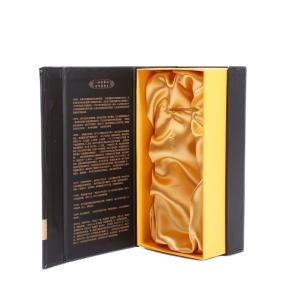
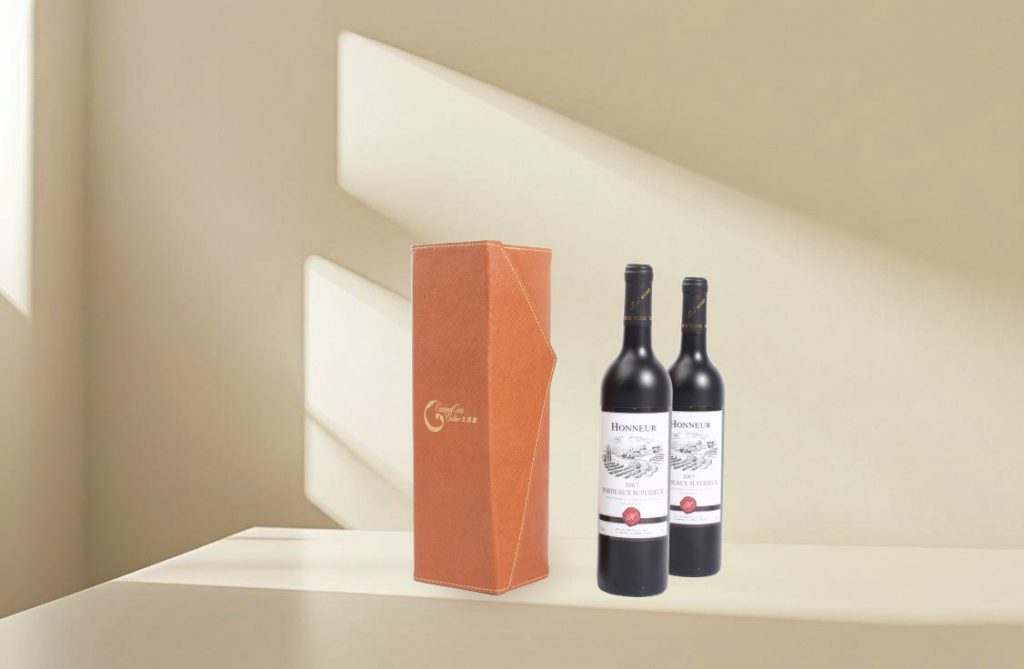
    For brands that need a refined foldable structure, Custom Fashion Foldable Magnetic Wine Boxes for a single bottle offer a useful reference. This single-bottle design uses textured specialty paper, 1200g thickened greyboard, a built-in paper lining, magnetic closure, and a PP handle.The folding capability will allow up to 70% decrease in size.

    The structure is especially relevant for wine retailers, promotional gift projects, corporate gifting, and brand packaging. It gives the bottle a more polished presentation while keeping the package easier to handle before final use.

    TopWinePack is a dedicated wine and spirits packaging brand under Jialan Package. While Jialan Package has broader experience in custom paper packaging production, TopWinePack focuses specifically on wine boxes, wine bags, and customized alcoholic beverage packaging solutions. This brand structure helps wine businesses review more targeted packaging formats while working with a manufacturing team experienced in OEM/ODM custom projects.

    For buyers comparing different structures, the most useful step is not choosing the most expensive box. It is selecting the format that fits the bottle, market, and order plan. The OEM/ODM custom wine packaging service can help define size, material, printing, handle, lining, and surface finish based on the actual project.

    Final Verdict: Which Is Better for Your Wine Bottle?

    Choose a foldable wine box if the project needs efficient storage, easier freight planning, portable presentation, and controlled packaging cost. It is especially practical for single-bottle gifts, retail packaging, corporate programs, and export-oriented orders.

    Choose a traditional rigid wine box if the wine needs a heavier luxury impression, a collectible structure, or a more elaborate gift format. It remains a strong option for premium bottles and complex presentation sets.

    For many wine brands, the best answer is not simply foldable or rigid. The right wine box should match the bottle value, sales channel, brand position, and operational requirements. A well-designed foldable structure can deliver a premium appearance with better commercial efficiency, while a rigid structure can add value when ceremony and permanence matter more.

    If your next project needs a custom structure for retail, gifting, or brand presentation, you can share your bottle size and packaging requirements with TopWinePack to develop a practical wine packaging solution.

    Preguntas frecuentes

    Q: Is a foldable wine box strong enough for a glass wine bottle?
    A: Yes, if the board strength, folding accuracy, lining, and closure are properly developed. The sample should confirm bottle fit, bottom support, and handling stability before production.

    Q: Is a traditional rigid wine box always more premium?
    A: Not always. A rigid box often feels heavier and more ceremonial, but premium quality also depends on material, finish, structure, proportion, and brand fit. A well-made foldable magnetic box can also create a refined gift experience.

    Q: Which wine packaging format is better for B2B custom projects?
    A: A foldable format is often better for space efficiency and cost control, while a traditional rigid format is better for high-end presentation and complex structures. The final choice should depend on bottle value, order scale, channel, and brand positioning.


    Comparte este post:

    Búsqueda

    PUBLICACIONES POPULARES

    Foldable Magnetic Wine Boxes For Single Bottle
    Foldable Wine Box vs Traditional Rigid Wine Box: Which is Better for Your Wine Bottle?
    Custom Wine Packaging Guide 2026 How to Balance Luxury, Protection, and Portability?
    Custom Wine Packaging Guide 2026: How to Balance Luxury, Protection, and Portability?
    La guía completa de vinos en caja personalizados para 2026
    La guía completa de vinos en caja personalizados para 2026
    Caja de regalo de vino de lujo personalizada utilizando estratégicamente pantallas de ventana para mejorar la experiencia minorista
    Caja de regalo de vino de lujo personalizada: el uso estratégico de pantallas de ventana para mejorar la experiencia minorista
    Envasado de vino personalizado: Cinco errores comunes que instantáneamente hacen que su vino premium parezca barato
    Envasado de vino personalizado: cinco errores comunes que instantáneamente hacen que su vino premium parezca barato
    Las tendencias de la caja de regalo de vino de lujo para 2026: Embalaje personalizado de doble botella, acabados de madera falsa y desemboqueo premium
    Las tendencias de la caja de regalo de vino de lujo para 2026: Embalaje personalizado de doble botella, acabados de madera falsa y desencajado premium
    Una guía completa de las tendencias de fabricación de cajas de vino de lujo personalizadas para 2026
    Una guía completa de las tendencias de fabricación de cajas de vino de lujo personalizadas para 2026
    Todo lo que necesita saber sobre la personalización de cajas de vino en China
    Todo lo que necesita saber sobre la personalización de cajas de vino en China
     ¿Cómo personalizar las bolsas de vino de cuero de lujo con el logotipo de la marca de la hoja de oro en relieve?
    Cómo personalizar las bolsas de vino de cuero de lujo con el logotipo de la marca de la hoja de oro en relieve
    La fabricación de cajas de vino personalizadas en 2026: una guía completa para obtener cajas de cartón plegables de una fábrica superior
    La fabricación de cajas de vino personalizadas en 2026: una guía completa para obtener cajas de cartón plegables de una fábrica superior

    ¿Tienes alguna pregunta?