For wine brands, retailers, gift companies, and direct shipping teams, bottle damage in transit can create more than a replacement cost. It can delay delivery, affect customer confidence, and make a premium bottle feel poorly managed. Custom wine shipping boxes should do more than hold the bottle. They should control movement, absorb impact, and support an efficient packing process.
A shipping box does not need to look like a luxury gift box. Its value comes from protection, fit, material strength, and predictable handling. The seven points below help B2B buyers review wine shipping boxes before confirming a custom project.
Why Bottle Damage Happens During Transit
Wine bottles are rigid, heavy, and fragile. During delivery, they may experience vibration, stacking pressure, sideways movement, and repeated handling. Even when the outer carton looks strong, the bottle can still move inside. This can happen if the structure is not designed around the real bottle.
Generic cartons often leave too much empty space. Loose filler can shift during transport, and thin dividers may not support the bottle neck or base. A good wine bottle transport box should reduce movement at the source, not rely only on extra filler after the box has been made.
1. Match the Box to the Actual Bottle
Confirm bottle dimensions before design
The process begins by checking the bottle height, diameter, shoulder shape, base width, and weight. These details matter. After all, a red wine bottle, champagne bottle, brandy bottle, or spirits bottle may need different internal space. Buyers should avoid building a custom wine shipping box around a general “standard bottle” unless the real bottle has been measured.
Keep the bottle centered
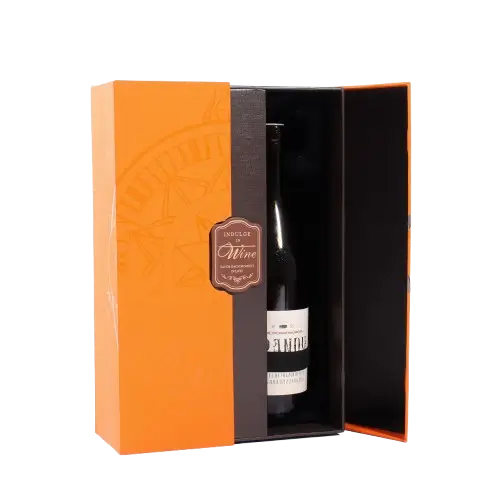
A single bottle wine shipping box should hold the bottle in a controlled position. If the bottle leans, sits too low, or presses against one side, then impact may concentrate on a small area. Centered placement improves both protection and presentation when the receiver opens the package.
2. Use Internal Cushioning, Not Only a Strong Outer Wall
Cushioning absorbs movement
Outer strength matters, but internal cushioning does much of the protective work. The bottle needs support around the body, neck, and base. When the inner structure absorbs shock, the bottle is less likely to hit the outer wall during handling.
Review honeycomb protection
Honeycomb paper cushioning can form a protective buffer around the bottle while reducing reliance on foam or bubble wrap. Buyers should check several important aspects for a honeycomb wine box. They must see whether the cushion expands properly. In addition, it needs to fit the bottle shape. The cushion must stay in position after the bottle is inserted. This approach supports effective wine bottle transport box performance and helps reduce bottle damage in transit.
3. Choose Corrugated Material for Shipping Stability
Corrugated cardboard balances protection and weight
Corrugated wine boxes are widely used for shipping because they offer a practical balance of strength, weight, and assembly efficiency. The material can support handling better than a thin paper box while keeping the package lighter than many rigid gift structures.
Match material to the route
Not every route needs the same box structure. Local delivery, sample dispatch, direct wine orders, and cross-border shipping may involve different handling conditions. Buyers should review the shipping distance, bottle weight, carton arrangement, and final delivery method before choosing custom corrugated wine boxes.
4. Reduce Empty Space Inside the Box
Empty space increases risk
Empty space allows the bottle to move slightly. This movement can produce pressure at the shoulder, neck, or base. In wine bottle packaging, the goal is not to make the box tight in every direction. The goal is to hold the bottle firmly while leaving enough cushioning space to absorb impact.
Test the fit with the real bottle
A sample should be tested with the actual bottle. The buyer inserts the bottle. Then the buyer closes the box. Next the buyer lifts it and tilts it. After that the buyer opens it again. If the bottle shifts or the cushion collapses, the structure should be adjusted before production.
5. Improve Packing Efficiency with Flat-Pack Design
Flat-pack boxes help storage
Flat-pack shipping can help buyers manage storage before assembly. This is helpful for custom projects where many boxes are prepared for seasonal orders, sample shipments, or direct delivery programs. It can reduce space pressure before packing begins without changing the protective goal of the box.
Simple assembly reduces packing mistakes
A protective box should also be easy to assemble. If the folding process is unclear, packing staff may skip a step or fold the cushion incorrectly. Easy assembly supports more consistent packing, especially when several people handle the same project.
6. Check Recyclable Materials Carefully
Sustainability should not weaken protection
Recyclable wine packaging can support brand responsibility, but protection must remain the first requirement. Buyers should confirm whether the material, fold lines, cushion strength, and closing method still perform well with the selected bottle.
Avoid unnecessary over-packing
A better structure can reduce the need for excessive loose filler. This does not mean every extra material can be removed. It means the box should be designed so each part has a clear function: outer support, inner cushioning, bottle control, and safe closure.
7. Review the Sample Under Real Handling Conditions
Simulate normal handling
Before approving custom wine shipping boxes, buyers should test the sample as a finished package. Place the bottle inside, close the box, lift it, place it with other cartons, and check the bottle position again. This review can reveal weak corners, loose cushioning, or unclear assembly steps.
Check printing and box markings
Shipping packaging still affects brand presentation. Logo position, box direction, label area, and printing clarity should be reviewed during sampling. A wine shipping box does not need heavy decoration, but it should still look organized and professional.
Product Match: Custom Corrugated Cardboard Wine Boxes for Single Bottles
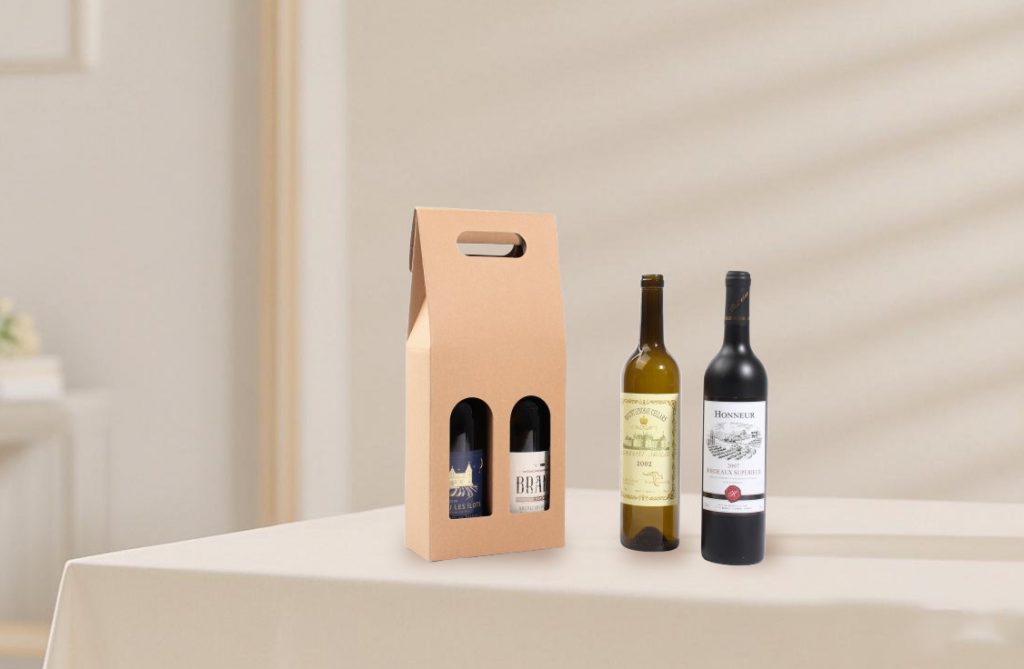
For single-bottle shipping projects, High Quality Custom Corrugated Cardboard Wine Boxes for Single Bottles is a practical product reference. The box uses corrugated cardboard and a built-in honeycomb paper cushioning layer. It is designed for glass wine bottles and supports custom size, color, printing, and logo options.
This format works well when buyers need a lightweight wine bottle transport box that can protect one bottle, assemble efficiently, and reduce the use of foam or bubble wrap. The flat-pack structure can also help storage before packing. It is suitable for wine samples, brand direct shipping, single-bottle gift delivery, and selected spirits or brandy bottle transport when the real bottle size is confirmed.
What Buyers Should Prepare Before Quotation
A clear project brief helps the packaging team review the right structure. Before requesting a custom design, buyers should prepare bottle height, diameter, weight, bottle type, shipping route, expected box quantity, logo file, color reference, packing method, and delivery timeline.
TopWinePack’s Proceso de desarrollo de cajas de vino personalizadas covers consultation, design confirmation, proofing, printing, lamination, box forming, handmade assembly, and quality inspection. For shipping boxes, the sample stage is especially important because the real bottle fit and cushion behavior must be checked before production.
Why Work with TopWinePack for Custom Wine Shipping Boxes
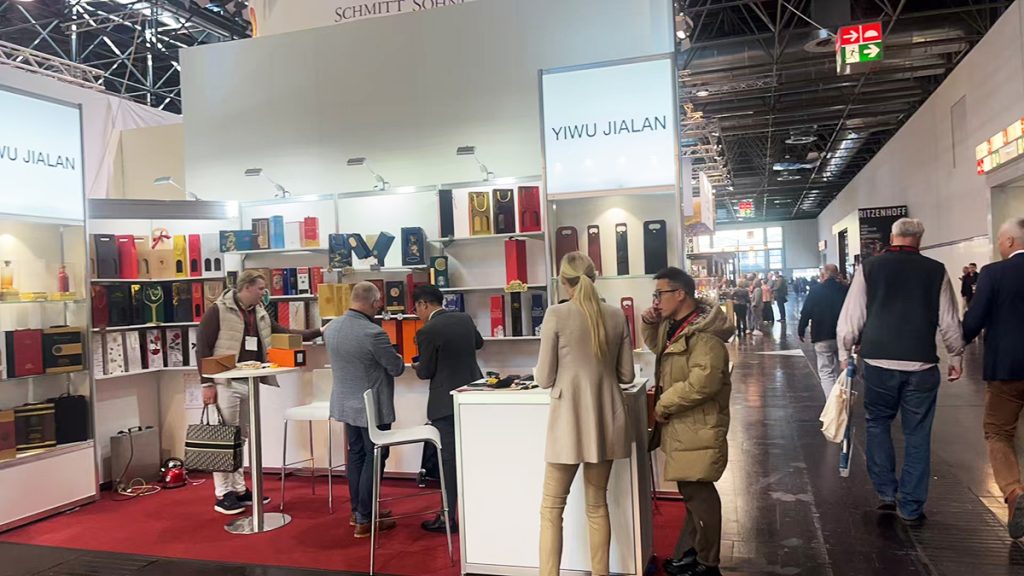
TopWinePack is the wine packaging brand of Jialan Package, focused on custom wine boxes and wine gift packaging for wine and spirits-related projects. For shipping box projects, the main value is not only visual design. Buyers also need structure review, material selection, logo placement, sample checks, and practical packing advice.
We can review bottle size, shipping use, material direction, and custom branding needs before sampling. This helps the box serve both protection and brand presentation without turning shipping packaging into unnecessary decoration.
Conclusión
Custom wine shipping boxes can help reduce bottle damage in transit by controlling bottle movement, adding internal cushioning, and supporting practical sample checks. The design adds internal cushioning to absorb shocks during transport. These boxes use corrugated material that supplies reliable strength. They reduce empty space to keep bottles firmly in position. The boxes support flat-pack storage for improved efficiency before use. Checking recyclable material performance remains an important step. Reviewing samples under real handling conditions confirms that the packaging meets practical requirements in actual situations.
For B2B buyers, a more reliable selection process begins with the bottle and the shipping route. They should examine these details first. After that, attention turns to the structure, the material, the printing, and the assembly. This order supports better decisions overall. To prepare a safer single-bottle wine shipping project, send your bottle size, bottle weight, shipping route, logo file, and packaging requirements to TopWinePack so the team can complete a review of the structure and material.
Preguntas frecuentes
Q: How do custom wine shipping boxes reduce bottle damage in transit?
A: They reduce movement by matching the box to the bottle, adding internal cushioning, using corrugated material, and checking the sample with the actual bottle before production.
Q: Are corrugated wine boxes suitable for single bottle shipping?
A: Yes. Corrugated wine boxes can suit single bottle shipping when the box size, inner cushion, closure, and material strength are tested with the real bottle.
Q: Can wine shipping boxes be customized with logo and brand colors?
A: Yes. Buyers can customize size, color, printing, and logo details. Protection and bottle fit should be confirmed before finalizing decoration.