Alcohol packaging will hit a clear turning point by 2026. A simple box that just protects glass no longer cuts it. In today’s crowded retail space, external packaging acts as the primary storyteller for a brand. It sets the baseline expectation before anyone even pulls the cork. Corporate buyers and retail shoppers now look for a tangible emotional connection. They demand structural reliability, certainly. But they also expect highly sophisticated aesthetics. At the same time, environmental accountability has crossed the line from an optional marketing angle to a strict, non-negotiable prerequisite for international distribution.
Navigating these shifting market realities requires a manufacturing partner capable of turning creative ambition into industrial fact. Jialan Package understands this operational challenge firsthand. We have spent more than 11 years engineering professional wine packaging solutions. To specifically address the rigorous demands of the 2026 fiscal year, we established our dedicated TopWinePack brand. Our core objective remains completely straightforward. We align premium brand positioning with secure, efficient manufacturing output.
Global Aesthetic and Design Trends for 2026
Geographic and cultural identities will heavily dictate the aesthetic direction of packaging in the coming years. A standardized, one-size-fits-all global design approach is no longer commercially viable. Custom luxury wine box manufacturing trends 2026 point toward distinct regional preferences.
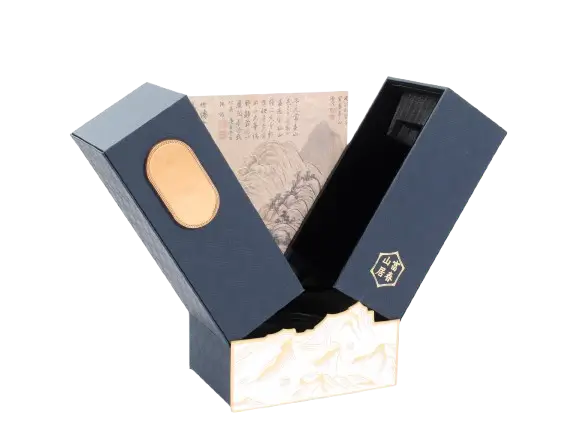
Take the European market. Buyers in this region gravitate toward a style defined by artistic restraint. Industry insiders often term this “Modern Elegance.” Color palettes rely strictly on “Urban High-End” shades. Think soot blue, coal gray, and dark camel. Natural earth tones usually ground these primary colors. Structural designs here heavily favor negative space. They utilize subtle textural elements—such as matte finishes or partial embossing—to deliver tactile engagement without generating visual clutter.
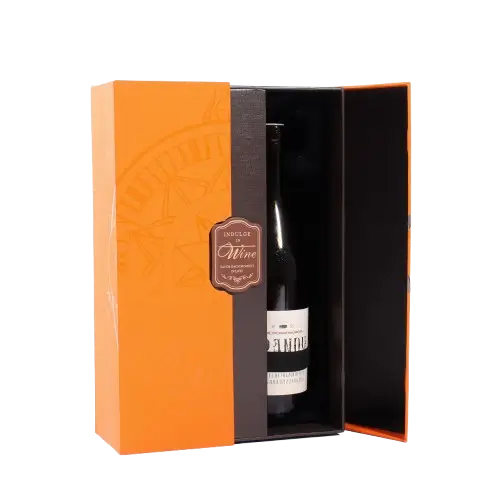
North America operates on a completely different set of consumer expectations. Demand centers heavily on visual dynamism alongside functional versatility. Effective high-end wine box design 2026 frequently pairs energetic festival colors against stark graphite or pure white backgrounds. Mustard yellow with live orange accents works incredibly well here. Secondary utility drives purchasing decisions. Buyers show a marked preference for reusable structures, particularly magnetic clasp gift boxes.
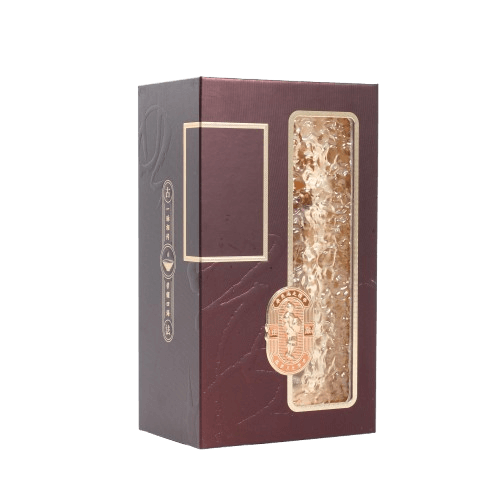
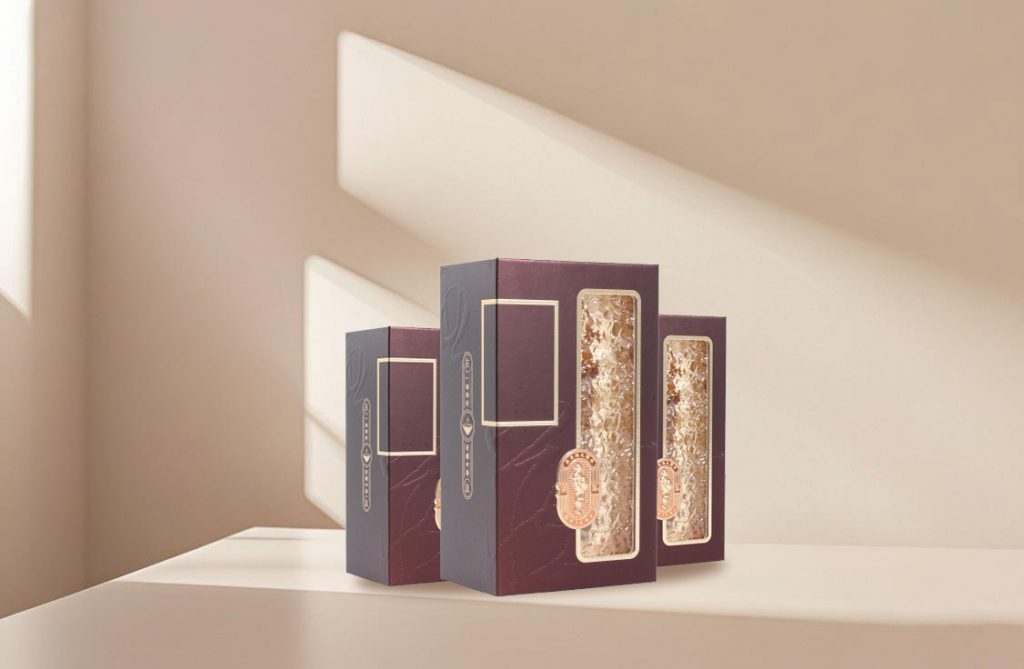
The Middle Eastern sector maintains a strict focus on absolute luxury and geometric precision. Royal color schemes dominate. Deep burgundy, classic black, and sapphire blue function as canvases for heavy gold foil stamping and complex, symmetrical patterns. Unboxing is treated not just as a physical action, but as a highly refined ritual.
Selecting an OEM/ODM Partner: Criteria for Industrial Excellence
Understanding regional aesthetics is only half the equation. The true challenge for brand owners lies in executing these complex, culturally specific designs at an industrial scale without compromising structural integrity or inflating budgets. Translating an artistic concept into a mass-produced, market-ready asset requires more than just a printer; it demands an elite manufacturing infrastructure.
Identifying a capable manufacturing partner is the foundational step in executing a successful packaging strategy. For brand owners aiming to lead the 2026 market, assessing a facility’s technical infrastructure and output stability is more critical than simply comparing quotes. A reliable partner should possess significant operational scale.Complete infrastructural facility ensures that your brand can transition seamlessly from small-scale seasonal releases to massive global distribution without facing bottlenecks.
Workforce expertise and production volume also serve as vital indicators of reliability. A specialized workforce provides the necessary buffer for unexpected market spikes. When evaluating potential collaborators, we recommend prioritizing those who offer vertically integrated services. Managing every phase—from initial structural design to final export logistics—within a single facility eliminates the communication gaps and quality variances common in outsourced models. This integration is essential for maintaining the “Three Consistencies”: absolute color fidelity across batches, uniform hardware tension, and precise dimensional accuracy.
Structural Strategy: Engineering for Versatility and Protection

Technical Material Specifications
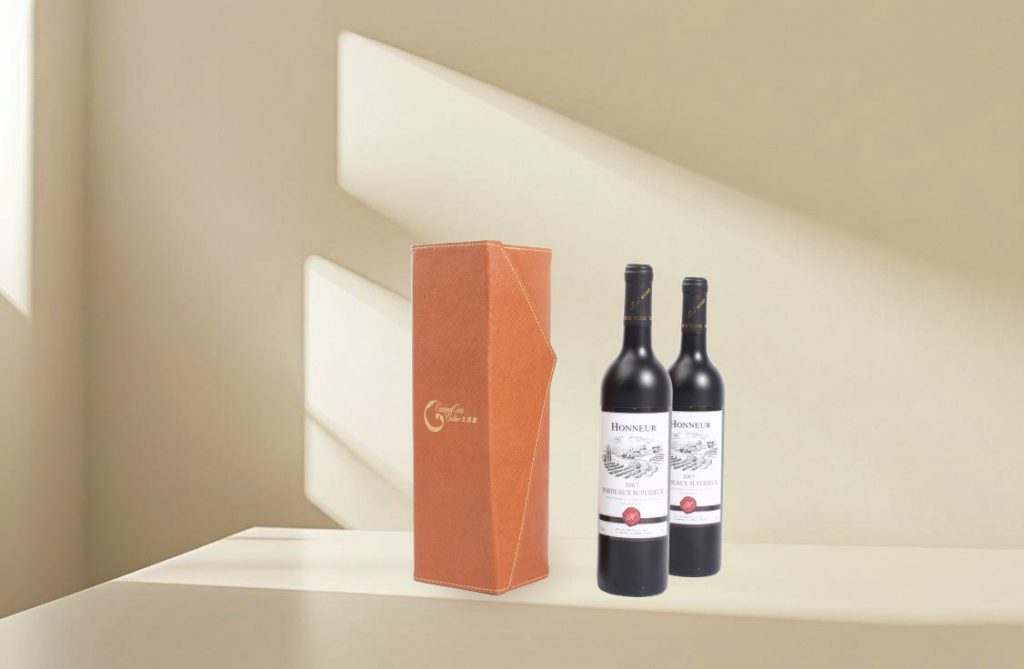
For a luxury red wine gift box to command authority, the choice of substrate is paramount. We advise utilizing virgin grey board within the 1200gsm to 2000gsm range. This high-density core provides the rigid “hand-feel” expected in the premium segment. Beyond aesthetics, this material serves a critical safety function. Industrial standards dictate that the enclosure’s load-bearing capacity must be at least double the actual weight of the liquid payload. This structural insurance protects against base failure during rapid handling in the supply chain.
Optimized Internal Security
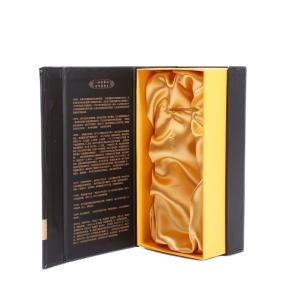
Internal engineering is where many packaging projects fail. The interior must be designed to immobilize the glass at four distinct contact points. Utilizing high-density EVA foam or custom-molded, velvet-lined inserts prevents lateral movement and neck stress. For 2026, we see a growing trend toward “Hybrid Interiors,” where sustainable paper molds are combined with luxury tactile coatings to meet both environmental mandates and high-end aesthetic expectations.
Quality Control Standards Before Mass Production
Quality in luxury wine packaging should be treated as a measurable production requirement rather than a subjective impression. Before approving mass production, procurement teams should confirm that the selected structure, finish, and compliance setup can withstand real supply-chain conditions and preserve product presentation all the way to the end customer.
Mechanical Protection Tests
Before launch, the box should pass the two most important physical stress checks. First, it should survive a 1.2-meter drop from six different angles so the internal support system can prove it absorbs impact before shock reaches the bottle. Second, it should withstand at least 40kg of top-load pressure for 24 hours to simulate stacking inside a fully loaded shipping container without buckling.
Finish Inspection and Compliance Readiness
Surface treatments such as hot foil stamping, embossing, and spot UV should also be checked carefully for edge bleed, flaking, or other visible defects, since tolerance for finish flaws is effectively zero in the luxury segment. Beyond appearance, global compliance matters just as much for cross-border trade. Manufacturers should be able to support responsible sourcing and social accountability through active FSC®, BSCI, and ISO 9001 credentials, while EUDR traceability is now essential for brands entering the European market.
Prototype to Shipment: A Practical Timeline
A custom wine packaging program works best when each production stage is matched to the product launch schedule. A phased process reduces risk, keeps the brand vision aligned with the manufactured result, and gives buyers clear checkpoints before the project moves forward.
Step 1: Consultation and Prototype Validation
The project should begin with a detailed technical consultation covering dimensions, structure, and finish requirements. Physical prototyping usually takes 3 to 7 working days, and this stage should be used for real bottle fit tests to confirm that the inner tray holds the product precisely and securely.
Step 2: Mass Production and In-Process Quality Control
After sample approval, mass production generally takes 15 to 30 days, including automated printing, lamination, and the manual assembly required for premium details. During this stage, the quality control team should conduct random inspections at the 20%, 50%, and 100% completion points to keep batch consistency under control.
Step 3: Protective Packing for International Delivery
Once production is complete, freight protection becomes the final priority. Because international shipping exposes luxury packaging to humidity, compression, and rough handling, master cartons should be reinforced with heavy-duty corner protectors and the boxes themselves should be secured with internal waterproof barrier bags to preserve appearance during transit.
For brands preparing for a strong 2026 launch, the manufacturing partner remains the deciding factor. TopWinePack combines production infrastructure with technical execution to help turn premium packaging concepts into reliable, market-ready results.We invite you to contact us to discuss how our infrastructure and technical expertise can be deployed to elevate your upcoming brand projects.
FAQ
Q: What is the baseline minimum order quantity for custom luxury projects?
A: Our standard production minimum begins at 500 units. This allows for the cost-effective application of advanced printing and finishing techniques while supporting brands during various stages of market entry.
Q: How can we ensure the colors of our mass-produced boxes match our brand identity exactly?
A: Utilize strict Pantone color matching and mandatory first-article approval protocols. By performing mid-batch random inspections, we guarantee that the final units maintain absolute color fidelity to the original design specs.
Q: Are there eco-friendly options that still provide a luxury tactile experience?
A: Yes. Offer a variety of sustainable solutions including FSC-certified substrates, recyclable specialty papers, and environmentally safe adhesives. These materials can be paired with sophisticated textures to meet both luxury and environmental standards.