Luxury Wine Gift Box Trends for 2026: Custom Double-Bottle Packaging, Faux Wood Finishes, and Premium Unboxing

Luxury Wine Gift Box Trends for 2026: Custom Double-Bottle Packaging, Faux Wood Finishes, and Premium Unboxing

Table of Contents

    Luxury Wine Gift Box Trends for 2026 :Custom Double-Bottle Packaging, Faux Wood Finishes, and Premium Unboxing

    img.Luxury Wine Gift Box Trends for 2026: Custom Double-Bottle Packaging, Faux Wood Finishes, and Premium Unboxing.webp

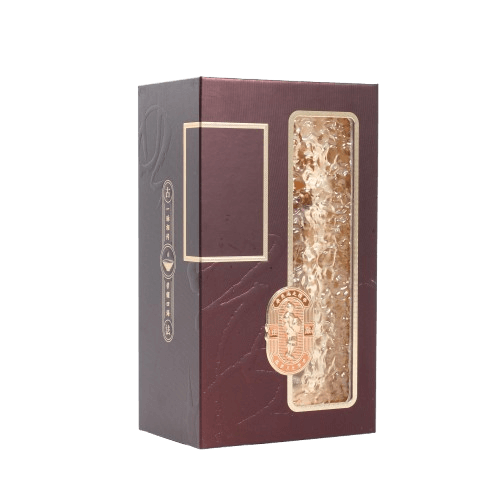
    Luxury wine packaging in 2026 is moving beyond decorative presentation. For B2B buyers, the most effective luxury wine box now combines tactile materials, reusable structure, secure double-bottle protection, and a premium unboxing sequence that supports brand value from the first touch. A box is no longer only a container. It has become part of product positioning, gifting strategy, and visual identity.

    That shift is especially clear in premium wine gifting, corporate allocations, festive programs, winery member releases, and branded retail sets. In these use cases, a custom wine box needs to do three jobs at once: protect the bottles, raise perceived value, and present the brand in a more deliberate way. The strongest OEM/ODM wine box projects are built around that balance rather than surface decoration alone.

    What buyers now expect from a Luxury Wine Box

    Packaging decisions have become more disciplined. Buyers are paying closer attention to material language, structural stability, and reuse potential because these factors influence both presentation quality and project efficiency. A luxury wine box now needs to feel premium in the hand, hold its form during transport, and retain value after the first use.

    Texture and restraint now matter more than visual excess

    Many high-end wine brands are moving away from overloaded packaging graphics and toward surfaces that look quieter but feel richer. Faux wood finishes, leather-textured wraps, flocked interiors, embossing, foil details, and controlled color contrast can create a stronger premium effect than dense printing. This direction works well because it supports brand maturity rather than visual noise.

    For a wine box manufacturer, that means material selection is no longer a finishing decision made at the end of the process. It is part of the core design logic. Faux wood finishes are especially effective because they reference craftsmanship and tradition without forcing the structure into a conventional wooden box format. In a Custom wine box, that gives brand teams more freedom to combine a classic visual impression with a lighter, more adaptable packaging format.

    Unboxing is now part of the brand message

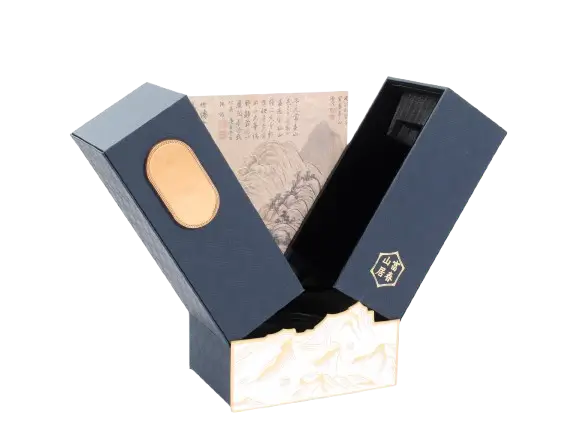
    Premium wine gifting is judged in seconds. The manner in which a box unfolds holds significance. The presentation of the bottles contributes as well. Moreover, the sequence of visible elements that emerge plays a key part. Together, these factors influence how quality is viewed. In B2B projects, such details carry weight. This occurs because the unboxing process affects client gifting. It also impacts event presentation. Additionally, it shapes limited-edition positioning.

    A strong unboxing experience is not built only by adding ornaments. It starts with proportion, insert layout, opening structure, and tactile contrast. When these elements are controlled well, a luxury wine box feels intentional. When they are not, even expensive materials can lose impact.

    Why double-bottle packaging fits premium B2B programs

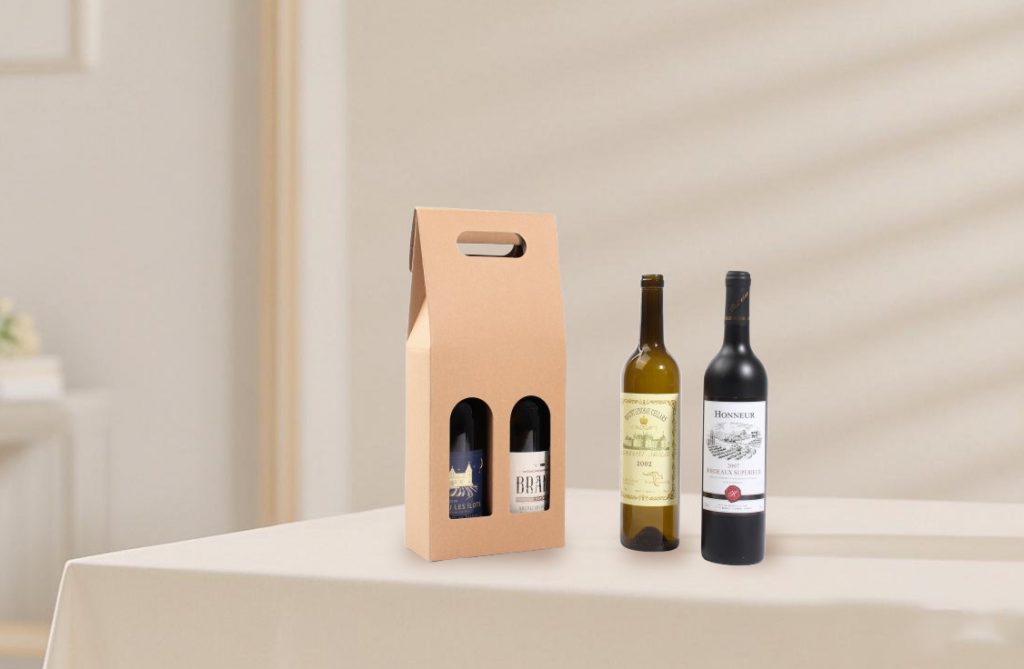
    The rise of double-bottle formats is not simply a matter of carrying capacity. Two-bottle presentation creates a more complete gift proposition and gives brands more room to shape perceived value. For wineries, importers, and corporate gifting teams, it also supports better pairing logic, stronger visual symmetry, and more refined event presentation.

    That is why the custom double bottle wine box continues to gain relevance across premium programs. It creates space for both product story and functional structure.

    Two bottles create stronger perceived value

    A single bottle can work well for retail or compact gifting, but a two-bottle format usually carries more weight in premium presentation. It allows brands to present a pair by varietal, vintage, region, or occasion. It also fits business gifting programs that need a stronger sense of ceremony without moving into an oversized presentation.

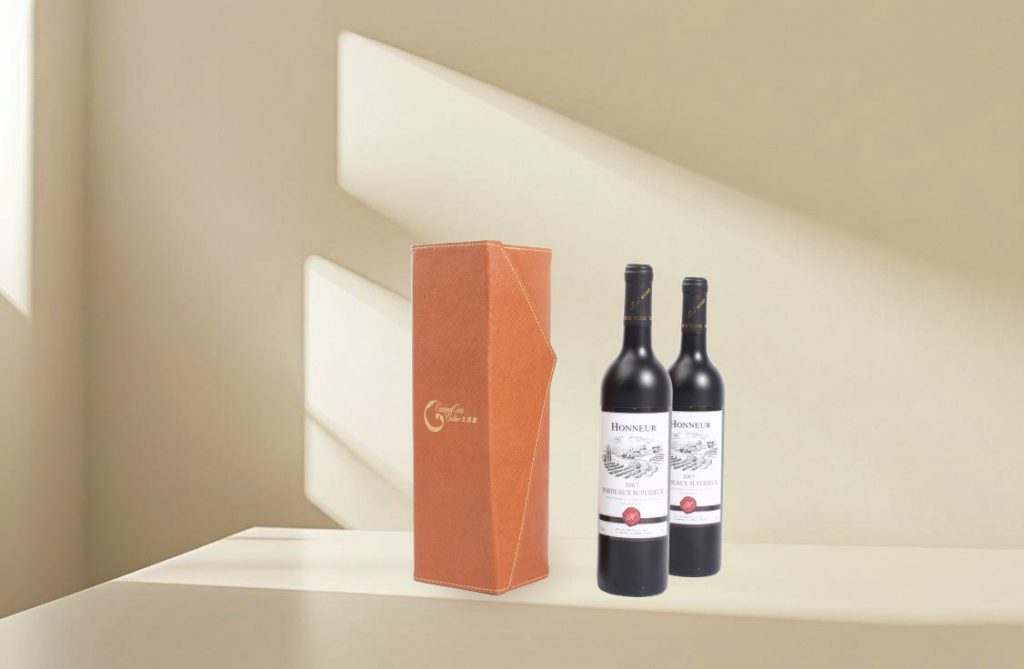
    The Custom-made Faux Wood & Leather Double Wine Bottle Gift Box is a good example of that direction. Its faux wood finish, leather detailing, and double-bottle layout reflect the exact combination many B2B buyers now seek in a custom wine box: heritage cues, tactile value, and a format that feels substantial without becoming visually heavy.

    Protection and layout are just as important as appearance

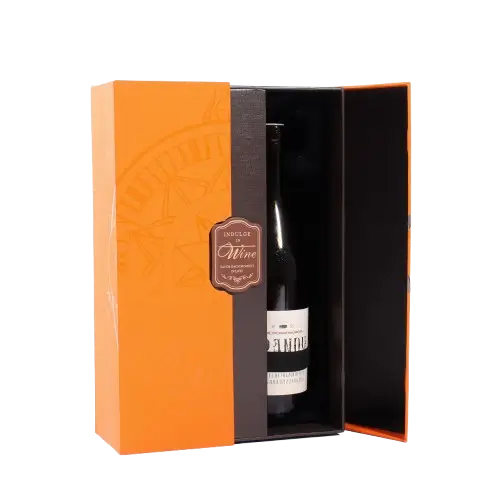
    A double-bottle box must work harder than a single-bottle structure. Weight distribution changes, bottle movement becomes a greater risk, and the insert must hold both units with precision. For that reason, structure should lead the conversation. The insert layout, the internal spacing, the opening angle, and the base strength all matter more than decorative extras.

    In an OEM/ODM wine box program, this is where project quality is often decided. If the insert is loose, the bottles shift. If the base lacks strength, the presentation loses confidence. If the opening sequence feels awkward, the premium effect weakens. A well-developed double-bottle format solves all three issues at once.

    Why faux wood finishes and leather details work so well


    Custom luxury wine box

    Faux wood finishes are gaining more attention because they bridge two goals that many brands used to treat separately: a traditional premium look and practical design flexibility. In a luxury wine box, faux wood can reference cellar culture, barrel craft, or heritage value while remaining easier to adapt to a broader range of shapes and finishing methods.

    That is one reason this finish has become more relevant in custom wine box development for premium wine and spirits projects.

    Faux wood adds warmth without losing design control

    Real wood has a clear premium association, but it is not always the best answer for every B2B project. Faux wood surfaces can deliver a similar emotional signal while allowing a cleaner balance between appearance, weight, finish consistency, and structural freedom. This matters in projects that need elegant presentation but also need better control over production and transport.

    Leather details strengthen that effect. They add softness, contrast, and a more composed visual rhythm. When faux wood and leather are combined in one Custom wine box, the result often feels more mature than a plain rigid board structure and more versatile than a traditional wood case.

    Material contrast helps the box feel more complete

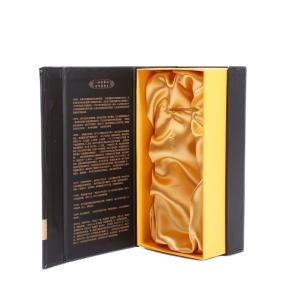
    Premium packaging usually performs best when it gives the hand more than one surface experience. A box that combines a wood-inspired outer finish, a softer internal lining, and refined closure details can communicate quality more clearly than one that relies on print alone. In practical terms, material contrast helps a luxury wine box feel designed rather than merely assembled.

    For B2B buyers, that matters because tactile contrast supports the parts of packaging value that are hardest to explain in a specification sheet. It helps a client gift feel more considered. It helps a launch package feel more memorable. It helps a brand move from generic gift packaging to a more distinctive OEM/ODM wine box program.

    What B2B buyers should check before approving an OEM/ODM wine box

    Trend direction is useful, but approval decisions should still be grounded in function. Before a project moves forward, buyers should examine structure, insert precision, transport behavior, and finish consistency. These points affect both perceived value and project reliability.

    A wine box manufacturer should be able to develop the visual concept and the structural solution together. When those two processes are disconnected, the result often looks good in a rendering but performs weakly in real use.

    Insert precision, rigidity, and carrying confidence

    Bottle packaging should not be judged only by exterior appearance. The box must hold the bottles securely, maintain alignment when lifted, and keep the presentation stable through handling. This is particularly important in double-bottle programs, where movement becomes more obvious and more damaging.

    We see the strongest custom wine box projects begin with the right structure for the use case. Corporate gifting programs often need a more ceremonial opening sequence. Retail display projects may prioritize visual impact and stacking logic. Export-oriented presentation usually demands a strong rigid build and efficient insert control. The correct structure depends on the actual business purpose, not a generic luxury style.

    Customization should go beyond logo printing

    A serious OEM/ODM wine box project is not defined by logo placement alone. Real customization usually involves dimensions, box shape, material choice, finish treatment, insert configuration, color system, and hardware or accessory planning. That broader approach is what makes a Custom wine box useful for brand development rather than interchangeable with standard packaging.

    This is also where project teams should look closely at the wine box manufacturer. Sampling speed, structural refinement, finishing control, and the ability to convert a design direction into repeatable production are all more important than superficial statements. For B2B buyers, these features usually decide if the final wine box can back ongoing packaging efforts. Or, they show if it just stays a brief visual concept.

    Bringing the 2026 direction into practice

    The most effective premium packaging in 2026 is disciplined rather than excessive. It uses texture with purpose, structure with precision, and presentation that supports commercial value. A luxury wine box performs best when it protects the bottles, elevates the gift, and stays consistent with the brand’s market position.

    That is the approach we apply through TopWinePack, the wine packaging channel of Jialan Package. We focus on custom development rather than standard resale, which is why our work centers on OEM/ODM wine box projects for wine brands, gifting programs, and premium packaging applications. In that context, faux wood finishes, leather details, and double-bottle structures are not passing design elements. They are practical tools for building a more refined Custom wine box with stronger presentation value.

    For brands planning a seasonal release, a corporate gift program, or a more premium two-bottle concept, the right next step is not to add more decoration. It is to define the structure, tactile direction, insert layout, and visual hierarchy first. When those decisions are made well, the box carries the wine more effectively and represents the brand more clearly. If that is the stage your project has reached, contact us.

    FAQ

    Q: Why is double-bottle packaging becoming more important in premium wine programs?
    A: It gives brands more room to build perceived value, present a curated pair, and create a stronger gifting experience. It also supports a more balanced visual presentation than many single-bottle formats.

    Q: Is faux wood a practical choice for a luxury wine box?
    A: Yes. Faux wood finishes can create a strong premium impression while allowing more design flexibility and a more controlled combination of structure, texture, and visual consistency.

    Q: What should B2B buyers prioritize in an OEM/ODM wine box project?
    A: The key points are structural fit, insert precision, finish consistency, and true customization depth. A box should protect the bottles, align with the brand image, and remain reliable across production.


    Share This Post :

    SEARCH

    POPULAR POSTS

    Foldable Magnetic Wine Boxes For Single Bottle
    Foldable Wine Box vs Traditional Rigid Wine Box: Which is Better for Your Wine Bottle?
    Custom Wine Packaging Guide 2026 How to Balance Luxury, Protection, and Portability?
    Custom Wine Packaging Guide 2026: How to Balance Luxury, Protection, and Portability?
    The Complete Guide to Boxed Wines Custom for 2026
    The Complete Guide to Boxed Wines Custom for 2026
    Luxury Wine Gift Box Custom Strategically Using Window Displays to Enhance the Retail Experience
    Luxury Wine Gift Box Custom: Strategically Using Window Displays to Enhance the Retail Experience
    Custom Wine Packaging: Five Common Mistakes That Instantly Make Your Premium Wine Look Cheap
    Custom Wine Packaging: Five Common Mistakes That Instantly Make Your Premium Wine Look Cheap
    Luxury Wine Gift Box Trends for 2026 :Custom Double-Bottle Packaging, Faux Wood Finishes, and Premium Unboxing
    Luxury Wine Gift Box Trends for 2026: Custom Double-Bottle Packaging, Faux Wood Finishes, and Premium Unboxing
    A Comprehensive Guide to Custom Luxury Wine Box Manufacturing Trends for 2026
    A Comprehensive Guide to Custom Luxury Wine Box Manufacturing Trends for 2026
    Everything You Need to Know About Customizing Wine Boxes in China
    Everything You Need to Know About Customizing Wine Boxes in China
    How to Customize Luxury Leather Wine Bags with Gold Foil Brand Logo Embossing?
    How to Customize Luxury Leather Wine Bags with Gold Foil Brand Logo Embossing
    Custom Wine Box Manufacturing in 2026: A Comprehensive Guide to Sourcing Foldable Cardboard Boxes from a Top Factory
    Custom Wine Box Manufacturing in 2026: A Comprehensive Guide to Sourcing Foldable Cardboard Boxes from a Top Factory

    Have Any Queries?