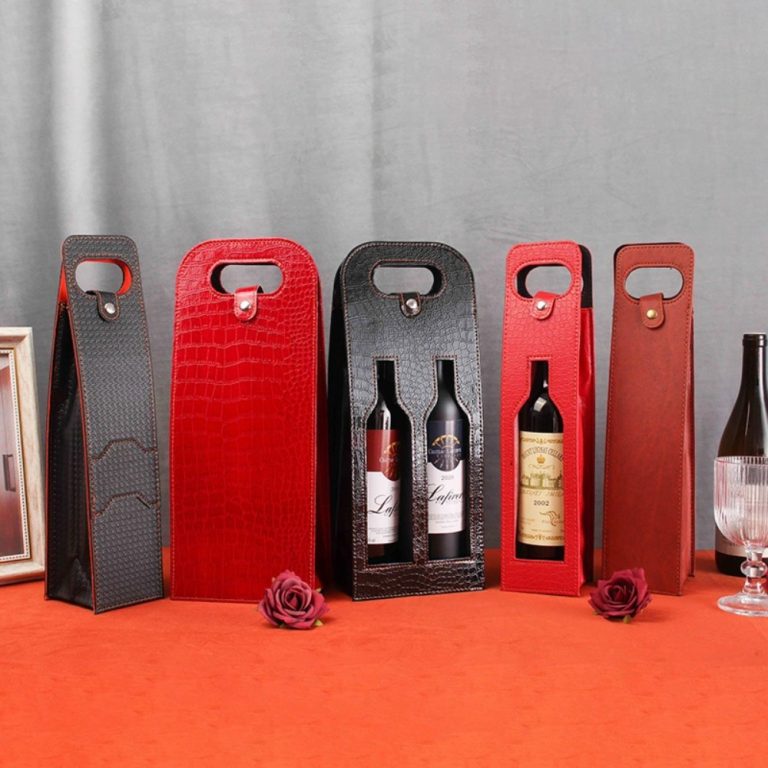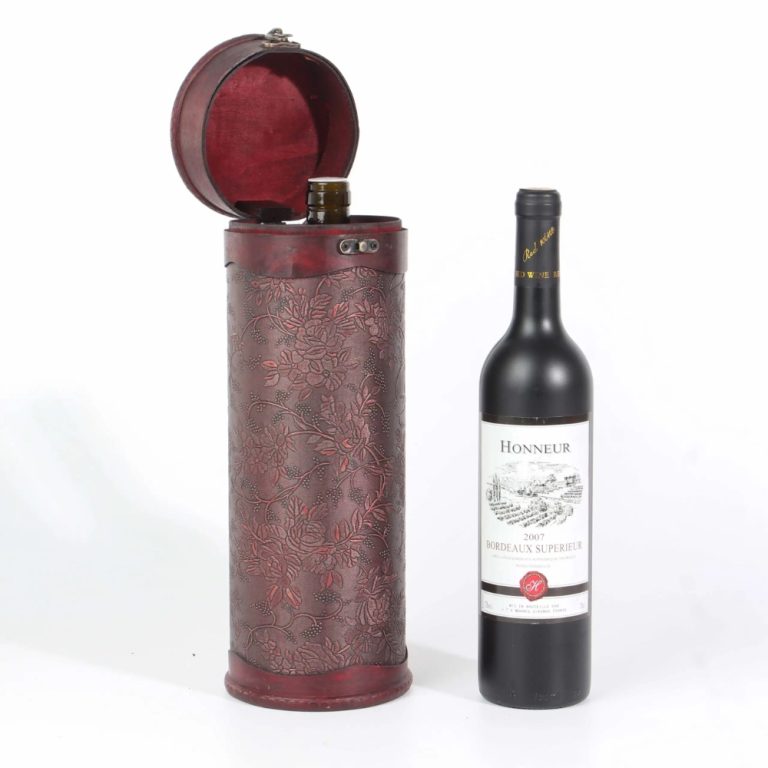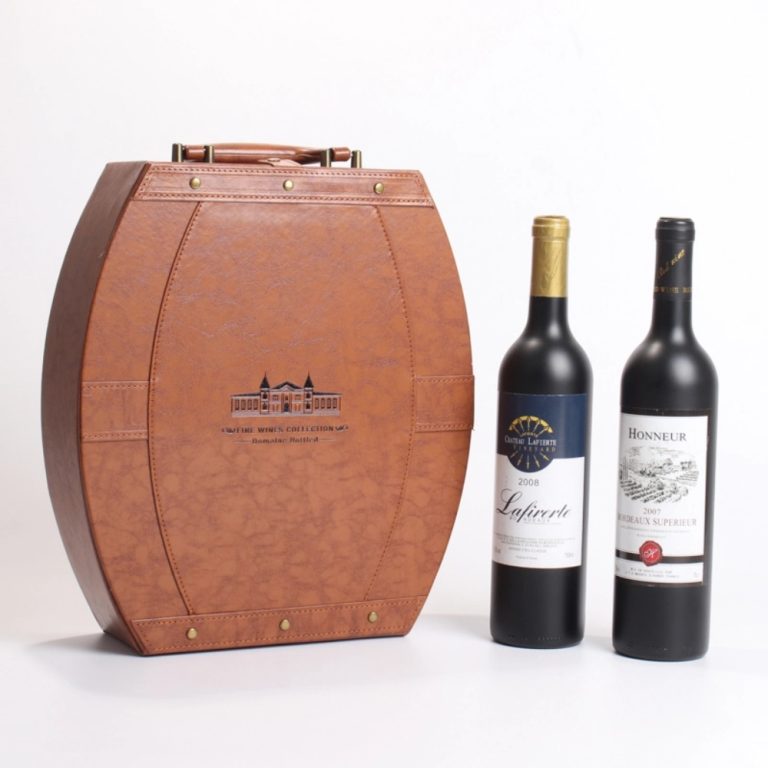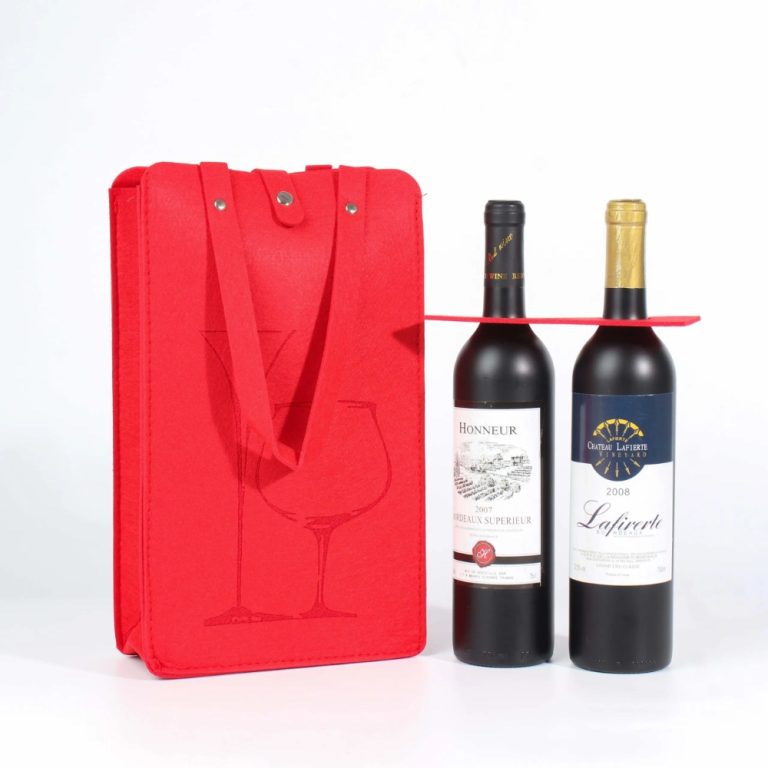

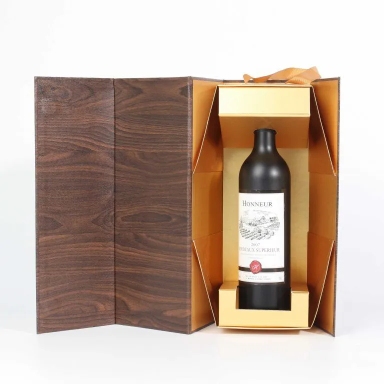
Shipping wine can seem tough. You hope your bottles get there without breaks, no matter if it’s a present or business stock. That’s why picking the right wine box helps a lot. This guide shows you how to ship wine safely, from spotting dangers to finding boxes that guard your stuff. We’ll talk about stuff used, shapes, and simple advice to pick easier. When you’re done, you’ll handle shipments with ease, making your brand look better too.
Why Safe Wine Shipping Matters
Picture this. Wine breaks easy. A little hit or move can wreck a nice bottle. For folks who collect, sell, or just send sometimes, safe shipping keeps people pleased and stops pricey fixes. It also grows trust. When wine shows up fine, they recall your effort. This goes beyond boxes—it’s about proving you care for top quality all the way.
In today’s world with lots of online buys, doing better means nailing small things. Safe shipping makes a plain drop-off into something good. It lets your own or work brand stand out by showing you’re smart and pro.
The Impact on Your Brand
Safe wrapping does extra than just shield. It shares a tale. A solid box with a clean look tells you tried hard. Folks spot that. For shops, it brings back buyers and nice words. For you alone, it turns gifts special. Miss this? You chance gripes or lost faith. But nail it, and you raise how others view you.
Common Risks in Wine Shipping
Wine meets many threats on trips. Warm air can wreck tastes. Cold air might split glass. Bumpy rides cause cracks. Spotting these lets you grab a box that fights them.
Bottles move around in travel. Without good soft spots, they bang and break. Tags rip. Tops fly off. These problems show up plenty if you skip prep.
Temperature Changes and Their Effects
Weather counts big. Hot rides boil wine, making it bad. Freezing spots grow the liquid, shoving tops or busting seals. Send in heat? Mind the warmth. Cold paths want warm layers. The right box aids this, with parts that ease big temp jumps.
Handling and Impact Dangers
Delivery folks throw stuff. That’s real. Falls, piles, and shakes build up. A weak box folds under stress. But a tough one takes hits. Think of spots that hold each bottle. They keep all still, despite jolts.
Key Features for Safe Wine Boxes
What turns a wine box safe? It’s more than just how big. Check build, stuff, and add-ons. These parts team up to cover your wine.
Begin with toughness. A fine box takes weight and shifts. Then put soft parts within. Foam or holders wrap bottles, halting moves.
Materials That Make a Difference
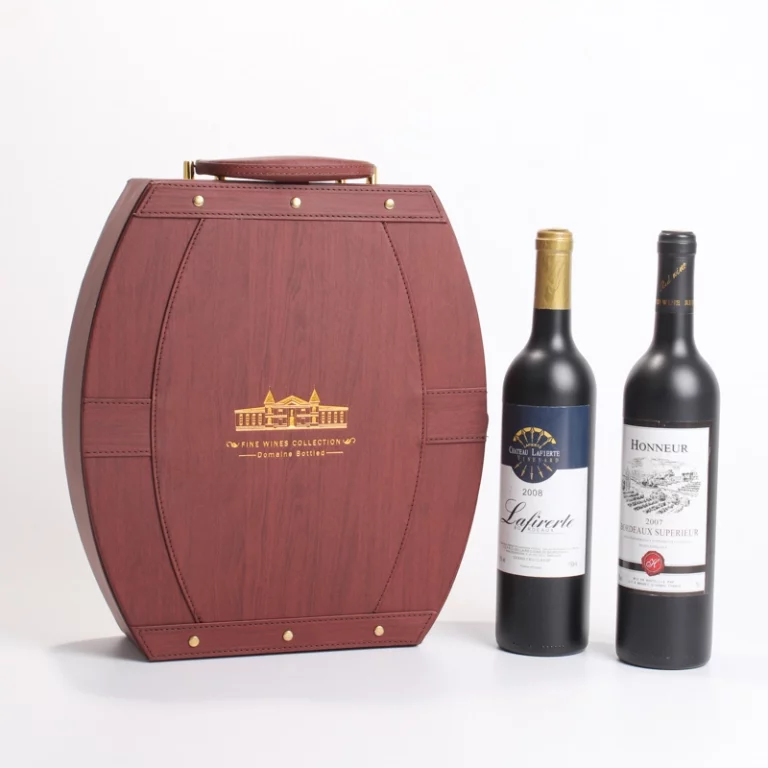
Cardboard shows up often—light yet firm. Pick thicker kinds to take knocks. Wood brings fancy and strength, nice for big loads. Green picks like reused paper draw eco fans. They guard just fine without hurting Earth.
Skip slim cardboard. It folds quick. Grab stronger sorts instead. These fight holes and hold form on long rides.
Protective Structures and Designs
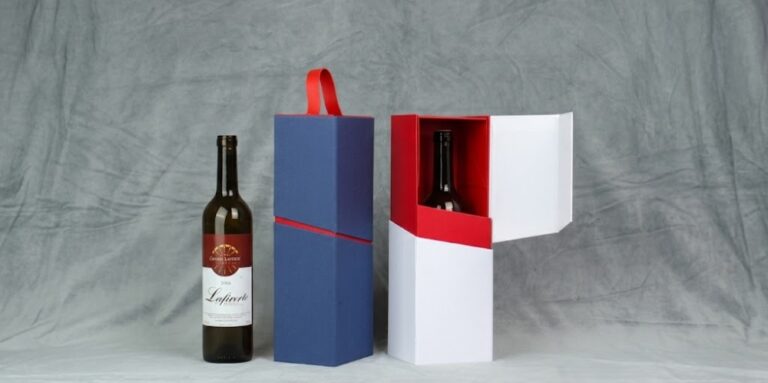
Forms count too. Top-and-bottom kinds close tight. Snap shuts lock firm, blocking dirt. Pull-out styles open easy, cutting shakes. Flat-fold ones save room when not full.
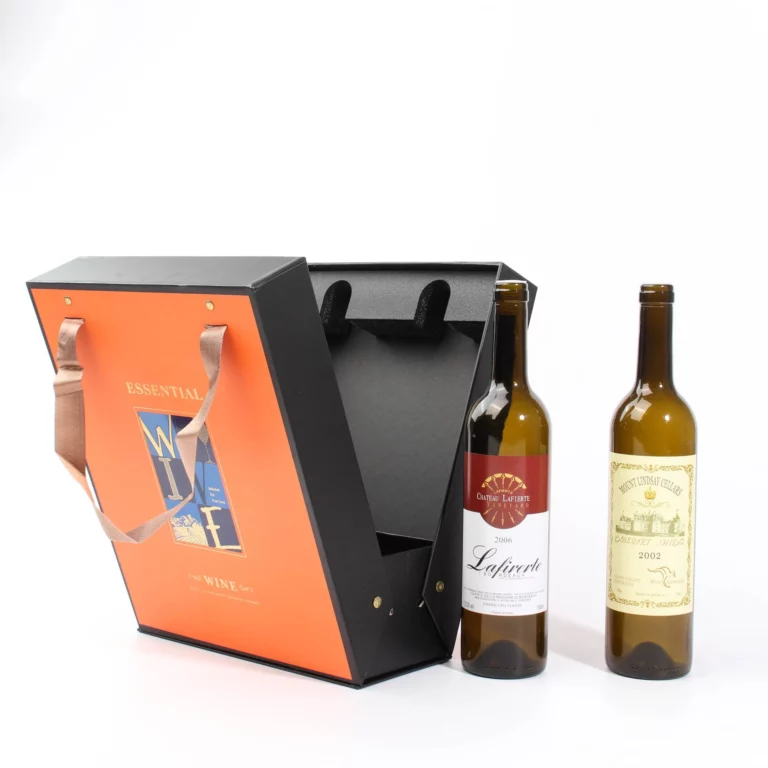
Grips make lifts simple, dropping fall chances. Open spots let peeks without full opens, useful for looks. Each shape suits varied wants—choose by your send.
Inserts for Extra Safety
Remember the insides. Soft trays ease touches. Foam shapes fix bottles still. These halt rolls or scrapes. For many bottles, splits keep them apart. Easy but works well.
Steps to Choose the Right Wine Box
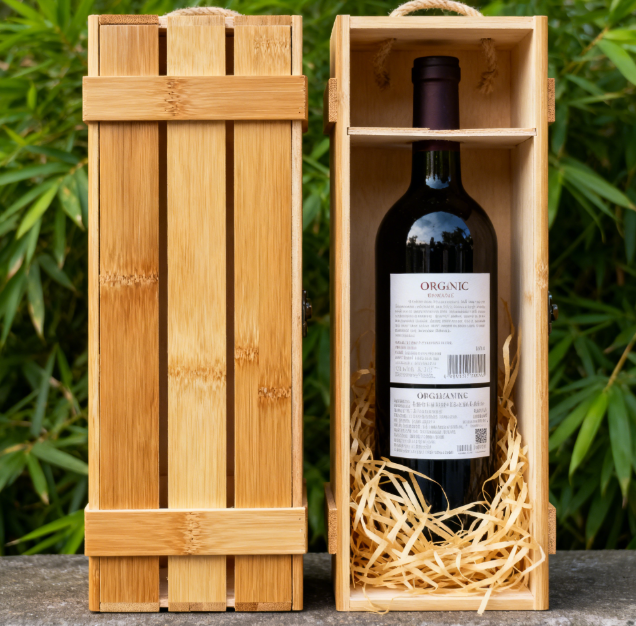
Picking seems hard at start. Split it up. Think on what you send, how distant, and the reason. This advice cuts choices down.
Count bottles first. One? Pick small. Lots? Want group power. Size fits what’s in—no spare room means less shifts.
Assessing Your Shipping Needs
Wonder: How far? Long ways want harder boxes. Air? Warm ones for wild temps. Event? Gifts want cute shapes; lots want basic use.
Cash matters too. Made-to-fit might run higher but rewards in name boost. Ready ones fit fast wants.
Comparing Box Types
Here’s a fast peek at common kinds:
| Box Kind | Good For | Plus Sides | Down Sides |
|---|---|---|---|
| Firm Top-and-Bottom | Presents, fancy wines | Tight close, nice view | Weighs more to send |
| Snap Shut | Quick grab sends | Safe, use again | Could add cost |
| Flat-Fold | Room-save keep | Light, packs thin | Less stiff for big weights |
| Pull-Out Style | Show uses | Easy open, guards well | Bigger shape |
Use this chart to fit your spot. Like, flat-folds help online sellers low on space.
Customization for Your Situation
Make it your own. Put signs for name lift. Shift sizes for weird bottles. Grab shades that fit your feel. This own touch turns sending pro.
Pairing Wine Boxes with Bags for Better Protection
Boxes don’t go solo. Wine bags add guards. They cover bottles before box, making safety twice.
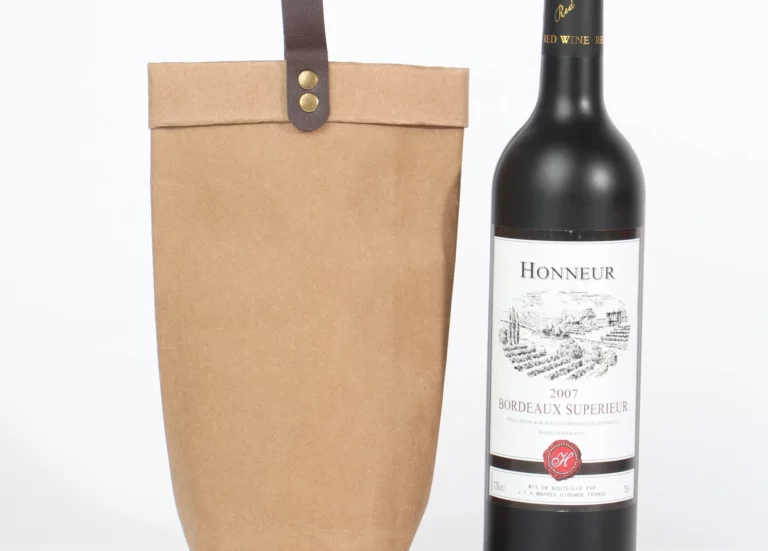
Bags use cloths like soft fabric or rough weave—gentle but strong. Paper sorts stay light for short paths. All aid soft spots and hold spills if cracks come.
Benefits of Using Wine Bags
They stop marks. Grips make picks easy. For gatherings, they seem sharp. In sends, they soak small hits boxes might skip.
Blend with boxes: Cover each bottle, then box up. This pair drops dangers a bunch.
Choosing Materials for Bags
Soft fabric lets air, fine for temps. Rough weave lasts against wear. Fake skin adds style without weight. Pick by touch and job—firm for trips, cute for gifts.
Tips for Packing Wine Safely
Packing correct counts big. Even top box flops without right way.
Cover each bottle. Grab bubble stuff or paper. Set in holders. Stuff empty spots with soft—no bare areas.
Mark clear: “Fragile” and “This Side Up.” It leads handlers.
Common Mistakes to Avoid
Don’t stuff too much. Full boxes crack quicker. Pass cheap tape—it comes off. Always check shut: Wiggle soft to spot moves.
For groups, separate with dividers. It stops clinks.
· Use acid-free paper for labels to avoid stains.
· Double-box for valuables.
· Track shipments for peace of mind.
These moves hold things safe.
Building Your Brand Through Smart Packaging
Fine wrapping isn’t only safe—it’s a name helper. Own boxes with your mark turn opens fun. It proves care, making buyers fans.
For shops, same looks grow know. Alone users? It warms gifts. Both ways, it boosts views.
Think ahead. Safe drops mean glad getters. Talk spreads. Your name rises.
Personal Branding in Packaging
Slip notes in. Pick shapes that show you—plain for new, fancy for old. It makes own without talk.
About Yiwu Jialan Packaging Co., Ltd.
Yiwu Jialan Packaging Co., Ltd. shines as a trusty giver of wine bags and wine boxes. Started in 2014 in Yiwu City, China, the group holds over ten years in paper wraps. They aim at making own fixes for wine fans and shops, from plans to make. With handy workers and new tools, they push out thousands each day. Their stuff hits people in many lands, always chasing quality that holds wine safe and nice. If you want steady wraps, they’re a good pick.
Conclusion
To end, shipping wine safely comes to wise picks. Grab boxes with firm stuff and right shapes. Toss in bags for more shield. Skip usual slips, and you’ll lower dangers. This guards your wine but lifts your picture—if you run a place or share with pals. Safe sending makes strong marks.
FAQs
How do I ship wine safely without cracks?
To ship wine safely, begin by choosing the right wine box with soft insides. Cover each bottle and stuff spots. This plan takes hits fine.
What things count when choosing the right wine box?
When choosing the right wine box, mind bottle numbers, path length, and air. Firm stuff and safe shuts aid plenty.
Do wine bags help for safe shipping?
Wine bags bring more guard, specially with boxes. They soft and ease lifts, aiding to ship wine safely.
How does own make help in shipping wine safely?
Own make lets you shape boxes to wants, like add holders. It gives better shield while fitting your way.
What’s top stuff for a wine box?
Thick cardboard or wood does great for power. Green picks hold eco without cutting safety.