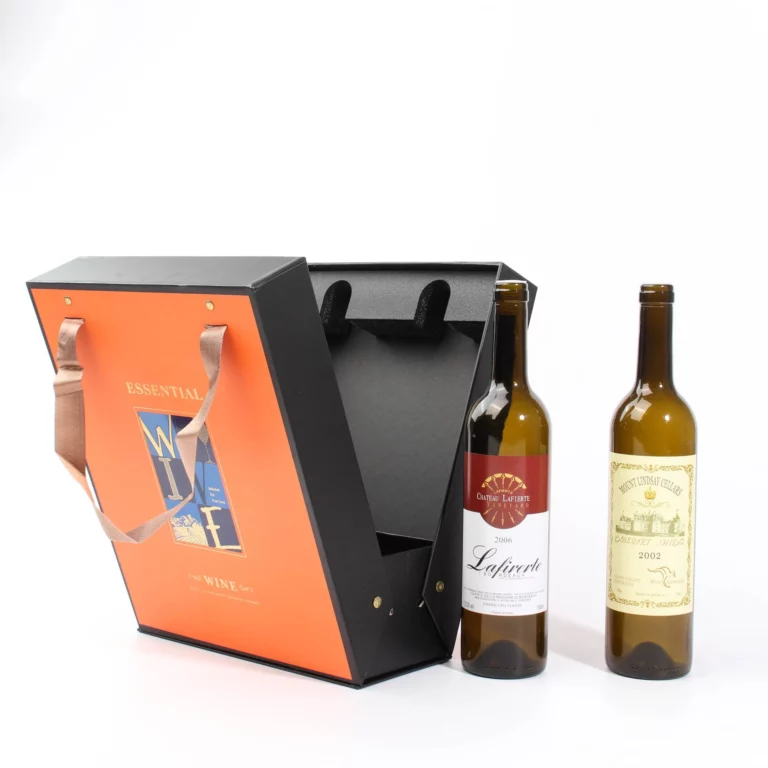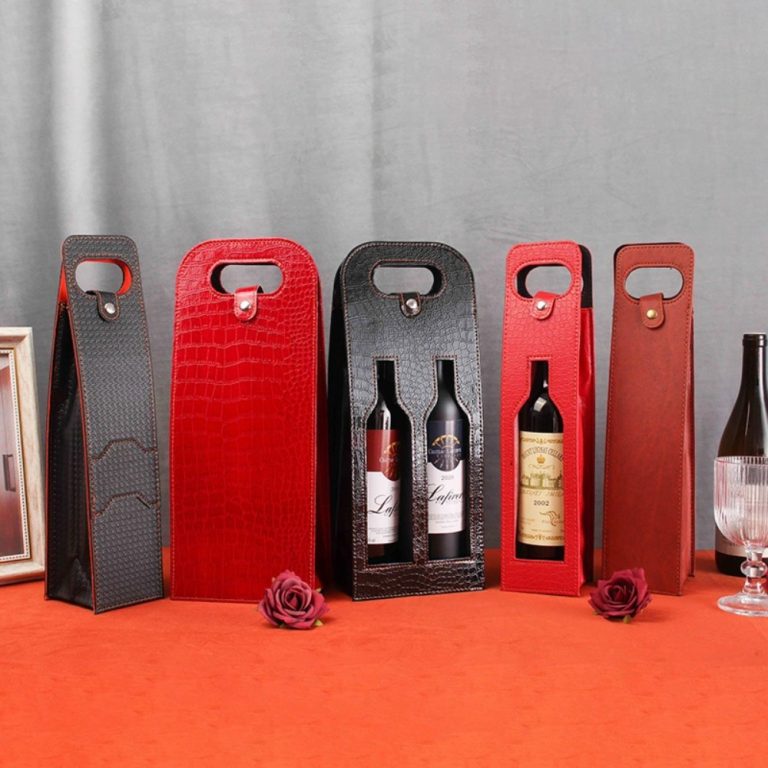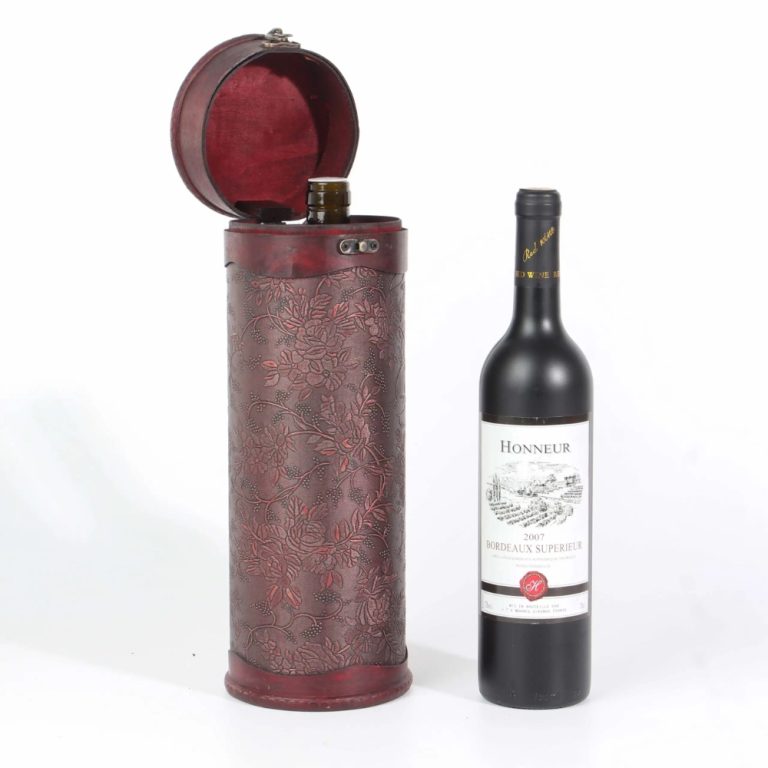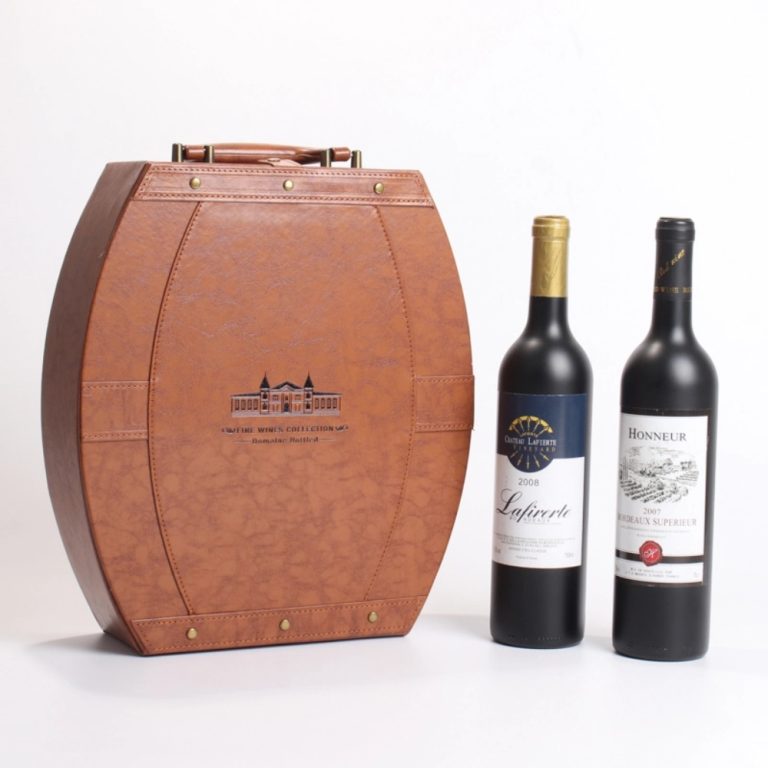

Wine bags have transformed a lot. They began as plain carriers to keep bottles safe. Now, they’re stylish items that grab attention at parties or stores. For winemakers, shop owners, or wine fans, this change is big. It shows how packaging can share a story, build trust, and shine in a busy market. This post explores the evolution of wine bags from simple tools to trendy accessories. We’ll look at shifts in materials, designs, and trends. You’ll see why picking the right wine bag lifts your brand or personal style. Let’s get started.
Wine needs protection. Bottles break easily, after all. Early bags focused on strength and ease. Today, they mix usefulness with charm. This isn’t just about looks. It’s about creating a moment that sticks with people. Whether you run a small vineyard or a large shop, knowing this evolution helps you choose bags that fit your vibe and goals.
The Start of Wine Bags
Wine bags have deep roots. They go back centuries, tied to how people carried and shared wine.
Early Needs
Long ago, people used what was around to carry wine. Think leather sacks or woven baskets from Roman or Greek times. These weren’t pretty. They just held liquid without leaks. By the 1800s, paper or cloth bags became common for glass bottles. Sellers needed cheap, strong options to move wine from cellars to buyers. No fancy stuff. The aim? Avoid breakage and keep things simple.
Imagine a crowded market in old Europe. Vendors wrapped bottles in plain sacks. It did the job but looked dull. These early bags laid the groundwork. They proved packaging could solve real issues, like transport on rough roads.
Early Materials
What did they use? Natural materials mostly. Jute, cotton, or rough paper. These held up against bumps and were easy to get. Leather added toughness for long trips, but it wasn’t cheap. Plastics didn’t exist yet. The focus was on function. Bags had to be light but sturdy.
As trade grew, so did needs. Factories made standard bags. Style wasn’t a concern. It was about getting wine safely to customers.
The Shift to Style
Things changed in the mid-1900s. Wine became more than a drink. It turned into a lifestyle. Bags started to reflect that.
Consumer Culture Grows
After World War II, people had more cash. Wine sales soared in places like the U.S. and Europe. Stores wanted packaging that stood out. Simple logos or colors appeared on bags. It wasn’t full-on fashion, but it moved past plain sacks. And it worked. A nice bag made wine feel special. People liked carrying branded bags home.
This time mixed function with a touch of charm. Bags got handles for easy carrying. Some added padding to protect bottles. Wineries saw the perk: a good bag boosted their image. Customers felt it too. It added a little joy to their purchase.
Green Thinking Emerges
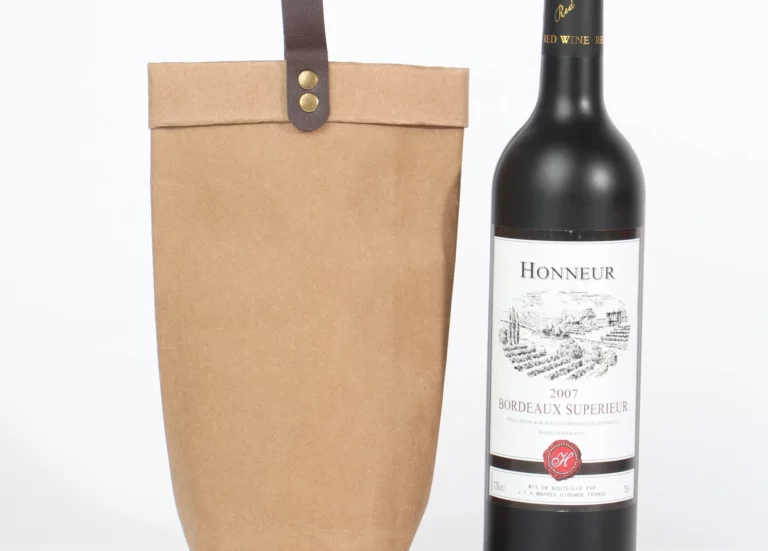
The 1970s brought eco-awareness. People cared about waste. Bags shifted to recyclable stuff like kraft paper. This kept them strong but added a responsible side. It clicked with buyers who valued the planet. Function met a new goal: being green.
Brands got creative. Some used canvas for reuse. Others added simple patterns. The evolution sped up, blending old needs with fresh ideas.
Wine Bags Today
Now, wine bags are everywhere. You see them in gift shops and fancy events. They’re more than carriers—they’re statements.
New Designs
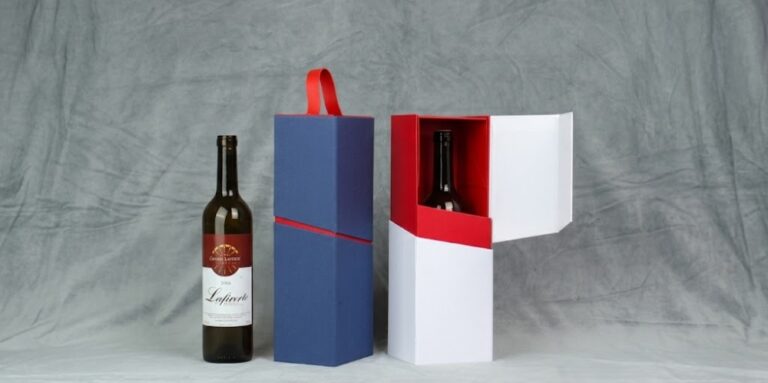
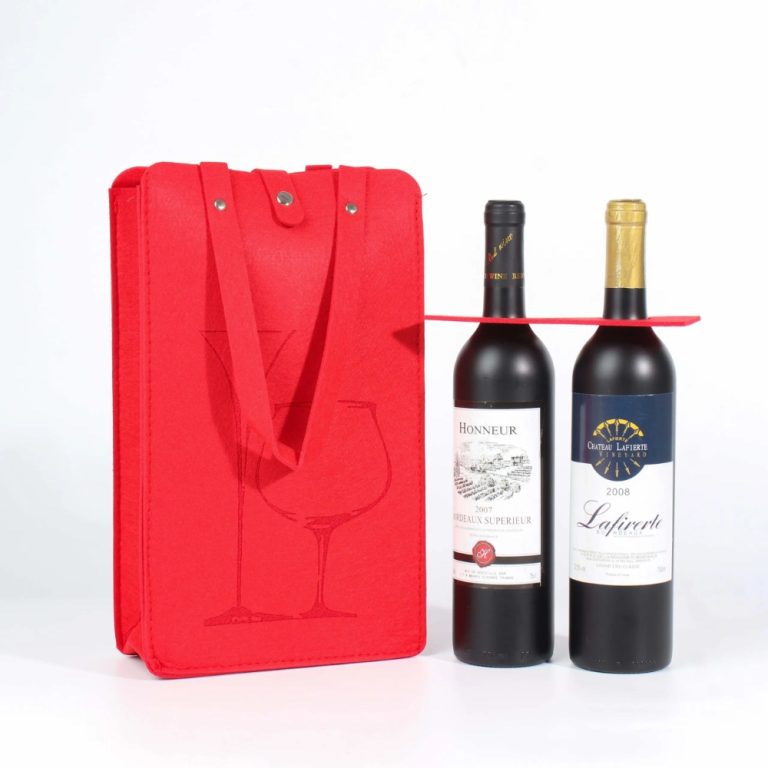
Modern bags impress with variety. Sturdy shapes hold multiple bottles. Magnetic snaps keep things secure yet simple to open. Windows show off bottle labels. It’s smart. Designs borrow from fashion: clean lines, bold prints, shiny accents.
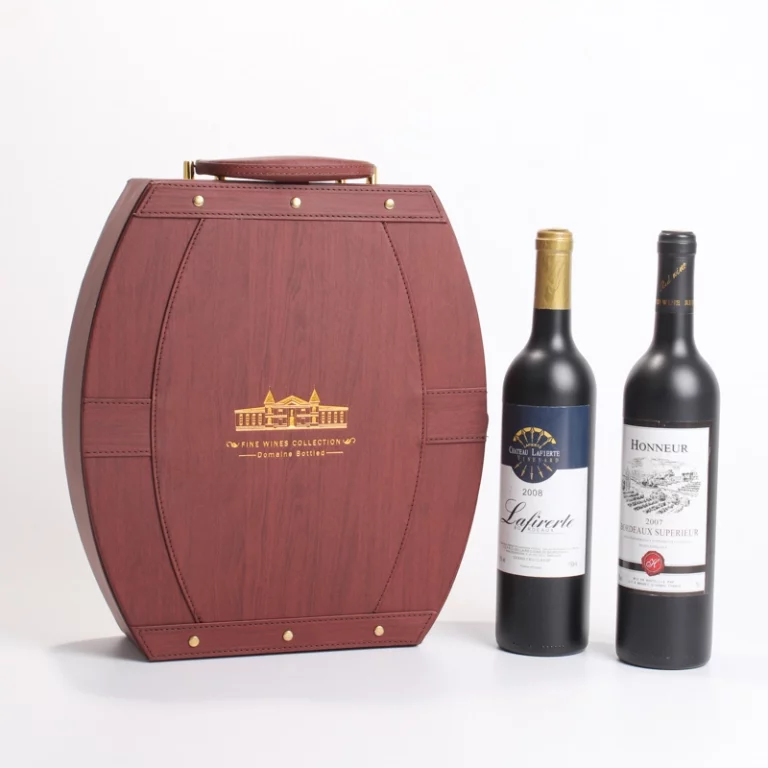
Materials? So many options. Eco-leather, velvet, or recycled fabrics. These feel high-end but stay strong. For winemakers, this means bags that match their story. A rustic winery might choose burlap-like textures. A luxury brand? Satin with gold details.
The move to fashion shows in customization. You can add personal touches: embossed names, unique shapes. It makes bags keepsakes. People reuse them for picnics or storage. Pretty clever, right?
Boosting Your Brand
Here’s the deeper side. A great wine bag lifts your image. It suggests quality before the bottle is opened. For businesses, this builds trust. Customers link the bag’s look to the wine’s taste.
- More Visibility: A stylish bag advertises for free. People notice it at events.
- Emotional Tie: Trendy designs spark feelings—class, fun, or tradition.
- Market Advantage: Stand out from plain rivals. A chic bag can win buyers.
Personal brands win too. Gifting wine? A fashionable bag makes it special. It shows you care.
Here’s a quick look at the differences:
| Feature | Old Wine Bags | Modern Stylish Bags |
| Main Goal | Protection, transport | Style and utility |
| Materials | Basic paper, cloth | Premium fabrics, eco-options |
| Features | Simple handles | Snaps, windows, custom prints |
| Brand Impact | Low | High—boosts perception |
The evolution rewards those who keep up.
Green Trends and What’s Next

Wine bags keep changing. Eco-friendly materials are leading the way.
Eco Advances
Many bags now use biodegradable materials. Think plant-based fibers or recycled plastics. This draws in buyers who care about the earth. Function stays solid—bags still protect—but style includes earthy tones or nature designs.
Wineries benefit. Green bags match organic wines, strengthening brand stories. It’s persuasive: show you care, and customers respond.
Future Styles
What’s coming? Maybe tech touches. QR codes on bags linking to winery tours. Or fabrics that shift colors. Fashion trends shape things too: simple designs for modern tastes, detailed ones for classics.
For winemakers or sellers, staying trendy keeps your brand fresh. Pick bags that evolve with the times.
About Yiwu Jialan Packaging Co., Ltd.
Looking for a solid wine bags supplier? Yiwu Jialan Packaging Co., Ltd. is worth a look. Based in Yiwu City, Zhejiang Province, China, they started in 2014. Their 7,000-square-meter facility serves over 30 countries. With more than 10 years in packaging, they employ over 100 skilled workers and produce 100,000 pieces daily. Specializing in wine packaging, including bags, they offer custom OEM/ODM services. Want eco-friendly or unique styles? They’ve got you covered. Their advanced setup ensures fast, high-quality results. It’s a great pick for anyone serious about wine bags.
Conclusion
The evolution of wine bags from function to fashion proves one thing: packaging shapes how people see you. From humble carriers to bold accessories, they now lift brands and personal moments. As trends lean toward green materials and style, choosing the right wine bag sets you apart. It’s a small choice with big impact.
FAQs
What fuels the evolution of wine bags from function to fashion?
Buyer tastes have changed. People want stylish items that reflect their lifestyle. Brands use this to stand out, mixing protection with cool designs. Eco-materials add charm while keeping things practical.
How do modern wine bags boost my brand?
They’re like free ads. A trendy bag carries your logo everywhere. It makes opening the wine fun, tying emotion to your product. In a busy market, this small touch builds loyalty.
Are green materials part of the evolution of wine bags?
Yes. Early bags were basic, but now many use recycled or biodegradable options. This fits eco-trends while staying stylish. It’s good for the planet and your brand’s story.
What should I check in a wine bags supplier?
Look for experience and custom options. A good supplier offers styles from functional to fashionable with fast production. Eco-friendly choices are key to match trends.