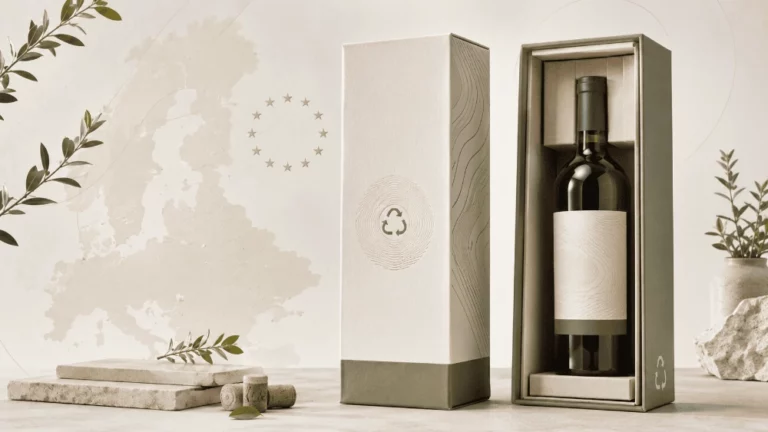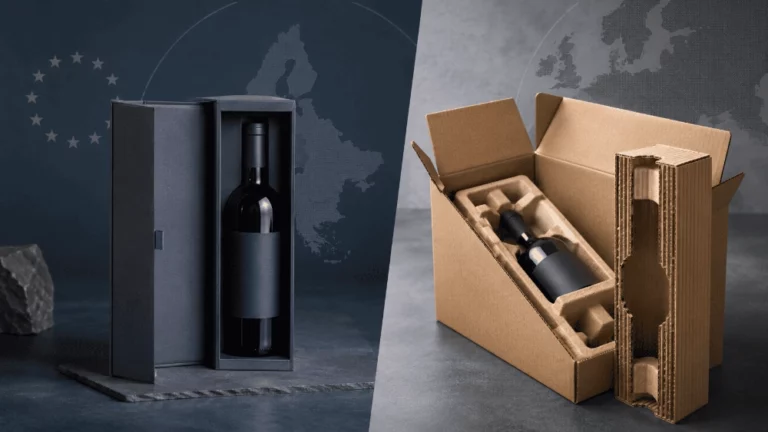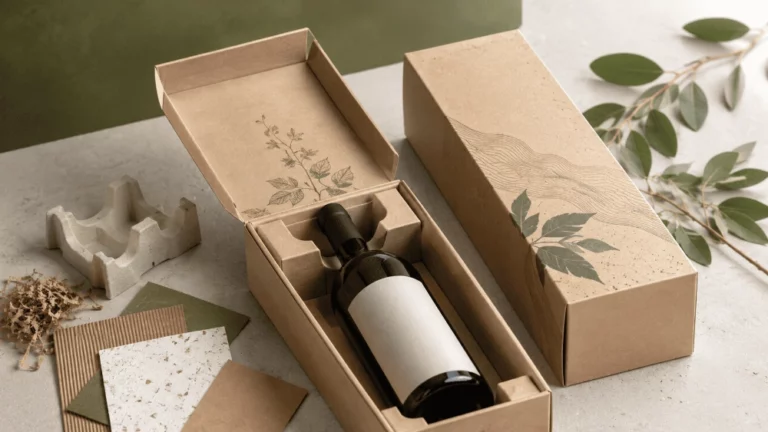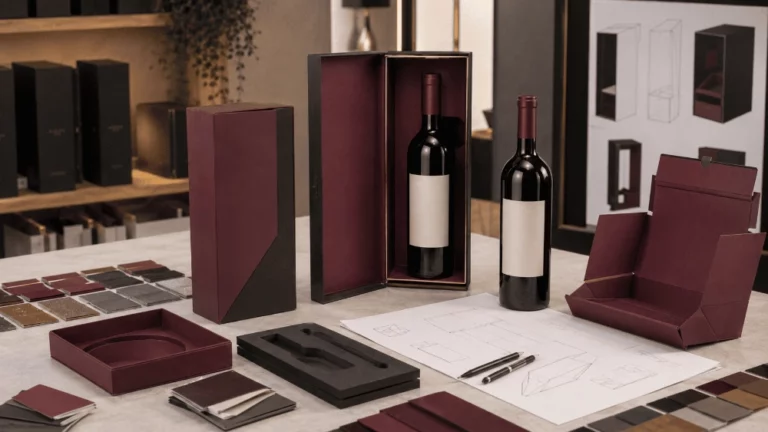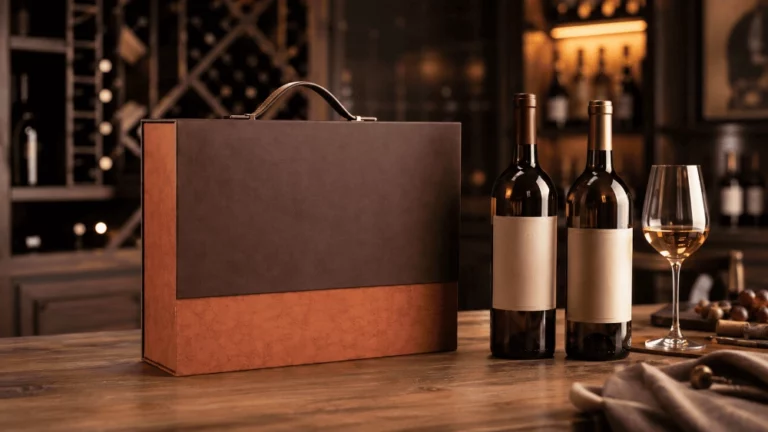

Eine Weinmarke mit mehreren Produkten benötigt nicht für jede Flasche die gleiche attraktive Verpackung. Vielmehr braucht sie ein Verpackungssystem, das Schutz, optimale Warenpräsentation, einen attraktiven Geschenkwert und die Möglichkeit zur Nachproduktion vereint. Ein Rotwein für den täglichen Verkauf, ein Sekt-Geschenkset und eine limitierte Edition mögen zwar dieselbe Markenbotschaft verwenden, sollten aber nicht zwangsläufig die gleiche Verpackung haben.
Ein praxisorientierter Plan beginnt mit der Produktgruppierung. Einkäufer sollten jede Weinlinie nach Flaschenform, Preisniveau, Vertriebskanal, Handhabungsrisiko und Präsentationsanforderungen klassifizieren. Nur so können maßgeschneiderte Weinkartons das Produkt optimal unterstützen, anstatt Kosten und Komplexität zu erhöhen. Ziel ist es, für jede Linie die passende Struktur zu wählen, ein einheitliches Erscheinungsbild zu gewährleisten und unnötige Änderungen vor Produktionsbeginn zu vermeiden.
Warum benötigen Weinmarken mit mehreren Produkten ein Verpackungssystem?
Bevor Käufer Papier, Oberflächenbehandlung oder Farbe auswählen, sollten sie die Funktion jeder einzelnen Verpackung festlegen.
Flaschenformate erzeugen unterschiedliche Schutzanforderungen
Rotwein, Weißwein, Schaumwein und Spirituosen unterscheiden sich in Höhe, Schulterform, Glasgewicht und Verschlussdesign. Diese Details beeinflussen die Tiefe der Einlage, die Halsstütze, die Bodenstabilität und den Abstand zum Etikett. Eine schlanke Weinflasche benötigt möglicherweise nur eine präzise gefertigte Kartoneinlage. Eine schwerere Flasche erfordert unter Umständen eine stabilere Bodenstütze.
Für B2B-Einkäufer ist der erste Schritt die Vermessung. Prüfen Sie Flaschenhöhe, Durchmesser, Füllgewicht, Etikettenposition und Verschlussform. Befinden sich zwei Flaschen in der Box, kontrollieren Sie den Abstand zwischen ihnen. Der Kontakt zwischen den Flaschen wird bei der Designprüfung leicht übersehen.
Die einzelnen Kanäle benötigen unterschiedliche Box-Prioritäten.
Die Verpackung im Einzelhandel muss von vorne gut erkennbar sein und auch beim Stapeln stabil stehen. Geschenkverpackungen müssen ein ansprechendes Öffnungserlebnis ermöglichen. Verpackungen für den E-Commerce müssen die Flasche beim Transport und der Handhabung schützen. Verpackungen für Messen und Veranstaltungen benötigen möglicherweise einen Tragegriff, schnellen Zugriff und eine hohe Markenbekanntheit.
Hier erweist sich individuelle Weinverpackung als vorteilhaft. Eine Marke kann Farbsystem, Logoplatzierung und Oberflächengestaltung beibehalten und gleichzeitig die Verpackung je nach Vertriebskanal anpassen. Der Kunde sieht weiterhin eine einheitliche Markenidentität, während jede Verpackung ihren jeweiligen Zweck erfüllt.
Nachbestellungen erfordern feste Spezifikationen
Viele Verpackungsprobleme treten erst nach dem ersten erfolgreichen Muster auf. Die nächste Charge kann Farbabweichungen, locker sitzende Einlagen oder geringfügige Größenänderungen aufweisen, wenn die Spezifikationen nicht festgelegt sind. Einkäufer, die mehrere Produktlinien verwalten, sollten Kartongröße, Einlagengröße, Kartonart, Oberflächenpapier, Farbcode, Veredelungsmethode und Verpackungsmethode dokumentieren. Klare Spezifikationen erleichtern die spätere Reproduktion von kundenspezifischen Weinkartons.
Wie sollten Einkäufer Verpackungen nach Produktlinien klassifizieren?
Ein Verpackungsplan wird übersichtlicher, wenn Produkte nach ihrem kommerziellen Zweck gruppiert werden. Dadurch bleibt das Budget auf die Rolle jeder Weinlinie abgestimmt.
Der Einzelhandel benötigt für den täglichen Bedarf stabile Kartonformate.
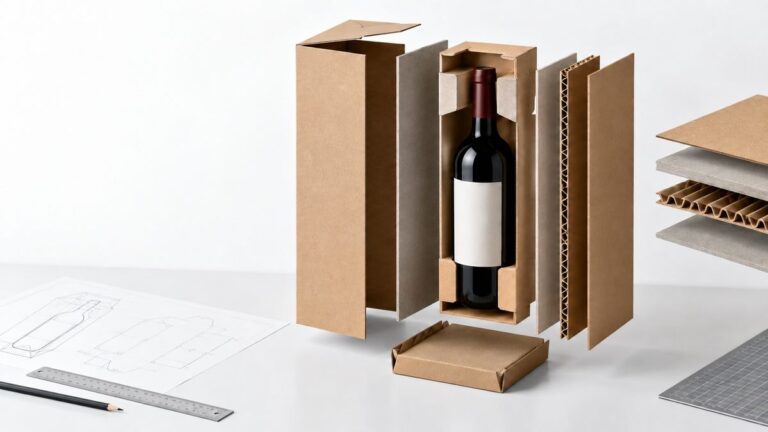
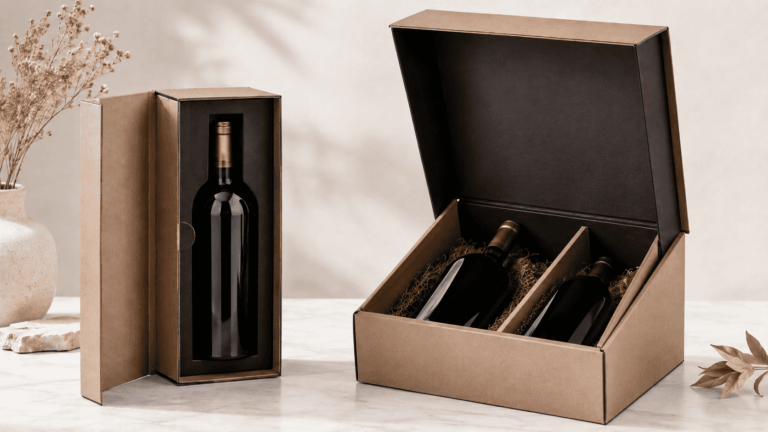
Für handelsübliche Weinflaschen sind Kartonverpackungen oft sinnvoller als schwere, starre Kartons. Sie schützen das Produkt, bieten Platz für Markeninformationen und ermöglichen eine gute Präsentation im Regal, ohne dabei einen Aufpreis zu verursachen. Das Design sollte eine übersichtliche Vorderseite, gut lesbare Produktinformationen und ausreichend Stabilität für die normale Handhabung im Geschäft gewährleisten.
Weine der mittleren Preisklasse benötigen sichtbare Markenhinweise.
Produkte im mittleren Preissegment benötigen in der Regel ein ausgewogeneres Verhältnis von Kosten und Präsentation. Strukturiertes Papier, Folienprägung, Mattlaminierung, Sichtfenster oder eine gezielte UV-Lackierung können den wahrgenommenen Wert steigern, ohne die Verpackung in ein Sammlerstück zu verwandeln.
Der Schlüssel liegt in der Zurückhaltung. Zu viele Oberflächenveredelungen lassen das Design überladen wirken und erschweren die Wiederholung. Ein gelungenes Design für eine Weinkartonverpackung zeichnet sich oft durch eine Hauptveredelung, ein Akzentdetail und eine passgenaue Flaschenpassung aus.
Premium-Kollektionen benötigen eine Geschenkverpackung.
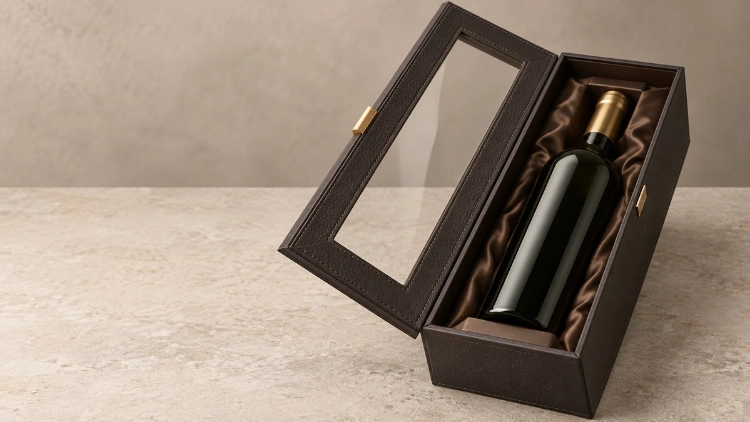
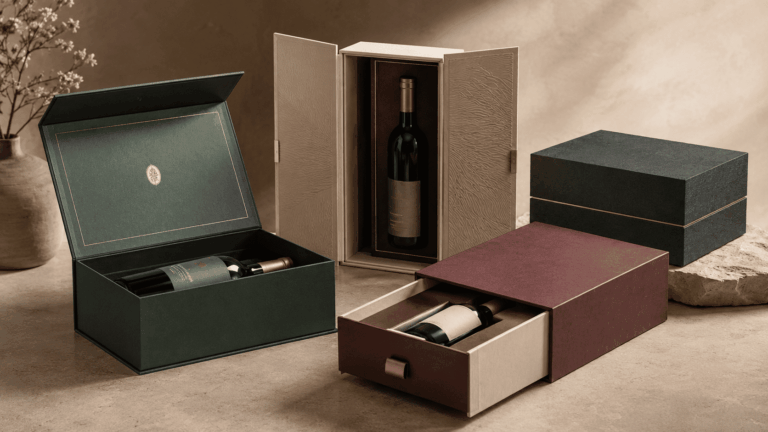
Hochwertige Weinverpackungen sollten ihren Preis durch Schutz, ansprechende Präsentation und mögliche Wiederverwendbarkeit rechtfertigen. Stabile Kartons, Buchöffnungen, Schubladensysteme, passgenaue Tabletts und lederähnliche Oberflächen eignen sich hervorragend für Firmengeschenke, limitierte Editionen, Mitgliedschaftssets oder Sondereditionen zu Feiertagen.
Bevor Sie sich für diese Stufe entscheiden, stellen Sie sich eine wirtschaftliche Frage: Wird der Empfänger die Verpackung nach dem Öffnen aufbewahren? Wenn ja, kann ein höheres Verpackungsbudget zu einer stärkeren Markenerinnerung beitragen.
Was sollte ein vollständiger Entwurfsplan beinhalten?
Sobald die Produktlinien klassifiziert sind, muss der Plan produktionsreif werden. Kleine Entscheidungen hinsichtlich Größe und Struktur können Kosten, Sicherheit und Aussehen beeinflussen.
Beginnen Sie mit der Flasche und setzen Sie sie ein.
Käufer sollten entscheiden, ob die Flasche eine Kartonverstärkung, EVA-Schaumstoff, eine Zellstoffschale, eine beflockte Schale oder eine einfache Trennwand benötigt. Die Einlage muss ein Verrutschen verhindern, ohne dabei zu stark auf Etikett, Schulter oder Verschluss zu drücken.
Bei Sets mit mehreren Flaschen sollten Sie mit gefüllten Flaschen testen. Eine Zeichnung mag korrekt erscheinen, aber das Gewicht beeinflusst das Verhalten des Kartons beim Anheben, Kippen oder Verpacken in Umkartons.
Materialien dem Preisniveau anpassen
Karton, Wellpappe, Hartkarton, Spezialpapier und Papier mit lederartiger Oberfläche erfüllen jeweils unterschiedliche Zwecke. Für eine Standard-Einzelhandelslinie ist möglicherweise keine stabile Verpackung erforderlich. Ein Premium-Set hingegen benötigt unter Umständen einen dickeren Karton, ein feineres Oberflächenpapier und eine stabilere Einlage.
Hochwertige Weinverpackungen zeichnen sich nicht zwangsläufig durch das teuerste Material aus. Vielmehr kommt es darauf an, dass das Material dem Verwendungszweck entspricht. Ein sauberer, stabiler Karton mit präziser Verarbeitung wirkt oft seriöser als eine überdesignte Verpackung mit unsauberen Kanten.
Sorgen Sie für reproduzierbare Oberflächen.
Folienprägung, Prägung, Tiefprägung, partielle UV-Lackierung, Laminierung und strukturiertes Papier können das Endergebnis verbessern. Sie bergen jedoch auch Risiken, wenn die Vorlage zu detailliert ist oder die Toleranzen zu gering sind. Dunkle Farben, metallische Details und strukturierte Oberflächen erfordern die Freigabe von Mustern, da selbst kleinste Abweichungen stärker sichtbar sind.
Eine praktische Weinkartonverpackung sorgt für gleichbleibende Qualität bei zukünftigen Produktionsläufen. Das ist wichtiger als eine einzelne beeindruckende Probe.
Wie können Marken Präsentation und Kosten in Einklang bringen?
Die Kostenkontrolle sollte durch Strukturplanung erfolgen, nicht durch eine Abschwächung der Verpackung. Eine robustere Verpackung sollte denjenigen Produktlinien vorbehalten bleiben, bei denen sie den Wert steigert.
Luxuriöse Formate sollten nur dort eingesetzt werden, wo sie von Bedeutung sind.
Nicht jede Flasche benötigt eine stabile Geschenkverpackung. Marken können für Alltagsprodukte Karton-Weinkartons, für Geschenkverpackungen eine Box mit Tragegriff und für Premium-Sets eine aufwendigere, stabile Verpackung verwenden. Durch die Verwendung derselben Markenfarben und Logorichtlinien lassen sich diese Verpackungsformate verbinden, sodass das Produktsortiment weiterhin ein einheitliches Erscheinungsbild erhält.
Standardisieren Sie die wiederholbaren Teile
Viele Weinmarken verwenden Flaschengruppen mit ähnlichen Größen. Einheitliche Abmessungen reduzieren Werkzeugwechsel und vereinfachen die Entwicklung von Einsätzen. Die Grundstruktur bleibt stabil, auch bei Änderungen des Drucks, der Oberflächenbearbeitung, der Griffwahl oder des Einsatzlayouts je nach Produktlinie.
Wo passt eine hochwertige Geschenkbox mit zwei Flaschen hinein?
Ein hochwertiges Geschenkformat sollte erst nach der Planung der Basisproduktlinien gewählt werden. Dadurch lässt sich leichter entscheiden, welches Weinset ein höheres Verpackungsbudget verdient.
Firmengeschenke benötigen eine vollständige Präsentation
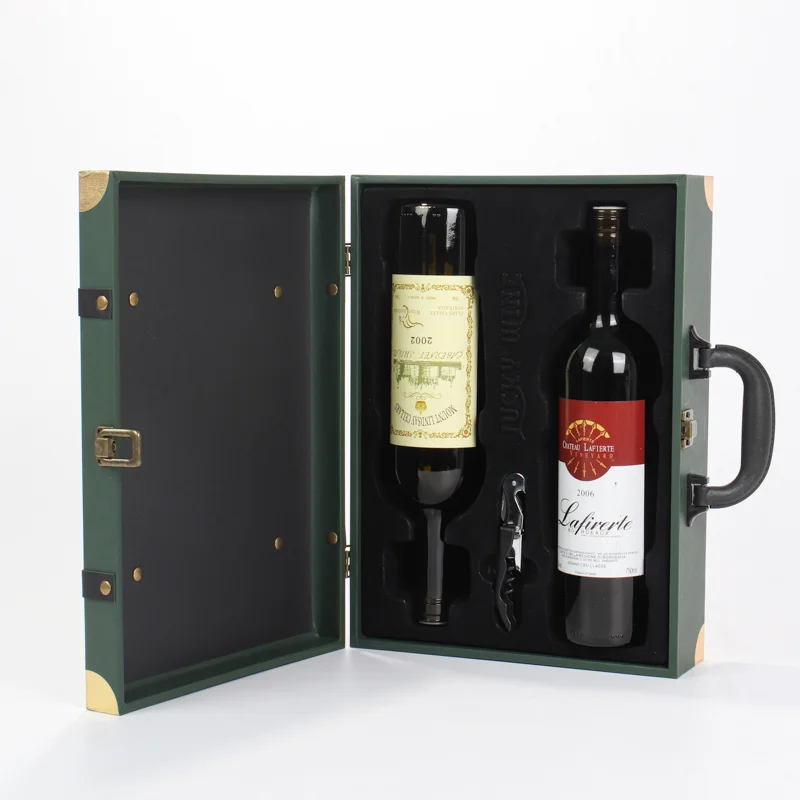
Für Firmengeschenke muss die Verpackung den Eindruck erwecken, das Set sei für die direkte Auslieferung vorbereitet. Ein Format mit zwei Flaschen eignet sich für Weinpaare, Weihnachtsgeschenke, Vintage-Sets oder Markenkooperationen.
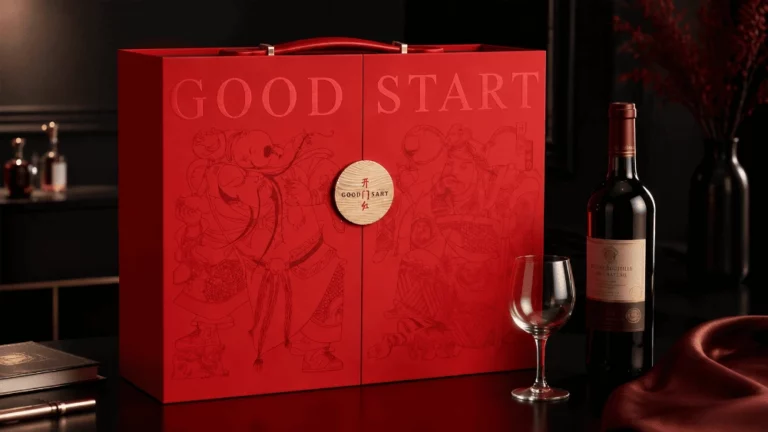
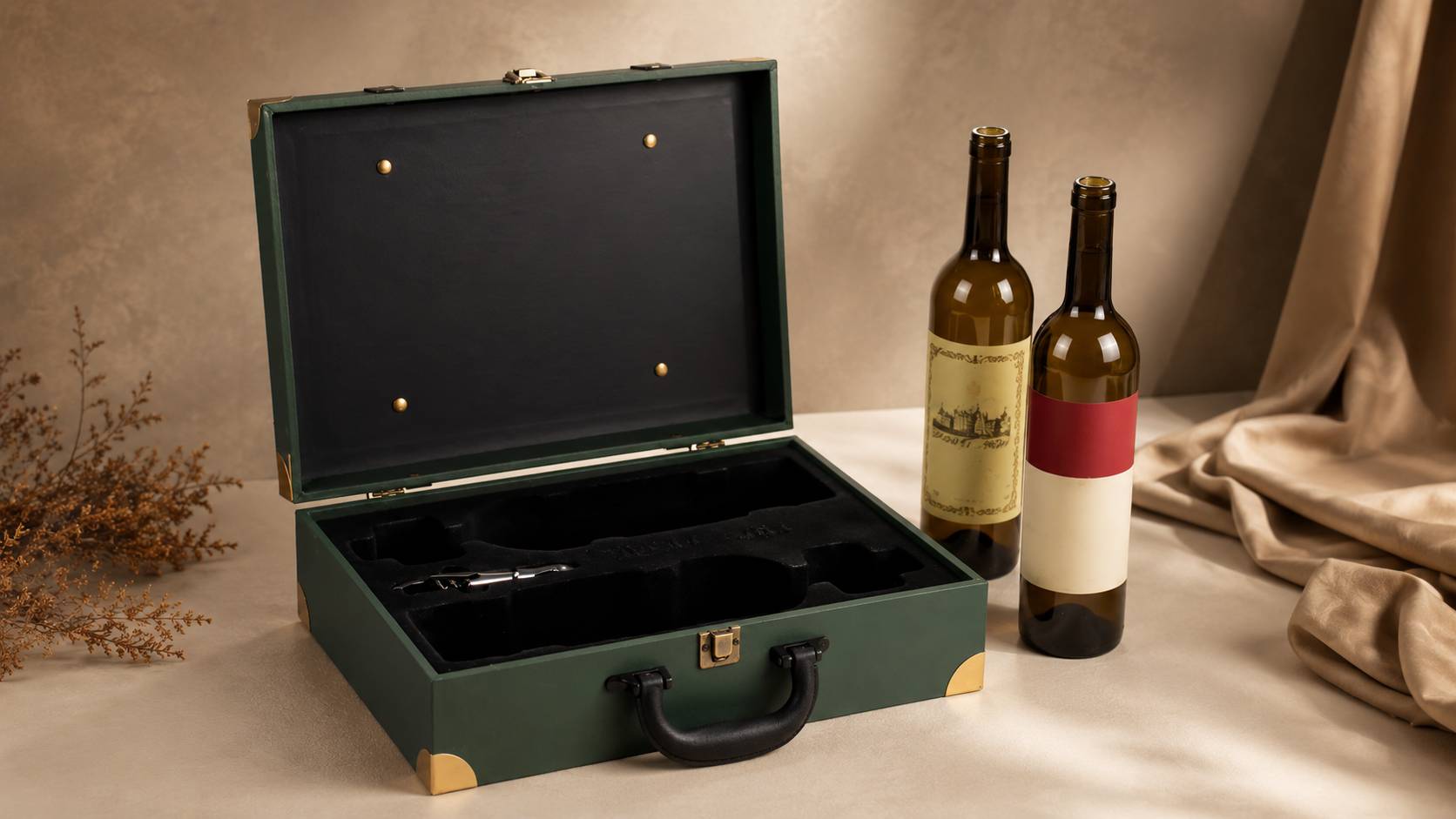
Die Luxus Vintage Leder Handgriff Doppelflasche Flip Top Wein Geschenkbox Diese Box erfüllt ihren Zweck perfekt. Sie besteht aus hochwertigem PU-Leder, stabilem Karton und EVA-Schaum. Sie bietet Platz für zwei Standard-Weinflaschen und einen Korkenzieher und verfügt über einen Klappdeckel, Metallverschlüsse, einen Tragegriff und goldene Akzente.
Die integrierte Struktur kann zusätzliche Schritte reduzieren
Eine stabile Geschenkbox kann den Bedarf an separater dekorativer Verpackung reduzieren. Wenn Griff, Verschluss und Innenverstärkung bereits in die Konstruktion integriert sind, kann die Marke das Produkt als fertiges Set präsentieren.
Dieses Format sollte nach wie vor einem realen Bedürfnis gerecht werden. Es sollte das Tragen, die Flaschenhalterung, die Geschenkverpackung und die Markenpräsentation verbessern. Es sollte nicht allein aufgrund seines teuren Aussehens gewählt werden.
Individuelle Details sollten die Markengeschichte unterstützen.
Logoplatzierung, Farbabstimmung, Oberflächenstruktur und Layout der Einlage sollten zur Positionierung des Weins passen. Eine klassische Vintage-Linie verwendet möglicherweise dunklere Töne und metallische Akzente. Eine moderne Weinmarke bevorzugt hingegen eher eine klarere Oberfläche und ein zurückhaltendes Design.
Bei TopWinePackWir bieten Ihnen maßgeschneiderte Weinkistenoptionen über unser kundenspezifischer VerpackungsserviceDer entscheidende Punkt für Käufer ist die Übereinstimmung der Struktur: Material, Verarbeitung und innere Stabilität sollten alle auf die Produktlinie abgestimmt sein.
Was sollten Käufer vor der Produktion prüfen?
Bei einer Stichprobenprüfung sollten sowohl Aussehen als auch Gebrauchstauglichkeit getestet werden.
Testen Sie die Probe mit echten Flaschen
Verwenden Sie gefüllte Flaschen zur Überprüfung der Probe. Prüfen Sie, ob die Flasche wackelt, ob der Einsatz Hals und Boden sicher hält, ob der Griff stabil ist und ob der Karton gleichmäßig schließt. Bei Kartons mit zwei Flaschen kippen Sie den Karton und prüfen Sie, ob sich die Flaschen aufeinander zubewegen.
Farbe und Oberfläche bei normalem Licht prüfen.
Verpackungen werden unter Bürobeleuchtung, Fabrikbeleuchtung, Ladenbeleuchtung und Veranstaltungsbeleuchtung betrachtet. Dunkles Papier, Metallfolie und strukturierte Oberflächen können in den verschiedenen Lichtverhältnissen unterschiedlich wirken. Käufer sollten vor Produktionsbeginn einen Farbabzug und ein Standardmuster freigeben.
Bitte bestätigen Sie frühzeitig die Verpackungs- und Projektdetails.
Der fertige Karton sollte sich leicht bepacken, schützen, zählen und versenden lassen. Prüfen Sie die Kartonstabilität, die Kennzeichnung, gegebenenfalls den Innenschutz und die Stückzahl pro Karton. Diese Details beeinflussen die Handhabung und das Beschädigungsrisiko.
Schlussgedanken
Komplette Weinverpackungslösungen basieren auf Produktgruppierung, Flaschendaten, Materialkontrolle, reproduzierbaren Veredelungen und praktischen Mustern. Für Weinmarken mit mehreren Produkten stellt dieser Ansatz sicher, dass jede Flaschenlinie den optimalen Schutz und die passende Präsentation erhält.
Eine hochwertige Geschenkverpackung ist wertvoll, wenn sie für das richtige Produkt verwendet wird. Eine einfachere Kartonverpackung ist sinnvoll, wenn sie den Anforderungen des Einzelhandels und der Handhabung entspricht. Das beste Ergebnis erzielt man, wenn beides innerhalb eines Markensystems eingesetzt wird.
Wenn Ihr nächstes Projekt einen strukturierten Verpackungsplan benötigt, können Sie Teilen Sie uns Ihre Anforderungen an individuelle Weinkisten mit. mit uns.
FAQ (häufig gestellte Fragen)
F: Welche Verpackungsart sollte eine Weinmarke mit mehreren Produkten wählen?
A: Die richtige Wahl hängt von der Produktlinie ab. Weine des täglichen Bedarfs eignen sich oft für Kartonverpackungen, Weine der mittleren Preisklasse erfordern möglicherweise ausgewählte Details der Oberflächenveredelung, und hochwertige Geschenksets benötigen unter Umständen stabile Verpackungen mit passgenauen Einlagen.
F: Sind maßgefertigte Weinkartons für jedes Weinprodukt notwendig?
A: Nein. Individuell gestaltete Weinkartons sind vor allem dann sinnvoll, wenn Flaschengröße, Markenpositionierung, Vertriebskanal oder Geschenkwünsche mit einem Standardformat nicht optimal abgedeckt werden können. Verschiedene Produktlinien bieten unterschiedliche Möglichkeiten zur Individualisierung.
F: Was sollten Käufer vorbereiten, bevor sie eine individuelle Weinverpackung in Auftrag geben?
A: Käufer sollten Flaschenabmessungen, Gewicht der gefüllten Flasche, Zielkanal, erwartete Bestellmenge, Grafikdateien, bevorzugtes Material, Anforderungen an die Oberflächenveredelung sowie eventuelle Einlagen oder Griffe vorbereiten.