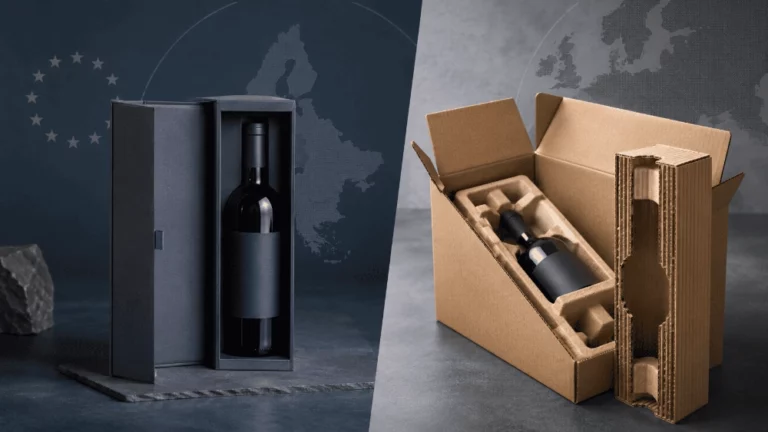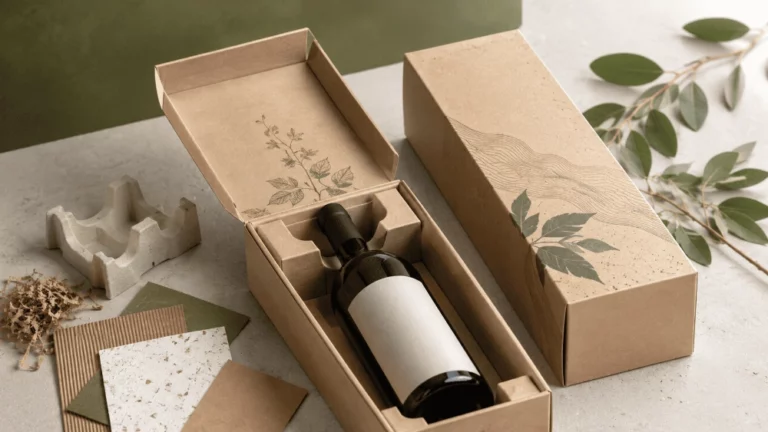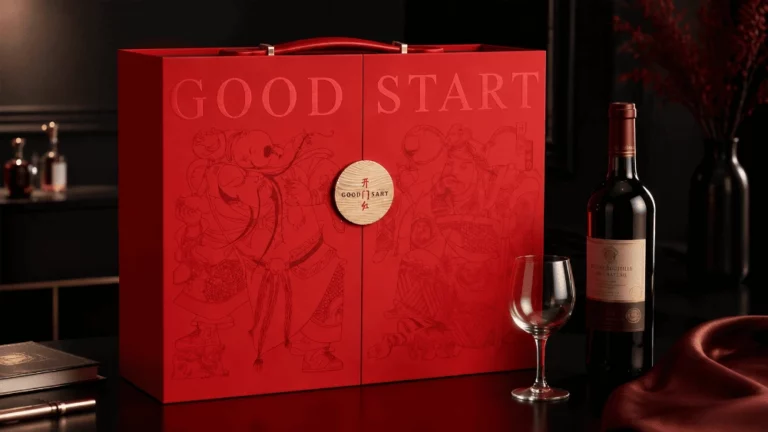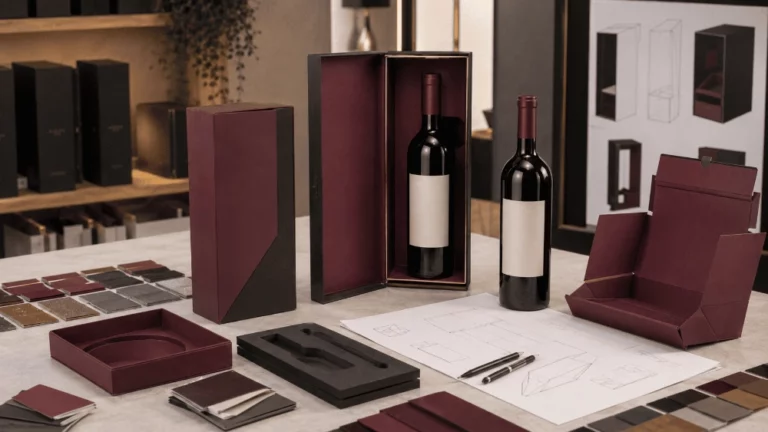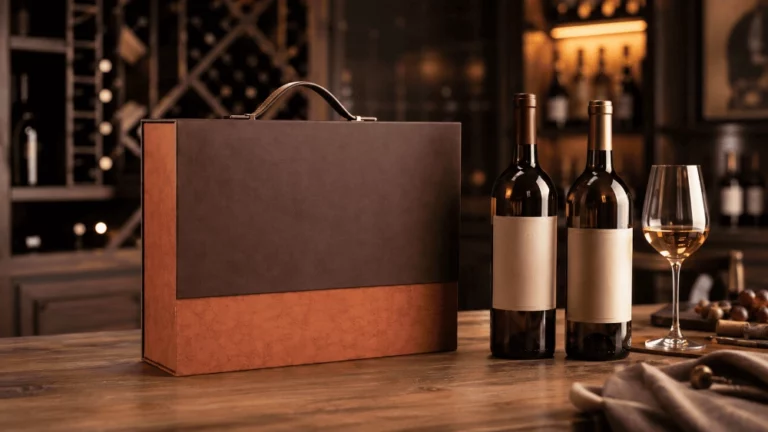

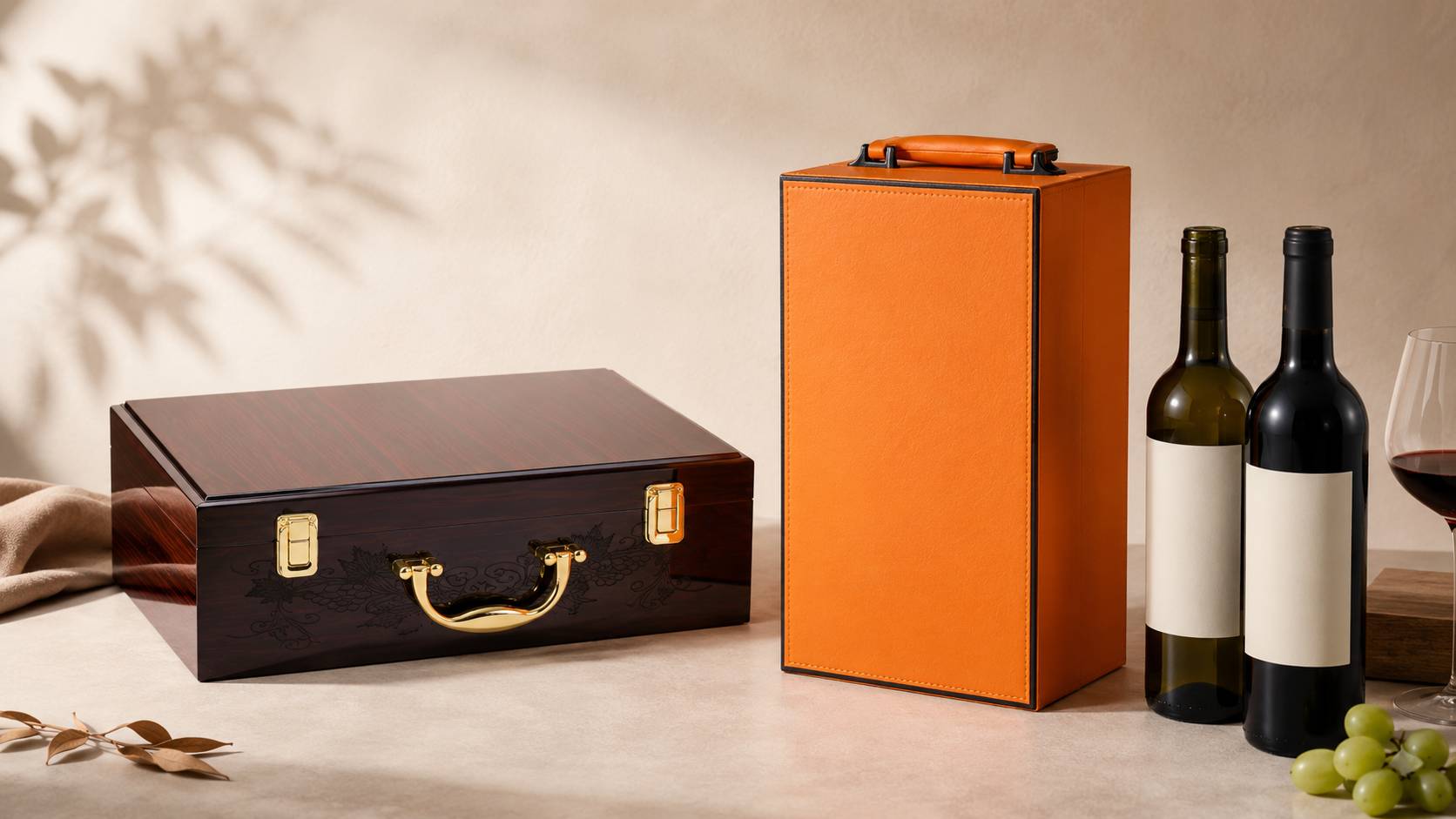
Die Wahl zwischen stabilen und hölzernen Weinkisten ist eine Kaufentscheidung mit weitreichenden Folgen, die über das Aussehen hinausgehen. Die gewählte Verpackungsart beeinflusst das Gewicht, die Werkzeuge, die Oberflächenbehandlung, die Beschläge, die Kartonplanung, die Prüfkriterien und die Konsistenz bei Folgeaufträgen. Käufer benötigen daher mehr als einen rein optischen Vergleich. Sie brauchen eine Spezifikation, die ein Angebot erstellt, Muster angefordert, freigegeben und reproduziert werden kann.
Stabile Kartonagen eignen sich oft für Projekte, die detaillierten Druck, ein kontrolliertes Verpackungsgewicht oder Serienproduktion erfordern. Holzbasierte Konstruktionen sind sinnvoller, wenn eine robuste Verpackung, ein ansprechender Präsentationswert oder die Positionierung in Sammlerkreisen einen höheren Aufwand bei Verarbeitung und Transport rechtfertigen. Die richtige individuelle Weinverpackung hängt von Flaschendaten, Menge, Handhabung und Verwendungszweck ab.
Was sollten Käufer vor dem Materialvergleich definieren?
Ein sinnvoller Vergleich beginnt mit einer festgelegten Projektbeschreibung. Ohne diese lassen sich Angebote nicht fair vergleichen.
Die Kurzbeschreibung sollte Angaben zu Flaschenabmessungen, Füllgewicht, Flaschenanzahl, Verschlussart, Etikettenposition, Zubehör und Öffnungsrichtung enthalten. Außerdem sollte angegeben werden, ob die Box transportiert, ausgestellt, als Firmengeschenk überreicht, von einem Sammler aufbewahrt oder in einem separaten Versandkarton verpackt wird.
Definieren Sie das erforderliche visuelle Niveau, einschließlich Farbreferenz, Logo-Methode, Oberflächenstruktur, Beschläge, Futter und wesentliche Ausführungen. Ergänzen Sie die Angaben zu Menge, Bestimmungsort, Zieltermin, Erwartungen an Nachbestellungen, Mustertyp und Prüfprioritäten. Eine Anfrage, die lediglich „Premium-Box“ angibt, reicht für einen aussagekräftigen Vergleich nicht aus.
Wie funktionieren starre Pappe und Holzwerkstoffe? Weinboxen Abweichen?
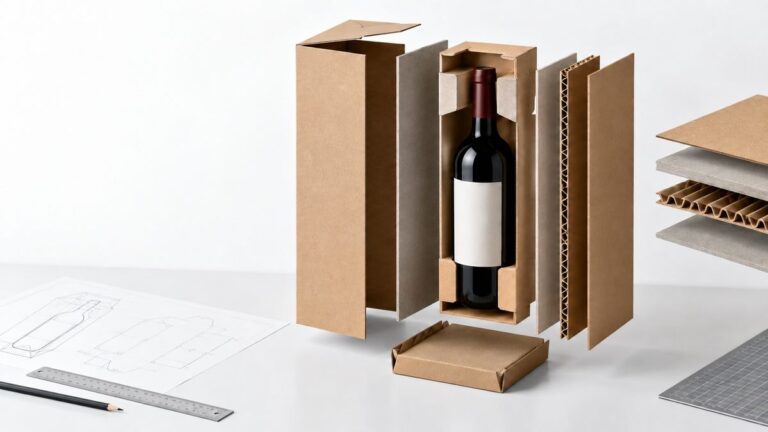
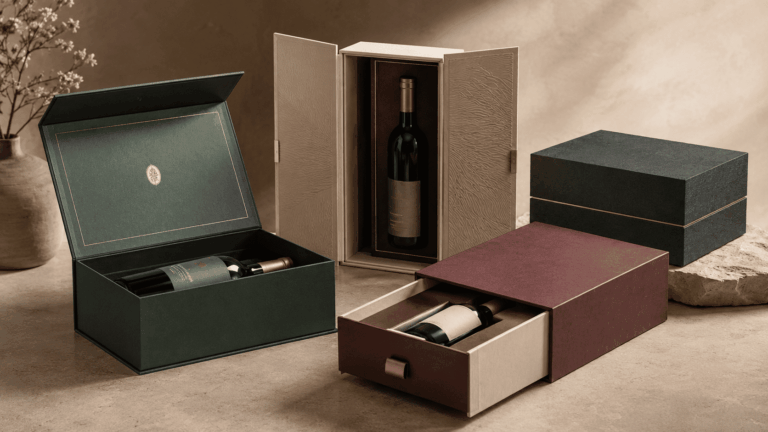
Stabile Weinkisten bestehen in der Regel aus dickem Graukarton oder fester Pappe, die mit Dekorpapier, Stoff oder Lederimitat bezogen ist. Weinkisten aus Holz werden hauptsächlich aus Massivholz oder Holzwerkstoffen hergestellt. Gängige Optionen sind Kiefer, Hartholz, Palisanderholz, Sperrholz und andere Holzwerkstoffe. Das gewählte Material beeinflusst Gewicht, Haltbarkeit, Oberflächenbehandlung, Feuchtigkeitsempfindlichkeit, Passgenauigkeit der Beschläge, Kosten und die Chargenkonsistenz.
| Kaufkraft | Weinkartons aus stabilem Karton | Holzbasierte Route Weinboxen |
| Hauptkostentreiber | Kartonierung, Verpackung, Druck, Endbearbeitung, Montage | Holzbearbeitung, Schleifen, Beschichten, Beschläge, Auskleiden |
| Branding-Methode | Bedruckte Grafiken, Folienprägung, Prägung, strukturierte Folie | Gravur, Lackierung, Metalldetails, aufgebrachtes Branding |
| Packgewicht | Normalerweise niedriger | Normalerweise höher |
| Chargensteuerung | Stark, wenn Platinen- und Druckreferenzen fixiert sind. | Erfordert die Kontrolle von Material- und Oberflächenabweichungen |
| Typische Projektrolle | Kampagnen, Firmenspenden, wiederkehrende Programme | Sammlersets, Vitrinen, hochwertige Präsentationen |
| Hauptinspektionsrisiko | Verformung, Klebstoff, Umwicklung, Kantenausrichtung | Risse, Beschichtungsfehler, Fugen, Ausrichtung der Beschläge |
Die Tabelle dient als Orientierungshilfe für die Angebotsanfrage, ersetzt aber keine Mustererstellung. Flaschen, Einsätze, Verschlüsse und Griffe können die Eigenschaften der fertigen Verpackung beeinflussen.
Wie sollten Käufer die Gesamtprojektkosten vergleichen?
Der Einzelpreis allein liefert kein vollständiges Ergebnis. B2B-Käufer sollten die Kosten des fertigen, verpackten und freigegebenen Projekts vergleichen.
Bei starren Kartonagen können die Kosten für Zuschnitt, Verpackung, Bedruckung, Folien- oder Prägung, Einlegearbeiten, Montage der Beschläge und manuelle Endmontage anfallen. Selbst bei leichtem Material kann ein komplexer Fall einen erheblichen Arbeitsaufwand erfordern. Feste Abmessungen und wiederholbare Designs ermöglichen jedoch stabile Folgeaufträge.
Bei Holzkonstruktionen können zusätzliche Arbeitsschritte wie Formen, Schleifen, Lackieren, Trocknen, Beschlagmontage, Auskleiden und individueller Oberflächenschutz erforderlich sein. Auch das Verpackungsgewicht und die Anforderungen an den Umkarton können steigen. Käufer sollten daher vor einem Kostenvergleich die Kartonabmessungen, die Stückzahl pro Karton, das Bruttogewicht und die geplante Schutzmethode erfragen.
Werkzeuge und Muster sind ebenfalls wichtig. Ein individueller Einsatz, ein geformter Holzkorpus oder eine spezielle Beschlagskonstruktion können projektbezogene Kosten verursachen. Diese sollten separat vom Stückpreis ausgewiesen werden, damit einmalige und wiederkehrende Kosten transparent bleiben.
Die Produktionsmenge kann die Wahl des geeigneten Herstellungsverfahrens beeinflussen. Ein Design, das für eine limitierte Auflage geeignet ist, kann für eine wiederkehrende Kampagne ineffizient sein, während eine standardisierte, starre Konstruktion attraktiver werden kann, wenn spätere Versionen die gleichen Abmessungen aufweisen.
Welcher Materialweg eignet sich für den Projektzweck?
Die richtige Wahl orientiert sich an der kommerziellen Verwendung der Verpackung und nicht an der allgemeinen Annahme, dass ein bestimmtes Material hochwertiger sei.
Stabile Kartonverpackungen eignen sich hervorragend für Firmengeschenke, saisonale Aktionen und abgestimmte Produkteinführungen. Sie ermöglichen die präzise Wiedergabe von Markenfarben in Einzel-, Doppel- oder Mehrfachverpackungen. Eine lederähnliche Umhüllung verleiht den Verpackungen ein edles Aussehen, ohne den Karton selbst zu verändern.
Die Konstruktion aus Holz eignet sich für Sammlereditionen, Gedenkflaschen oder Präsentationssets, die länger im Gebrauch bleiben sollen. Die Konstruktion benötigt jedoch weiterhin einen sicheren Einsatz, glatte Innenflächen und einheitliche Beschläge.
Bei Exportprojekten sollten Sie die Lager- und Kartoneffizienz berücksichtigen. Eine größere Holzkiste kann die Stückzahl pro Karton reduzieren und erfordert einen besseren Oberflächenschutz. Eine stabile Konstruktion ist zwar leichter, benötigt aber dennoch verstärkte Ecken oder einen stabileren Boden.
Was muss in die technische Spezifikation aufgenommen werden?
Eine Einkaufsspezifikation sollte visuelle Präferenzen in messbare Anforderungen umwandeln. Sie sollte dem Angebot, der Musterfreigabe und dem Produktionsauftrag beigefügt werden.
Für einen stabilen Kartonkarton sind folgende Angaben zu dokumentieren: Kartonart und -stärke, Verpackungsmaterial, Druckreferenz, Position der Oberflächenveredelung, Verschlussart, Griffbefestigung, Einlegematerial und Fertigmaße. Zulässige Kantenausrichtung, Klebstoffkontrolle, Farbtoleranz und Oberflächenbeschaffenheit sind zu definieren.
Bei einem Holzgehäuse geben Sie bitte die genaue Holzart bzw. das Holzwerkstoffmaterial, das Beschichtungssystem, den Farbstandard, die Beschlagoberfläche, die Verbindungsart, die Auskleidung, das Einlegematerial und die Innenmaße an. Vermeiden Sie allgemeine Beschreibungen wie „Premiumholz“ in der endgültigen Produktionsdokumentation. Die genehmigte Spezifikation sollte genau beschreiben, was gefertigt wird.
Die Hardware erfordert spezifische Angaben: Verschlussart, Scharniertyp, Griffmaterial, Beschichtungsfarbe, Befestigungsmethode und gegebenenfalls Öffnungswiderstand. Die Verpackungsdetails sollten Einzelverpackung, Stabilität des Umkartons, Kartonkennzeichnung, Stückzahl pro Karton sowie jegliche Folien, Seidenpapier, Schaumstoffhüllen oder Kantenschutz umfassen.
Auf welche Qualitätsrisiken sollten Käufer achten?
Die Prüfung sollte dem Materialweg und der genehmigten Probe folgen.
Schecks aus starrem Karton
Prüfen Sie die Planheit der Kartonage, die Ausrichtung des Umschlagpapiers, die Eckenform, Klebereste, die Position des Verschlusses, die Verstärkung des Griffs und sichtbare Kratzer. Legen Sie die echten Flaschen und Zubehörteile ein, bevor Sie prüfen, ob der Deckel gleichmäßig schließt und der Einsatz an seinem Platz bleibt.
Dunkle Oberflächen und Metallic-Lackierungen erfordern eine sorgfältige Prüfung, da selbst kleinste Gebrauchsspuren deutlicher sichtbar sein können. Käufer sollten zudem sicherstellen, dass bedruckte und folienbeschichtete Bereiche innerhalb der Charge mit der freigegebenen Referenz übereinstimmen.
Scheckkästen aus Holz
Prüfen Sie Verbindungen, Risse, raue Kanten, die Gleichmäßigkeit der Beschichtung, Staubeinschlüsse, Polierspuren, die Ausrichtung der Scharniere, die Funktion des Verschlusses, die Stabilität des Griffs, die Haftung der Auskleidung und den Geruch im Inneren. Hochglänzende Oberflächen sollten unter schrägem Licht geprüft werden, da Kratzer und Beschichtungsfehler aus einer Richtung schwer zu erkennen sein können.
Natürliche Abweichungen sind nur innerhalb eines definierten Bereichs akzeptabel. Lose Beschläge, instabile Verbindungen und freiliegende raue Oberflächen stellen funktionelle Mängel dar.
Wie funktionieren diese Materialwege in realen Projekten?
Produktbeispiele sind am nützlichsten, wenn sie Spezifikations- und Inspektionsentscheidungen veranschaulichen, anstatt als universelle Vorlagen zu dienen.
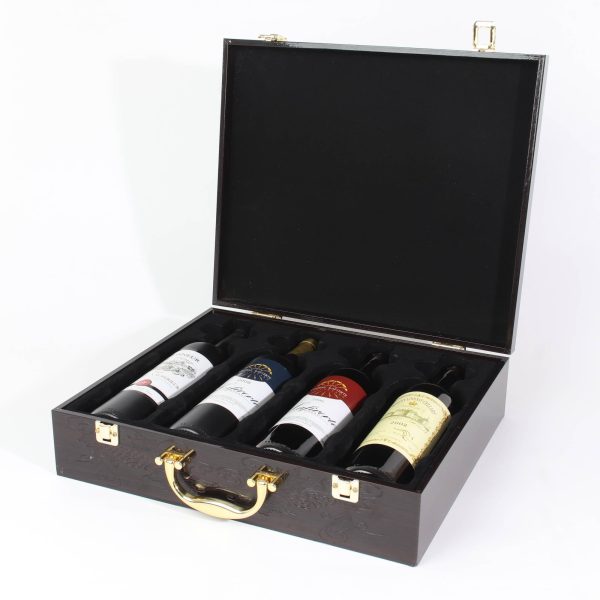
Hochglänzende Holzverpackung für eine Vier-Flaschen-Präsentation
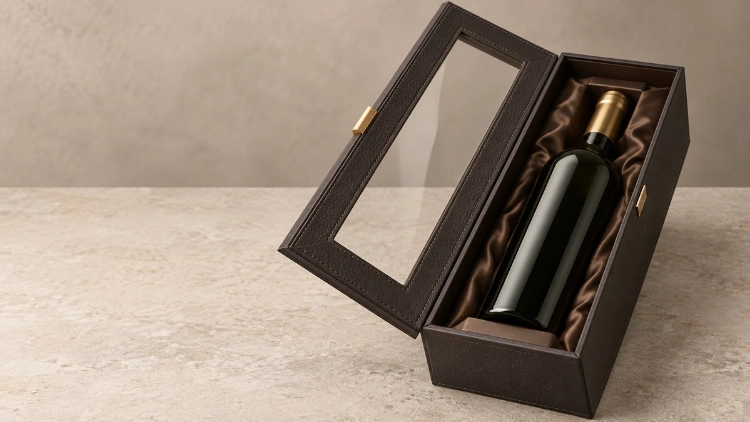
Die Custom Luxus Holz Wein Box mit High Gloss Lack Finish Es ist für vier Standard-Weinflaschen konzipiert. Es kombiniert eine Holzkonstruktion mit einer mehrschichtigen Klavierlackierung, goldfarbenen Beschlägen, einem samtgefütterten Innenraum und maßgefertigten EVA-Schaumstoffeinlagen.
Für die Beschaffung sind präzise Fragen entscheidend: Holzart, Lackfarbe, Glanzgrad, Aushärtungsbedingungen, Kratzfestigkeit, Beschlagoberfläche, Einlagendichte und Verpackungsgewicht müssen bestätigt werden. Die spiegelglatte Oberfläche erfordert besonderen Schutz beim Verpacken und der Kartonhandhabung.
Das Produkt eignet sich für Firmengeschenke, die Warenpräsentation im Einzelhandel und private Sammlungsprojekte. Jeder Anwendungsbereich erfordert jedoch eigene Oberflächen, Beschläge und Verpackungskriterien.
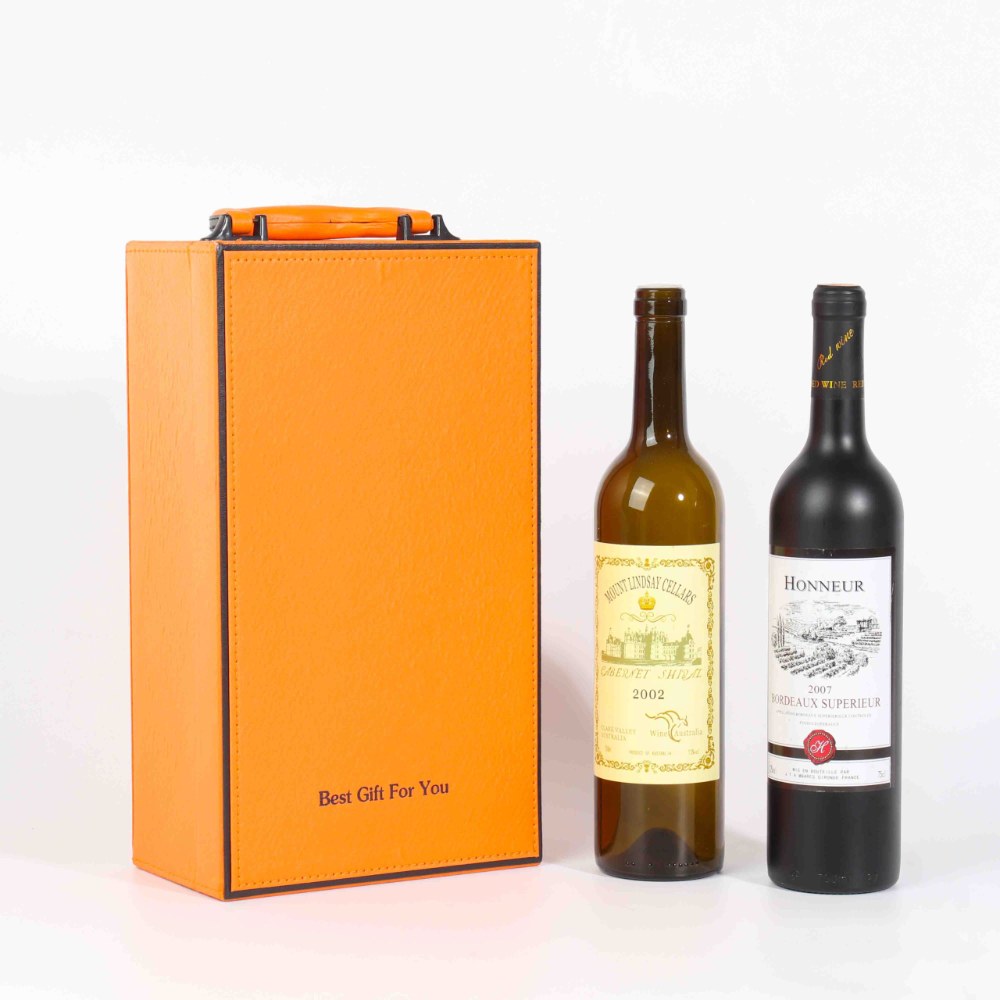
Stabile Verpackung in Lederoptik für ein Doppelflaschen-Set
Die Premium-Geschenkbox aus orangefarbenem Leder für zwei Weinflaschen Das Etui verfügt über eine Oberfläche aus strukturiertem Leder und einen robusten Kartoninnenraum. Es bietet Platz für zwei Standardflaschen (750 ml) und ist mit Aussparungen für Korkenzieher, Folienschneider, Ausgießer und Tropfring ausgestattet. Ein Metallverschluss und ein Ledergriff runden das elegante Design ab.
Der Fokus beim Einkauf sollte auf der Plattenkonstruktion, der Oberflächenbeschichtung, der Naht- oder Kantenverarbeitung, der Griffverstärkung, der Verschlussqualität, der Flaschenfixierung und der Platzierung von Zubehör liegen. Dieses Beispiel verdeutlicht auch, warum Käufer im Angebotsformular zwischen Oberflächenmaterial und Strukturmaterial unterscheiden sollten.
Bei TopWinePackWir können starre und holzbasierte Herstellungsverfahren anhand der gleichen Flaschendaten und Projektbeschreibung vergleichen, wodurch die Anforderungen an Struktur, Oberflächenbeschaffenheit, Kartonverwendung und Inspektion leichter zu bewerten sind.
Was sollte in der Angebotsanfrage und der Musterfreigabe enthalten sein?
Die Angebotsanfrage sollte eine einzige technische Kurzbeschreibung enthalten und nicht separate, unvollständige Anfragen für jedes Material.
Bitte geben Sie Flaschenzeichnungen oder physische Muster, das Füllgewicht, die Flaschenanzahl, Details zum Zubehör, den Verwendungszweck, die Zielmenge, den Bestimmungsort und den Fertigstellungszeitraum an. Fügen Sie visuelle Referenzen hinzu, kennzeichnen Sie jedoch, welche Elemente erforderlich und welche änderbar sind.
Fordern Sie ein Angebot an, das die Kosten für Werkzeuge, Muster, Einheiten, Verpackung und optionale Veredelung separat ausweist. Fragen Sie nach den Abmessungen des fertigen Produkts, den Kartonabmessungen, der Stückzahl pro Karton, dem Bruttogewicht und den Produktionsannahmen. Diese Details sind unerlässlich, um Verpackungsoptionen im Rahmen eines Gesamtprojekts vergleichen zu können.
Bei der Musterfreigabe sind das tatsächliche Material, die Abmessungen, die Farbe, die Oberflächenbeschaffenheit, die Beschläge, die Einlagen, die Verpackungskonfiguration und die zulässigen Abweichungen zu dokumentieren. Das freigegebene physische Muster und die schriftliche Spezifikation dienen als Produktionsgrundlage.
Schlussbetrachtung
Stabile Weinkisten eignen sich oft für markenorientierte Programme, die detaillierte Grafiken, ein kontrolliertes Gewicht und reproduzierbare Spezifikationen erfordern. Weinkisten aus Holz sind besser geeignet, wenn ein robustes Gehäuse, eine hochglänzende Oberfläche, eine ansprechende Präsentation oder eine Sammlerfunktion den zusätzlichen Aufwand bei der Bearbeitung und dem Versand rechtfertigen.
Die Kaufentscheidung sollte auf dem Gesamtprojekt basieren: Materialspezifikation, Werkzeuge, Oberflächenbehandlung, Einlagen, Beschläge, Kartonierung, Qualitätskontrolle und erwartete Wiederverwendung. Hochwertige, kundenspezifische Weinverpackungen definieren sich nicht durch ein Materialetikett. Entscheidend ist, ob die genehmigte Struktur konsistent produziert und innerhalb des kommerziellen Rahmens des Projekts geliefert werden kann.
Um beide Routen anhand eines einzigen technischen Briefings zu vergleichen. Senden Sie Ihre Anforderungen an Flaschen und Verpackungen an unser Team..
FAQ (häufig gestellte Fragen)
F: Welche Option lässt sich leichter für wiederkehrende Bestellungen standardisieren?
A: Starre Kartonagen lassen sich oft leichter standardisieren, wenn Kartonart, Druckvorlagen, Oberflächenbehandlung und Abmessungen festgelegt sind. Holzbasierte Projekte können zwar auch wiederholt werden, jedoch erfordern Material-, Beschichtungs- und Beschlagabweichungen eine genauere Kontrolle.
F: Welche zusätzlichen Informationen werden für eine hochglänzende Holzbox benötigt?
A: Käufer sollten die Holzspezifikation, das Lacksystem, den Glanzgrad und die Farbreferenz, den akzeptablen Oberflächenzustand, die Hardware-Ausführung, die Details der Einlagen, den individuellen Schutz und das Verpackungsgewicht bestätigen.
F: Sollten Käufer Angebote nur anhand des Stückpreises vergleichen?
A: Nein. Ein fairer Vergleich sollte Werkzeugkosten, Probenahme, Verpackung, Kartonverbrauch, Bruttogewicht, Inspektionskosten und mögliche Nachbestellungskosten berücksichtigen.