Custom Wine Packaging: Five Common Mistakes That Instantly Make Your Premium Wine Look Cheap

Custom Wine Packaging: Five Common Mistakes That Instantly Make Your Premium Wine Look Cheap

Table of Contents

    Custom Wine Packaging: Five Common Mistakes That Instantly Make Your Premium Wine Look Cheap

    A premium wine does not enter the market as liquid alone. Long before a buyer notices aroma, vintage, or finish, the packaging has already shaped a commercial judgment. In retail, gifting, hospitality, and brand presentation, that judgment can raise perceived value or reduce it immediately.

    This is why wine packaging deserves more discipline than many projects receive. A wine box is not only a protective shell. It is part of the pricing logic, part of the brand signal, and part of the buyer’s first tactile experience. When the package feels inconsistent with the bottle inside, the product appears less credible, less refined, and less worth its intended position.

    Many premium wines lose value not because the bottle is weak, but because the package sends the wrong message. The most common mistakes are usually not dramatic. They are small decisions in structure, finish, material, and presentation that quietly make a premium product look ordinary. For B2B brands planning custom wine packaging, these are the five mistakes that deserve the closest attention.

    Mistake One: Trying to Prove Luxury Through Excess

    The first mistake is visual overstatement. Many brands still equate premium positioning with more decoration, more metallic detail, more embossing, more symbols, and more surface treatment. The result is often visual tension rather than premium clarity.

    A high-end wine box does not gain authority by crowding every panel. It gains authority through hierarchy. The eye needs a clear path. The logo, structure, color relationship, and finish should work together instead of competing for attention.

    What premium buyers usually read as “high-end.”

    When decision-makers evaluate wine packaging, they often respond more positively to control than to ornament. Clean spacing, measured contrast, disciplined typography, and well-judged surface treatment usually create a stronger premium impression than overloaded decoration. This is especially true in custom wine packaging for corporate gifting, winery programs, private-label projects, and branded presentation sets.

    An expensive-looking box is not necessarily a premium one. In many cases, true premium expression comes from restraint. A box that leaves room for the bottle, the logo, and the material to speak will usually perform better than one that tries to announce value through constant visual force.

    Mistake Two: Using Materials That Fail the Touch Test

    The second mistake becomes visible as soon as the box is handled. The package may look acceptable from a distance, yet the tactile experience weakens the entire product position. Thin board, unstable corners, a rough wrap surface, weak handles, or inconsistent finishing can make a premium bottle feel less convincing the moment it is picked up.

    This matters because material quality is part of price communication. A buyer does not separate structural quality from brand quality. If the wine box feels light, soft, or poorly finished, the bottle inside also appears less trustworthy.

    Before going deeper into the structure, one point deserves emphasis. Premium wine packaging must satisfy two standards at once. It needs to communicate value in hand, and it needs to hold that value through shipping, storage, and repeated handling. A box that looks refined in a static image but loses form in practical use cannot support long-term brand positioning.

    Why does material choice directly affect perceived value

    A rigid board structure, a stable outer wrap, a consistent surface finish, and a reliable carrying component are not decorative upgrades. They are the physical basis of premium packaging. This is where many B2B projects succeed or fail.

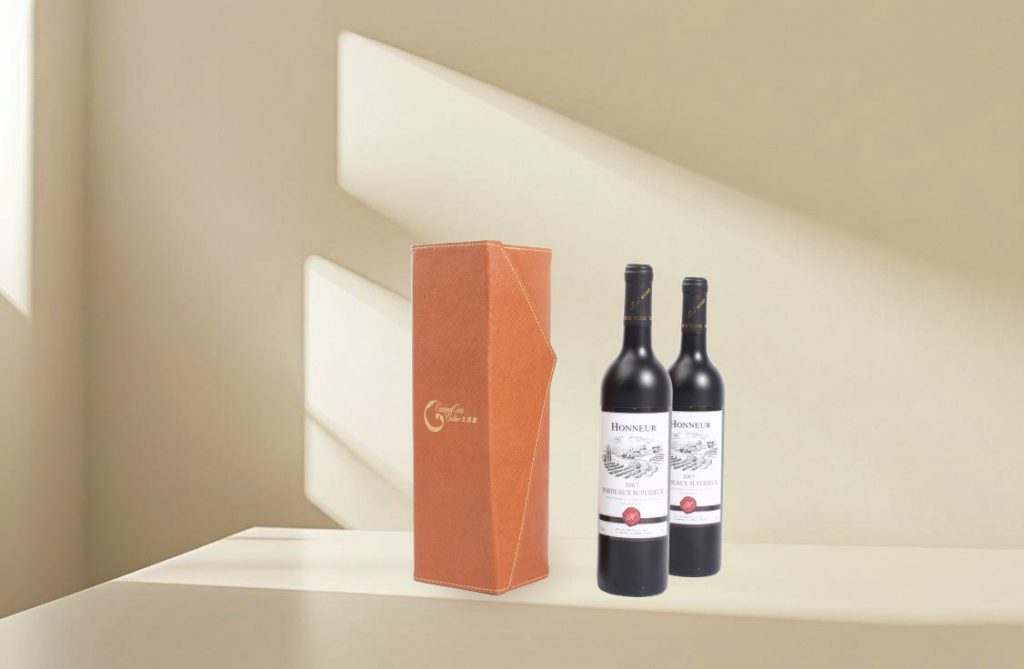
    A practical reference is the Custom Fashion Foldable Magnetic Wine Boxes For Single Bottle, developed as a single-bottle foldable wine box using 1200g gray cardboard, textured specialty paper, magnetic closure, integrated lining, and a PP handle. That combination reflects a useful principle for premium wine packaging: the structure must feel dependable before any premium message can be trusted.

    For custom wine packaging programs, the material decision should therefore begin with board strength, finish consistency, and tactile credibility. Graphics can elevate a good structure, but they cannot rescue a weak one.

    customized oem bag in box for wine

    Mistake Three: Ignoring the Unboxing Experience

    The third mistake is to treat packaging as a static object rather than a sequence of actions. Premium wine packaging is not judged only when closed. It is judged when carried, opened, viewed, and handled. If the opening motion feels awkward, the bottle sits loosely, the lining looks misaligned, or the closure lacks precision, the sense of quality declines immediately.

    In premium categories, unboxing is part of the product itself. The box should open with intention. The bottle should feel secure, not trapped or unstable. The interior should appear deliberate, not improvised. These details shape whether the buyer experiences the wine box as refined or merely decorative.

    A premium wine box must feel controlled from start to finish

    This is particularly important for gifting and branded presentation. In those settings, the first opening moment often acts as a confirmation of price. If the package creates friction, confusion, or visible inconsistency, the buyer may question the value of the bottle before tasting begins.

    That is one reason a foldable wine box requires disciplined engineering. A foldable structure can be commercially efficient, but it must still maintain premium behavior in use. The magnetic closure must align properly. The corners must assemble cleanly. The inner fit must stabilize the bottle. The carrying experience must remain balanced. Without these conditions, the format begins to look like a compromise rather than an intelligent packaging solution.

    For B2B buyers, this is not a minor aesthetic issue. It affects complaints, presentation quality, repeat orders, and whether the packaging truly supports the product’s intended price band.

    Mistake Four: Designing for Visual Impact but Not for Logistics

    The fourth mistake appears later in the project cycle, often after the design has already been approved. The box looks premium on display, yet performs poorly in storage, freight planning, packing efficiency, or export handling. In other words, the wine packaging succeeds visually but fails commercially.

    This problem is common in projects that focus too narrowly on shelf presence. Premium presentation remains essential, but a B2B packaging program also needs to work in warehouses, containers, and shipping cartons. If the structure consumes too much space, raises transport cost unnecessarily, or complicates packing operations, it weakens the business case behind the design.

    Before discussing format choice, one point should be clear. A commercially strong wine box is not the one that looks most expensive in isolation. It is the one that keeps its premium impression while moving efficiently through the supply chain.

    Why a foldable wine box can be a stronger business decision

    This is where the foldable wine box becomes especially relevant. When the structure is developed properly, it preserves a premium appearance while improving storage and freight efficiency. That balance is valuable for wineries, gift programs, branded launches, and export-driven packaging projects.

    The single-bottle magnetic format mentioned earlier reflects this logic well. It keeps a rigid presentation language while using a foldable structure that can reduce transport volume by up to 70 percent. For many B2B buyers, that is not a secondary feature. It directly affects landed cost, warehousing efficiency, and packaging scalability.

    A premium wine box should therefore be evaluated not only by how it looks when fully assembled, but also by how intelligently it behaves before assembly, during shipment, and across repeated commercial use.

    Mistake Five: Separating Packaging Design from Brand Position

    The fifth mistake is the most serious because it affects the whole project rather than one detail. Some brands approve a wine box that looks polished in isolation but does not actually match the brand’s market role, target scenario, or customer expectations.

    A premium corporate gift wine should not look like a festive seasonal novelty. A younger lifestyle release should not feel heavy and dated. A refined single-bottle custom wine packaging concept should not borrow the visual language of mass retail multipacks. When packaging and brand position move in different directions, even good execution produces a weak result.

    A wine box factory must solve alignment, not only execution

    This is why the role of a wine box factory in OEM/ODM projects is more strategic than many teams assume. The task is not merely to print artwork and convert the board. The task is to translate positioning into structure, finish, scale, and use logic.

    That requires decisions about whether the project needs a rigid box, a foldable wine box, a magnetic wine box, a handled format, or a more ceremonial opening style. It also requires clarity about the sales channel, freight constraints, bottle format, gifting purpose, and expected tactile level. When those choices are aligned early, the final wine packaging looks coherent because it is coherent.

    For B2B clients, this kind of alignment often determines whether packaging becomes a cost center or a value asset. A well-developed custom wine packaging project does more than protect the bottle. It strengthens the selling context around it.

    What Good Wine Packaging Should Do Instead

    A strong wine box should achieve several goals at once. It should communicate value clearly, protect the bottle securely, support the brand position accurately, and move through storage and freight with reasonable efficiency. When one of these functions is missing, the premium impression weakens.

    That is why good wine packaging is rarely the result of surface styling alone. It comes from proportion, material credibility, structural control, opening quality, and commercial logic. For many premium single-bottle projects, a foldable magnetic format offers a sound answer because it supports appearance and logistics together rather than forcing a trade-off between them.

    In practice, the most successful custom wine packaging projects are usually the ones that avoid excess, respect tactile quality, refine the unboxing sequence, and match packaging form to the actual business objective. When those principles are in place, the wine box begins to justify the bottle instead of distracting from it.

    Jialan Package develops custom wine packaging through Topwinepack as a dedicated wine and spirits packaging platform. We focus on OEM/ODM wine box and wine bag projects built around structure, presentation, and production feasibility. For brands seeking a premium single-bottle format, foldable magnetic designs can offer a useful balance of rigidity, portability, and freight efficiency. More about our wine packaging direction can be found at Topwinepack. If a current project needs a more precise packaging path, contact us.

    FAQ

    Q: What makes wine packaging look premium instead of cheap?
    A: Premium wine packaging depends on control rather than excess. Clear hierarchy, strong materials, stable structure, and a refined opening experience usually create a higher-value impression than overloaded decoration.

    Q: Is a foldable wine box suitable for premium wine brands?
    A: Yes. A foldable wine box can work well for premium projects when the board strength, closure precision, bottle fit, and finish quality are all developed to a high standard. The format can preserve premium presentation while improving storage and freight efficiency.

    Q: What should B2B buyers evaluate when choosing a wine box factory?
    A: B2B buyers should look at structural judgment, custom development capability, material consistency, and whether the packaging can match brand position, bottle format, and commercial use scenario, rather than focusing on graphics alone.


    Share This Post :

    SEARCH

    POPULAR POSTS

    Foldable Magnetic Wine Boxes For Single Bottle
    Foldable Wine Box vs Traditional Rigid Wine Box: Which is Better for Your Wine Bottle?
    Custom Wine Packaging Guide 2026 How to Balance Luxury, Protection, and Portability?
    Custom Wine Packaging Guide 2026: How to Balance Luxury, Protection, and Portability?
    The Complete Guide to Boxed Wines Custom for 2026
    The Complete Guide to Boxed Wines Custom for 2026
    Luxury Wine Gift Box Custom Strategically Using Window Displays to Enhance the Retail Experience
    Luxury Wine Gift Box Custom: Strategically Using Window Displays to Enhance the Retail Experience
    Custom Wine Packaging: Five Common Mistakes That Instantly Make Your Premium Wine Look Cheap
    Custom Wine Packaging: Five Common Mistakes That Instantly Make Your Premium Wine Look Cheap
    Luxury Wine Gift Box Trends for 2026 :Custom Double-Bottle Packaging, Faux Wood Finishes, and Premium Unboxing
    Luxury Wine Gift Box Trends for 2026: Custom Double-Bottle Packaging, Faux Wood Finishes, and Premium Unboxing
    A Comprehensive Guide to Custom Luxury Wine Box Manufacturing Trends for 2026
    A Comprehensive Guide to Custom Luxury Wine Box Manufacturing Trends for 2026
    Everything You Need to Know About Customizing Wine Boxes in China
    Everything You Need to Know About Customizing Wine Boxes in China
    How to Customize Luxury Leather Wine Bags with Gold Foil Brand Logo Embossing?
    How to Customize Luxury Leather Wine Bags with Gold Foil Brand Logo Embossing
    Custom Wine Box Manufacturing in 2026: A Comprehensive Guide to Sourcing Foldable Cardboard Boxes from a Top Factory
    Custom Wine Box Manufacturing in 2026: A Comprehensive Guide to Sourcing Foldable Cardboard Boxes from a Top Factory

    Have Any Queries?