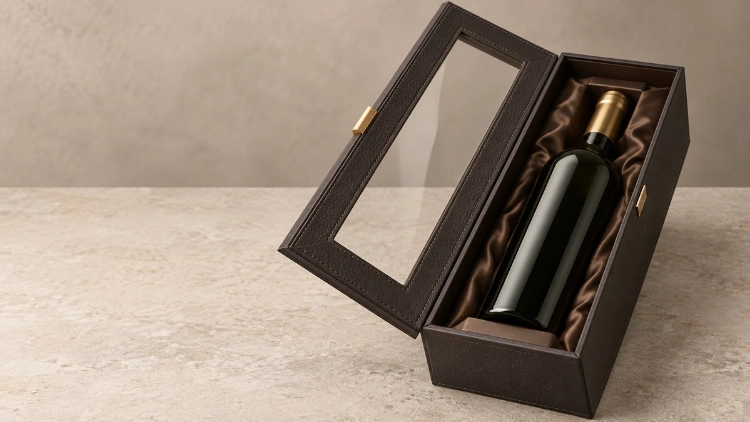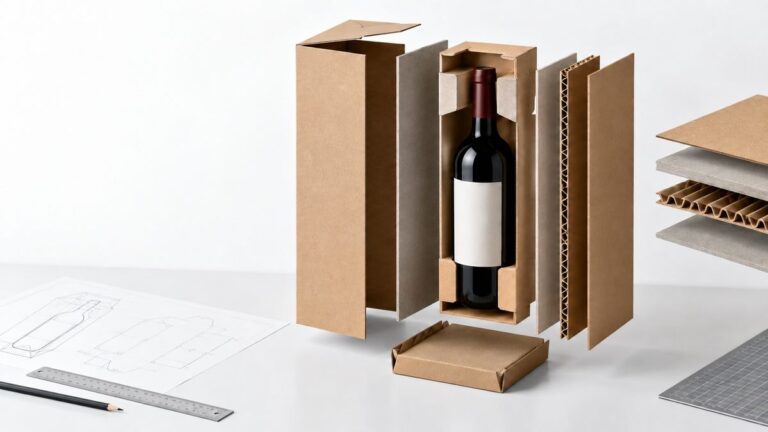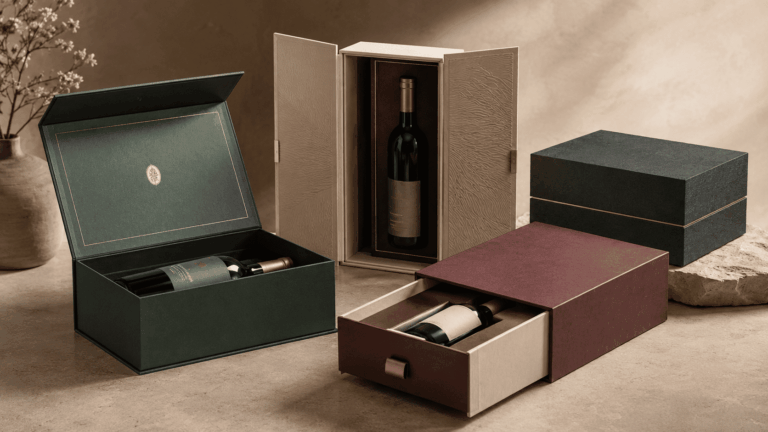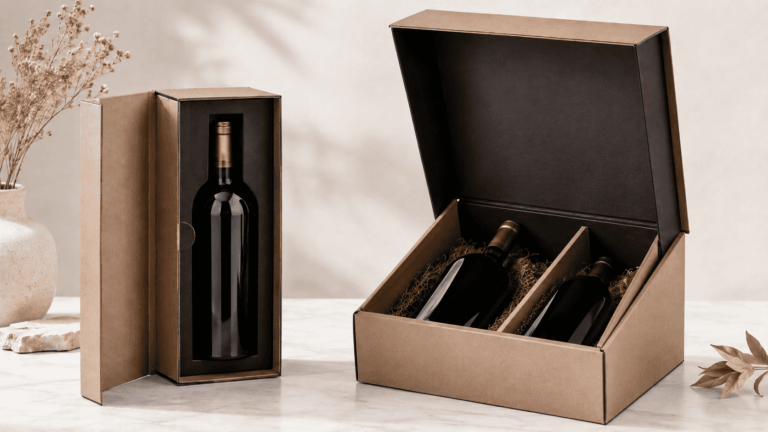

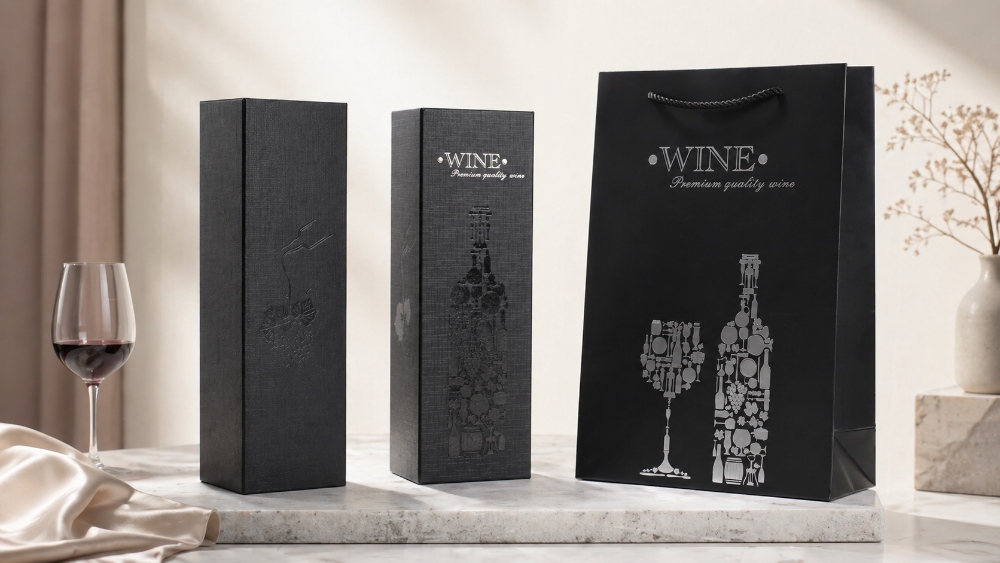
Boxed wines custom in 2026 should be read as custom boxed wine packaging for bottled wine, especially gift-ready wine boxes designed for B2B presentation. It is not only about placing a bottle inside a decorative case. A strong boxed wine packaging plan should protect the bottle, support brand recognition, fit the sales channel, and create a polished gift impression for retail, corporate gifting, holiday campaigns, and event projects.
This guide explains how to plan custom boxed wine packaging from structure to finish. The practical questions are simple but important: does the box fit the bottle, does the material match the wine position, does the finish support the brand, and does the package work during real handling?
Why Custom Boxed Wine Packaging Matters in 2026
Custom wine boxes now carry more business value than a simple outer package. They define the first physical contact with the product, help the bottle appear gift-ready, and give the brand space for color, texture, logo treatment, and visual storytelling. For B2B buyers, boxed wine gift packaging should create a clear impression before the bottle is opened.
This is why boxed wines custom projects need more planning than standard decorative packaging. A box may look refined in a product image, but it still needs stable structure, suitable material, clean finishing, and practical handling. A matching wine bag can be added when carrying convenience matters, but the main decision should begin with the wine box itself.
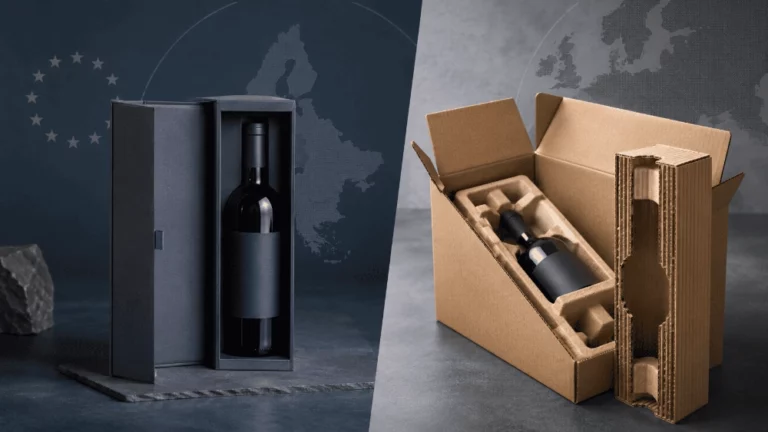
Start with Bottle Fit, Box Structure, and Protection
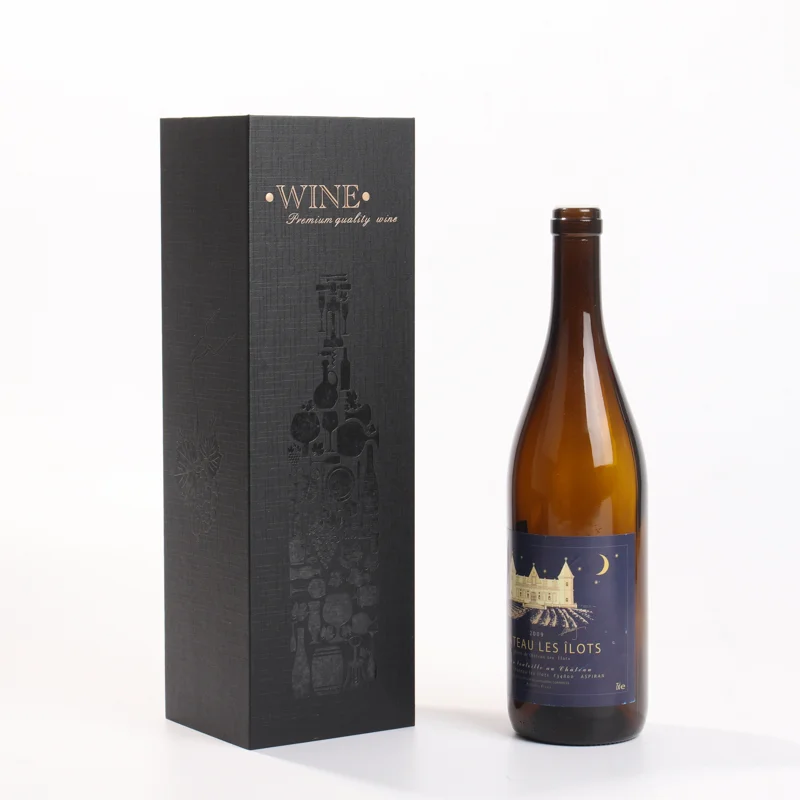
Bottle fit is the first technical detail in custom boxed wine packaging. Standard 750ml wine bottles are common, but bottle height, shoulder shape, glass weight, and label position can still vary. A custom wine box should hold the bottle securely and reduce movement inside the structure. If the bottle shifts too much, the package feels less reliable and the gift experience becomes weaker.
The inner lining deserves close review. It should support the bottle body and help keep the neck and shoulder stable during normal handling. The flap closure should close cleanly without forcing the box shape. If a wine bag is used as part of the set, it should fit the filled box smoothly and carry the weight with a firm handle and stable base.
For premium wine packaging, structure often matters more than decorative complexity. B2B buyers should test a physical sample with the real bottle, lift the package, tilt it, and check whether the bottle moves.
Choose Materials That Match the Wine’s Market Position
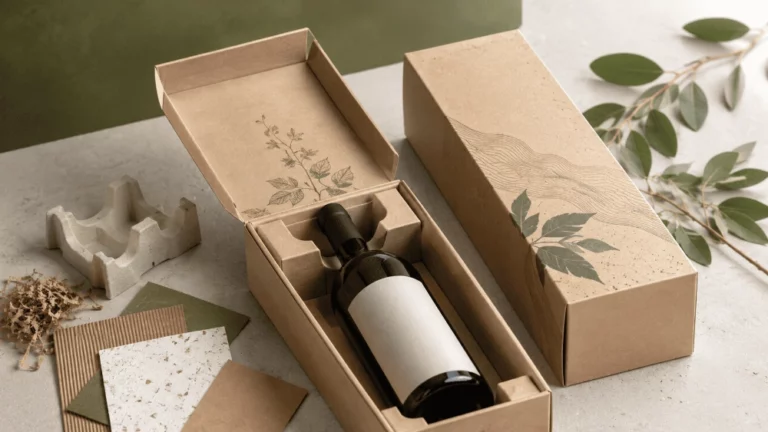
Material choice shapes the perceived value of boxed wine packaging. Rigid cardboard is suitable for many wine gift boxes because it creates firm edges, holds shape well, and gives the product a formal gift appearance. Paper-based matching bags can support the same presentation when the paper weight, handle, and bottom structure are suitable for the filled package.
The material should match the wine’s price position and sales use. A corporate gift project usually needs a clean, stable, and professional look. A holiday campaign may allow richer color and more visible finishing. A retail display package should look gift-ready while remaining practical for storage, handling, and customer purchase.
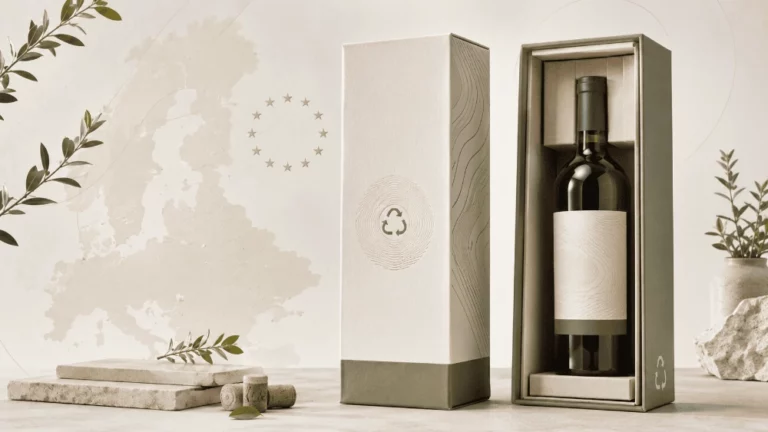
Sustainable wine packaging is also part of the 2026 decision process. Many brands prefer recyclable or reusable materials, but sustainability should not weaken function. A recyclable wine box still needs to protect the bottle, and a reusable carrying bag should remain strong enough for normal gift delivery.
Build a Custom Visual System for Boxed Wine Presentation
A custom wine box should not rely on decoration without direction. The main color, logo position, pattern style, and finish should form one visual system. If a matching wine bag is included, it should extend the same design language rather than introduce a separate style.
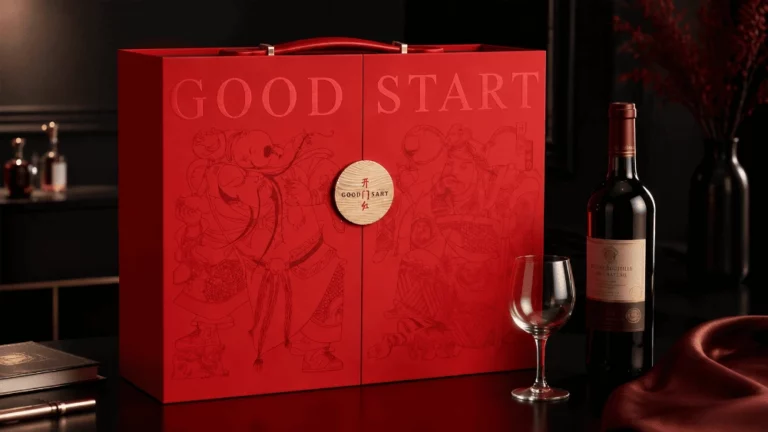
Dark colors such as black, burgundy, deep green, and navy can support a mature premium style. Gold or silver details can add value when used carefully. Kraft tones, soft neutrals, and restrained illustrations can work for brands that prefer a natural or modern look.
Logo use also needs discipline. A clear logo on the box and a smaller repeated mark on the bag can feel more refined than oversized graphics on every visible surface. Negative space, controlled contrast, and a limited finish area often make boxed wine presentation look more formal for B2B gifting.
Use Finishing Details to Raise Perceived Value
Finishing processes can improve custom boxed wine packaging when they serve a clear purpose. Foil stamping can highlight the logo or a small decorative element. UV printing can add depth to selected areas. Embossing can create a tactile effect that feels premium without making the package visually crowded.
The key is restraint. Too much shine, too many patterns, or too many process effects can make the box look less refined. Premium wine packaging usually performs better when one or two details become the focus and the rest of the surface stays clean.
Production consistency should also be checked before confirmation. Color, foil edges, logo position, surface alignment, and box closure should all be reviewed before the project moves forward.
Match Custom Boxed Wine Packaging to the Use Scenario
Different B2B uses need different packaging priorities. Corporate gift projects need a formal appearance and reliable carrying experience. Retail gift sets should look ready for purchase and gifting. Event packages need consistent presentation and easy distribution. Holiday campaigns may use stronger color and festive detail, but the structure still needs to feel stable and professional.
A Practical Custom Boxed Wine Packaging Reference
For B2B buyers looking for custom boxed wine packaging with a coordinated gift presentation, the Lined Flap-Top Wine Gift Boxes with Wine Bags offers a practical reference. This product combines a black wine gift box with a matching carry bag. It is made for standard 750ml wine bottles and uses high-quality rigid cardboard with a kraft paper bag. The visual style includes silver foil printing and UV print effects, giving the package a formal appearance for business gifts, holiday presents, and wedding favors.
The inner lining helps keep the bottle stable, while the matching wine bag improves carrying convenience and makes the final gift feel more complete. This type of boxed wines custom solution is useful when the buyer needs custom wine packaging that looks premium but still remains practical for real gift use.
The product also supports custom design needs such as logo hot stamping, size-related adjustment, and packaging style changes. These options help wine brands, retailers, and gift projects build packaging that follows an existing brand identity rather than a generic visual direction.
How TopWinePack Relates to Jialan Package
TopWinePack is the wine packaging brand connected with Jialan Package. The brand focuses on custom wine boxes, wine bags, and project-based wine gift packaging, while Jialan Package provides the manufacturing and customization base behind the category. This relationship helps B2B buyers discuss structure, material choices, finish direction, sample needs, and order details in one project flow.
The company’s wine packaging work is centered on custom development rather than ready-made mass resale. For buyers preparing artwork, bottle information, and packaging goals, the OEM/ODM custom wine boxes and bags service can support structure selection, material choice, logo treatment, and sample confirmation. Through Jialan Package, we support projects that need visual value and stable custom production.
Final Checklist for Boxed Wines Custom Projects in 2026
Before confirming custom boxed wine packaging, buyers should check the bottle size, box fit, inner lining stability, material strength, print quality, finish accuracy, and carrying needs. The bottle should fit without excessive movement. The surface should match the brand’s price position. The package should also suit the final use, whether that is corporate gifting, retail display, event distribution, or seasonal promotion.
A complete boxed wine packaging project should protect the bottle, present the brand clearly, and support real handling from sample review to final delivery. In 2026, custom wine boxes should not be selected only by appearance. They should work as structured, brand-focused, and practical packaging systems.
For custom wine gift boxes, boxed wine presentation, and project-based wine packaging development, contact us to discuss bottle size, artwork, material direction, and packaging requirements.
FAQ
Q: What does boxed wines custom mean for B2B packaging?
A: In this guide, boxed wines custom refers to custom boxed wine packaging for bottled wine. It focuses on wine gift boxes, structure, materials, finishes, and related carrying options for B2B presentation.
Q: What should buyers check before ordering custom wine boxes?
A: Buyers should check bottle fit, inner lining stability, box strength, material feel, print accuracy, foil effect, closure quality, and sample consistency. These details affect both protection and final brand impression.
Q: Can custom boxed wine packaging include a matching wine bag?
A: Yes. A matching wine bag can support carrying convenience and make the gift presentation more complete. It should match the box in color, material level, logo treatment, and intended use.