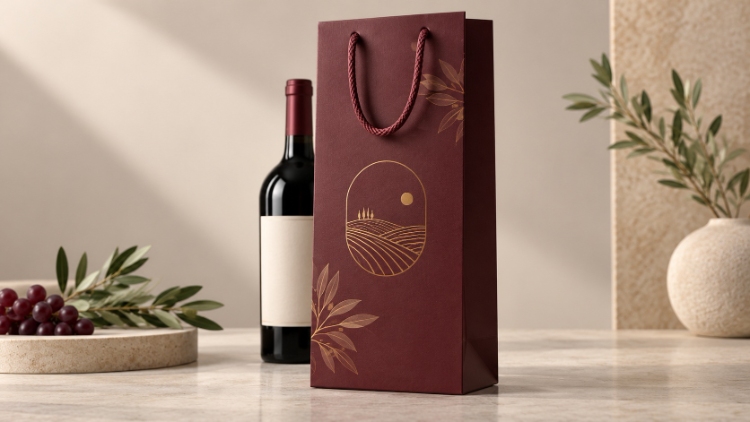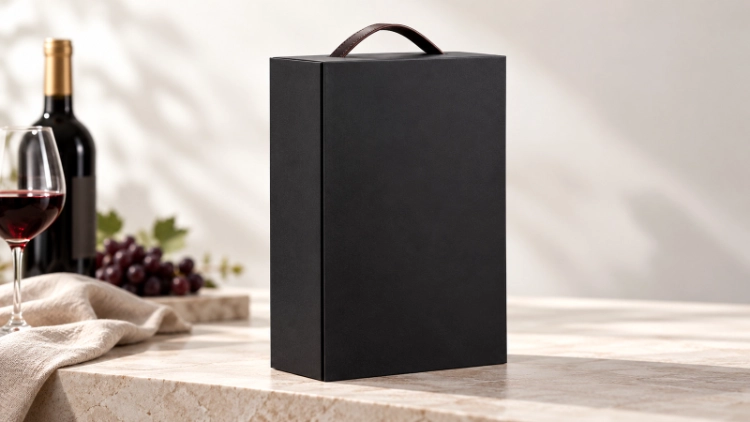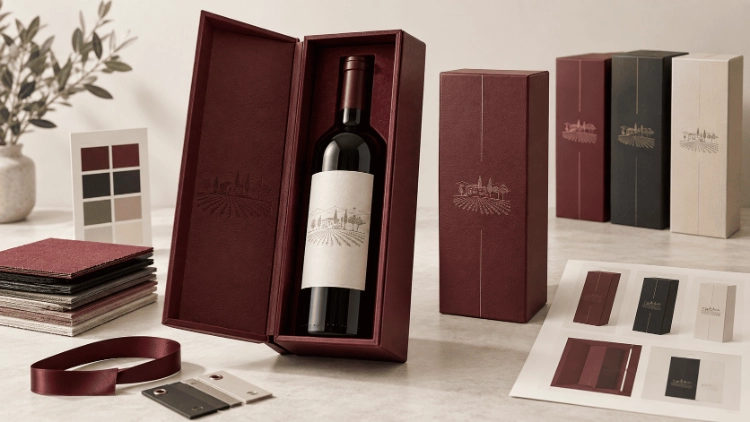

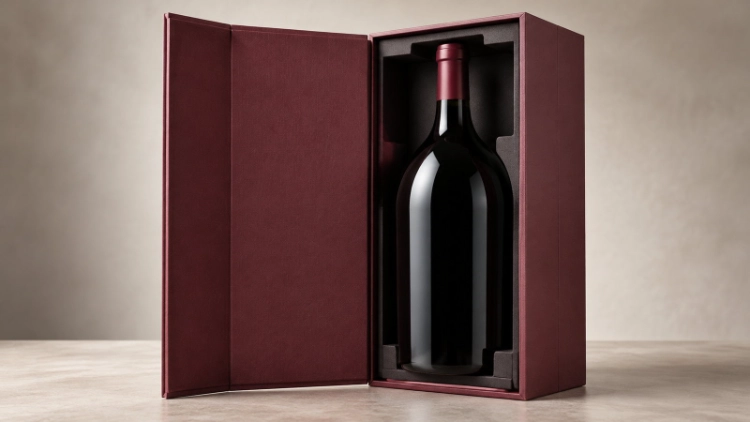
A 1.5L Magnum contains twice the wine of a 750ml bottle, but its box does not simply scale up by the same factor. Bottle makers use different profiles. Height, body width, shoulder, base and closure all affect the fit; two bottles with the same capacity can sit very differently in a gift box.
Draw a custom Magnum wine gift box around the bottle that will actually go inside it. The 1.5L label gives the volume, not the finished dimensions. Send the glassmaker’s drawing or a physical bottle before fixing the insert, lid clearance and outer structure. That is the starting point for reliable Magnum bottle packaging. The 1.5L wine bottle box should follow those measurements, not a nominal capacity chart.
Why Does a 1.5L Magnum Bottle Need a Custom Gift Box?
A 1.5L Magnum bottle needs more than a larger version of a standard wine gift box. Its height, body diameter, shoulder shape, and base can vary depending on the bottle design. Even a small difference in these measurements can affect how the bottle sits inside the box, how the lid closes, and whether the package remains stable when carried.
When developing custom Magnum wine gift boxes, the actual bottle dimensions should guide the design from the beginning. The insert, internal clearance, and outer structure all need to accommodate the bottle without making removal difficult or compromising its presentation. A well-fitted box should hold the bottle securely while giving the winery enough room to create the intended luxury appearance.
Which Measurements Are Needed for a Custom Magnum Wine Box?
Bottle Height and Closure Clearance
Measure from the bottom of the glass to the top of the finished closure. A capsule or decorative stopper adds height; a protruding cork changes the clearance under the lid. Use the bottle and closure intended for production, and keep any glassmaker tolerance in the drawing.
The bottle should sit in its intended position while leaving room for the lid to clear the closure. Set that space through the sample, not by copying a generic chart. Too little makes packing awkward; too much lets the bottle move when carried.
Body Diameter, Base Size, and Shoulder Profile
Take two diameter measurements: the widest part of the body and the base. The shoulder profile shows where the bottle narrows. A useful drawing includes side and base views, with the widest point, base ring and shoulder transition marked. Add the neck diameter and any unusual heel or punt. Keep the measurement references consistent throughout the drawing.
An insert made for a narrow Bordeaux bottle can leave a wider Burgundy bottle loose. It can also press against the shoulder if the cavity narrows in the wrong place. For projects with several Magnum profiles, test each bottle; do not assume one cavity will fit them all. A close fit around the body does not guarantee a safe shoulder fit.
Filled Weight, Label Position, and Orientation
Weigh the bottle with its final closure. That is the load the base and handle will carry. If the bottle appears through a window or stands upright when opened, mark the label position on the drawing. An insert lip across the main label spoils the presentation even when the bottle is secure. Record that position before the insert is cut.
How Should the Box Dimensions and Insert Be Designed?
Start with the internal cavity. It must clear the widest part of the bottle, allow for the insert and still hold the bottle steady. Calculate the outer size after adding board thickness, wrap, folds and lid construction. A generic allowance on the bottle dimensions can leave one area tight and another wastefully large. Allow for tolerances in both the glass and packaging components.
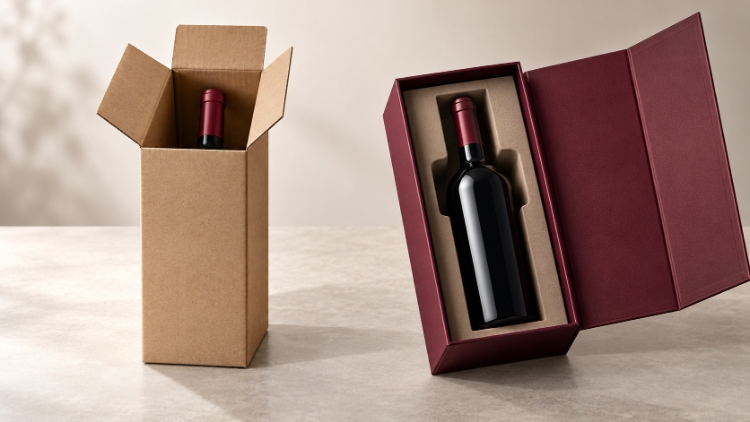
The insert should hold the bottle at points that suit its shape. A base cradle takes load off the glass contact point; a shoulder or neck support limits movement when carried. The bottle should lift out without being pulled by its neck or scraped along the label. Test it in the position the customer will receive it. Support should not concentrate pressure on one narrow point.
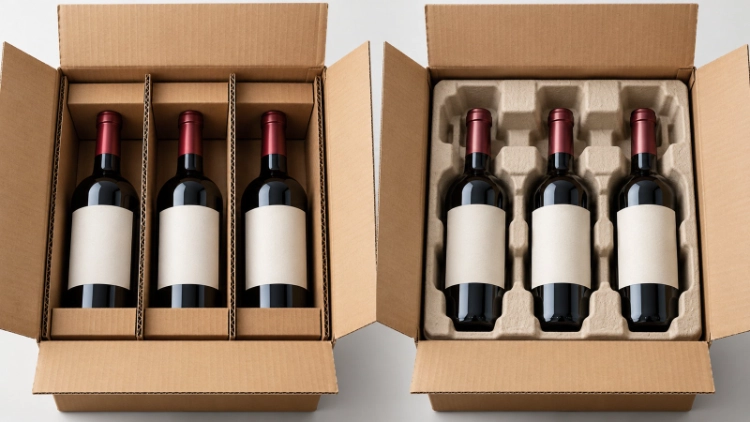
TopWinePack lists EVA foam, velvet trays, blister components and paper molds among its insert options. None suits every Magnum. A foam cavity may fit one profile; a paper insert may work better with another structure. Keep the bottle drawing beside the insert section and the internal and external dimensions in the custom wine box dimensions guide. The selected insert also affects the final appearance and assembly.
Which Box Structures Work for Luxury Magnum Packaging?
Rigid Lid-and-Base and Magnetic Structures
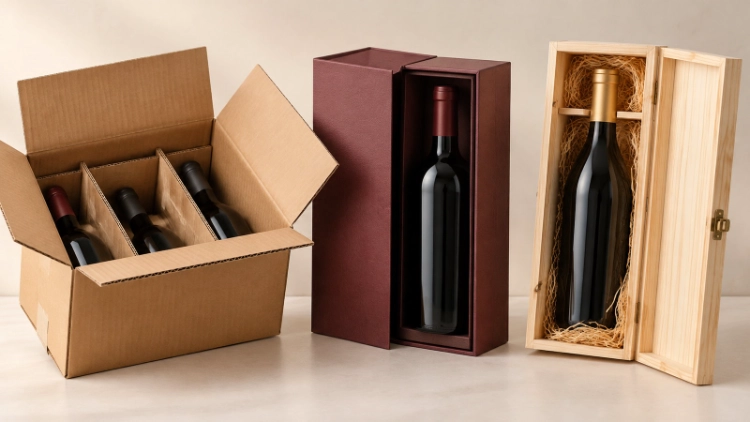
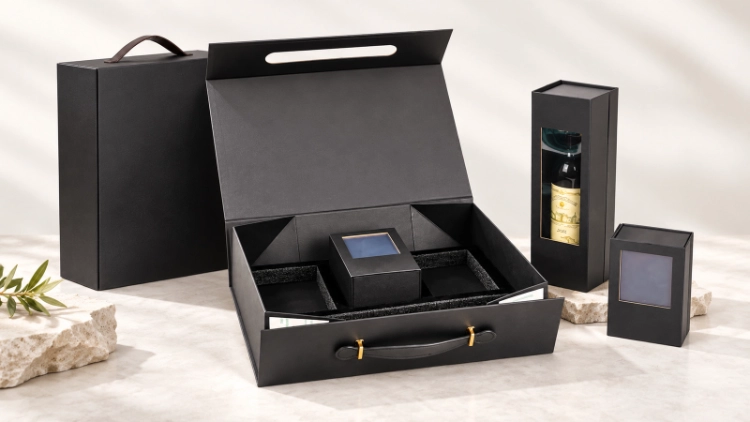
A lid-and-base box has a separate top and bottom. A book-style magnetic box opens on a hinge and gives more room for a front-panel reveal. Either can house one Magnum if the insert supports the bottle and the lid clears the closure. TopWinePack’s custom wine box range includes several structures. Test the filled magnum wine box before choosing the closure; the magnet should hold the lid without shifting the bottle when opened. The opening should feel deliberate, not loose or stiff.
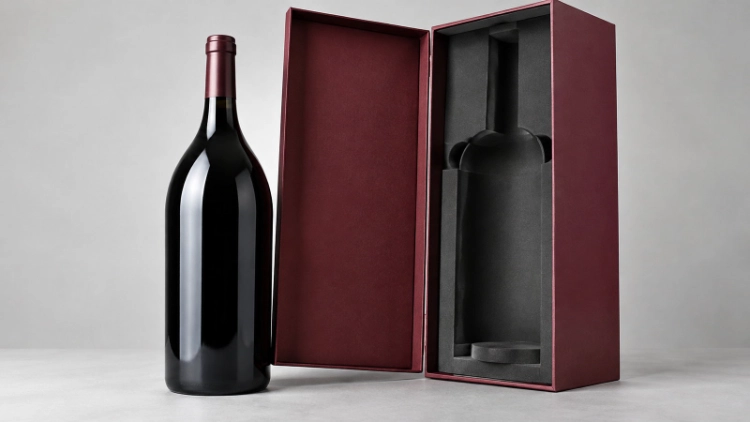
TopWinePack’s custom rigid double-door wine gift box shows a rigid-cardboard structure with two opening panels and customizable dimensions and finishes. It is not a ready-sized Magnum model. Treat it as a reference; build the interior around the selected 1.5L bottle. Approve the sample before treating the structure as production-ready.
Double-Door, Drawer, and Wooden Gift Boxes
Double doors create a wide reveal; a drawer box presents the bottle as the tray slides out. The mechanism matters. A loaded drawer that binds or doors that catch the insert will spoil the presentation. Mock up the opening sequence before signing off the artwork and finish. These checks are easier before tooling and artwork are locked.
A wooden case suits collector projects where a substantial exterior is part of the presentation. TopWinePack’s documented lacquered example is specified for up to four standard bottles, not a 1.5L Magnum. A new design needs its own check of panel dimensions, insert, hardware, weight and sample fit. Do not assume a standard-bottle specification carries over.
How Can Luxury Finishes Improve Magnum Wine Presentation?
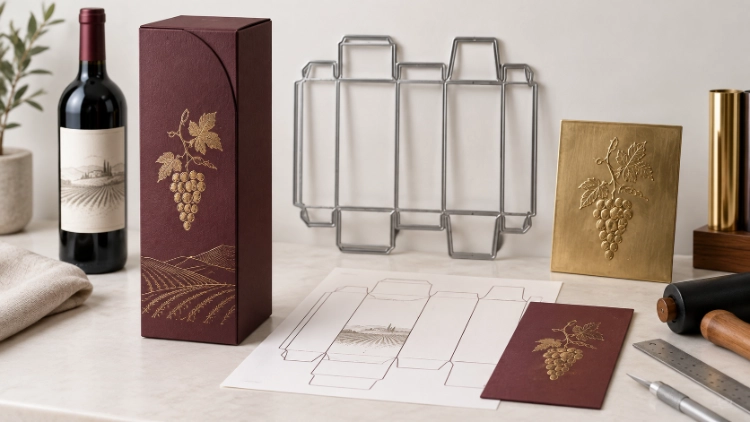
For luxury wine packaging, use the finish to give the winery’s mark a clear place on the box. Specialty paper or a textured wrap may carry the design on its own; foil or embossing can pick out a vintage name or emblem. Spot UV suits selected printed areas when the stock allows it. Keep the wine label visible if the bottle is part of the reveal. A restrained finish often keeps the box from looking crowded.
Check hardware on the sample. Magnets must line up, ribbon pulls should be easy to grip, and latches or handles must suit the loaded box. A screen proof cannot show foil reflection or paper texture, so approve a physical sample when those details matter. For parcel delivery, specify a protective outer carton separately. Check the fit again after the wrap and hardware are installed.
What Should Be Checked Before Approving a Magnum Gift Box Sample?
Use the actual 1.5L bottle or a production-equivalent sample. Set it in the insert and close the box. Does the lid clear the closure and shoulder? Lift the filled package by its intended handle and look for bottle movement, panel distortion or strain around the base. Open and close it several times to check alignment and movement. Use the same closure and bottle finish planned for the order.
Take the bottle out and put it back. It should stay in place without becoming difficult to remove. Check the label and capsule for scuffing, and make sure no insert edge presses against the glass. For shipping, test the full pack with its outer carton and cushioning. A retail gift box is not automatically a shipper; do not claim transit performance without a documented test. Look for rubbing after several cycles, not just the first removal.
TopWinePack’s OEM/ODM service accepts dimensions, reference designs, quantities and special requirements for quotation, sampling and production.
Send the glassmaker’s drawing and, where possible, a physical bottle. Add the preferred structure, insert, finish and delivery route. A custom wine packaging enquiry can then be based on measurable requirements, not capacity alone. That information gives repeat orders a stable starting point.
Conclusion
Do not approve a Magnum gift box from capacity alone. Use the actual 1.5L bottle to set the cavity and insert, then check that the structure opens cleanly and supports the filled weight. A sample with the final wrap and hardware will expose problems a flat dieline cannot. Approve it before production. This is the practical test for the final custom wine box dimensions.
FAQs
Q1: Is every 1.5L Magnum wine bottle the same size?
A1: No. Magnum describes a 1.5L capacity, but the bottle’s height, diameter, shoulder and base vary by glassmaker and design. Use the actual bottle or its technical drawing when developing custom Magnum wine gift boxes.
Q2: Can a standard 750ml wine gift box be enlarged for a Magnum bottle?
A2: A standard box can provide a visual or structural reference, but its dimensions and insert need to be redesigned for the Magnum bottle’s height, body diameter and filled weight. Simply scaling every panel does not guarantee the right fit or lid clearance.
Q3: Which insert material is suitable for a custom Magnum gift box?
A3: EVA foam, paperboard, paper molds, blister components or lined trays are possible starting points. The right choice depends on the bottle profile, presentation and handling conditions. Test the actual bottle in the insert before approving the finished magnum wine box.