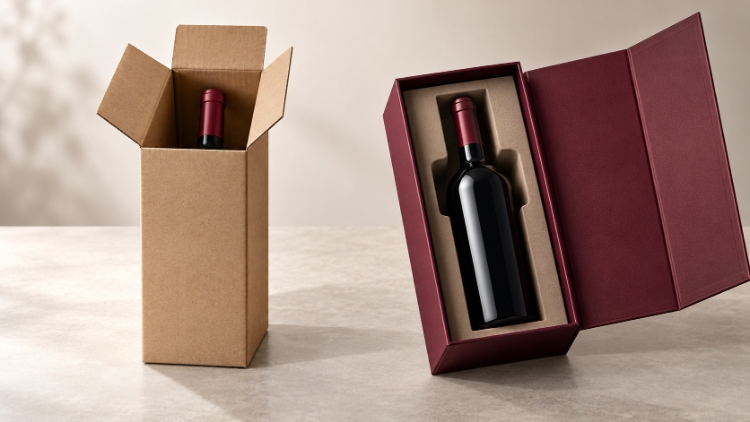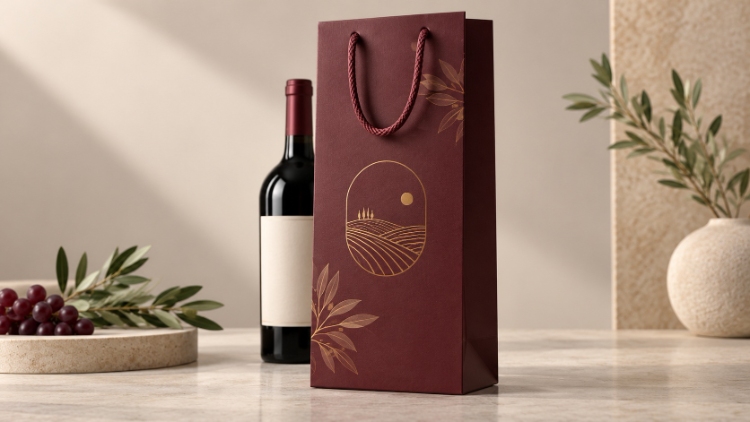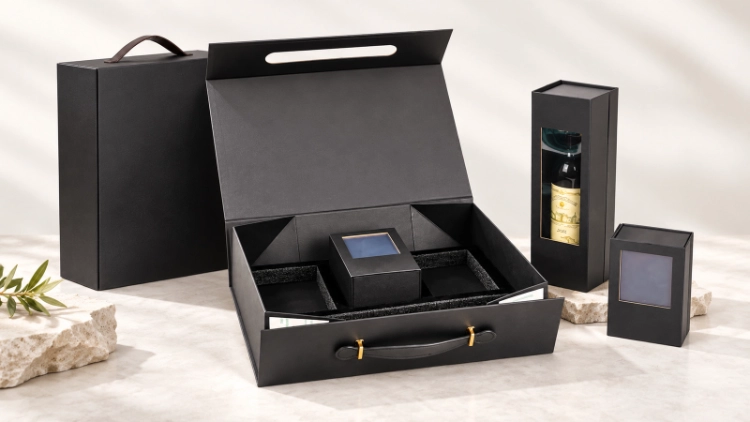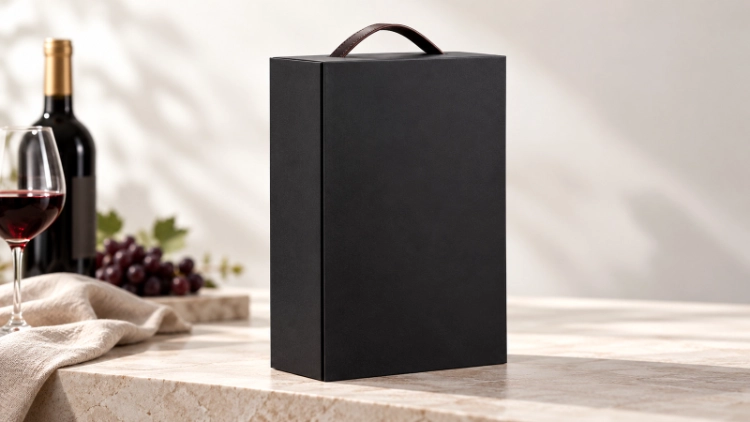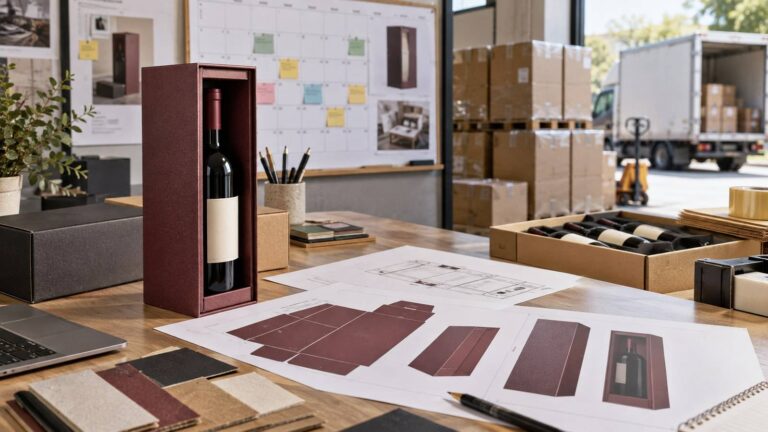

A repeat wine box order should not begin with a vague instruction to “make the same box again.” The first production run gives the project a useful reference, but the next run still depends on the correct artwork, materials, finishing, structure, insert, accessories, and packing details being released again.
For B2B packaging teams, repeat production is mainly a control task. The goal is to preserve the approved first-run result while identifying anything that has changed. A retained physical sample, final dieline, current artwork, material references, and clear version records make the next production run easier to review and less dependent on memory.
What Should Be Reconfirmed Before a Wine Box Repeat Order?
Start by checking whether the next order is truly the same project. Confirm the box structure, external and internal dimensions, bottle profile, insert, artwork, quantity, surface material, finishing, accessories, and packing method.
A commercial change that looks minor can still affect production. A revised bottle shoulder can change insert clearance. A new legal line can change the artwork file. A new ribbon, handle, or surface paper can alter the appearance or assembly method. If several markets use one structure with different graphics, the quantity for each version should also be confirmed separately.
A previous purchase order is useful, but it should not replace a current production brief. The next run should start from one approved specification, not from scattered emails, old proofs, and draft files.
Which Records Should Be Kept From the First Production Run?
The first order creates several references that are more useful than a product photo. Together, they show what was actually approved and produced.
Approved Physical Sample
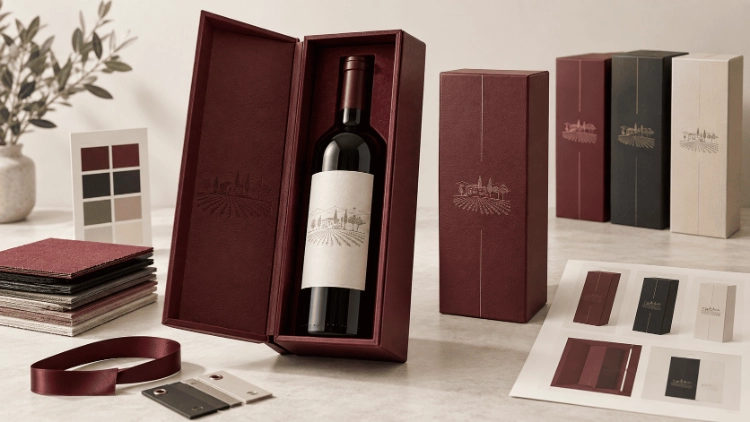
A retained sample records more than appearance. It shows finished dimensions, opening behavior, insert position, surface paper, color relationships, finishing placement, assembly quality, and the overall presentation of the box.
Keep the approved sample in usable condition and label the production version it represents. A damaged showroom sample or an unapproved sales sample should not become the comparison standard for the next batch.
Final Artwork and Dieline
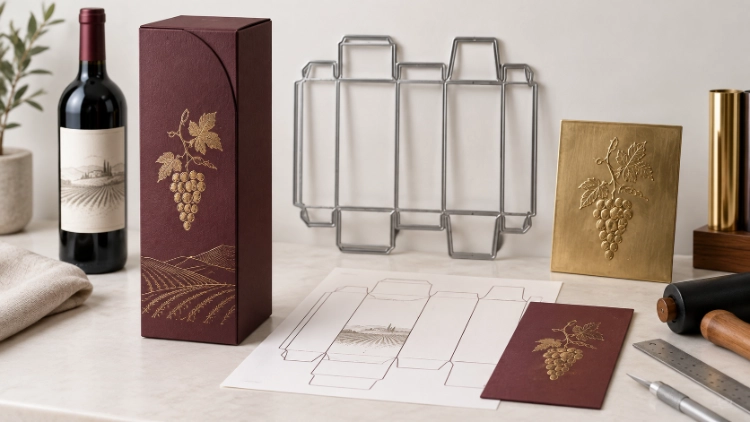
The production artwork should be stored separately from concept files and earlier revisions. The same applies to the dieline. The final dieline controls the approved panel geometry and structural positions, while the artwork controls the visual information placed on those panels.
Before a repeat run, confirm that the current artwork still belongs to the approved dieline. If packaging text, barcodes, logos, languages, or legal information have changed, release a new final version rather than editing an old proof informally.
Material and Finishing References
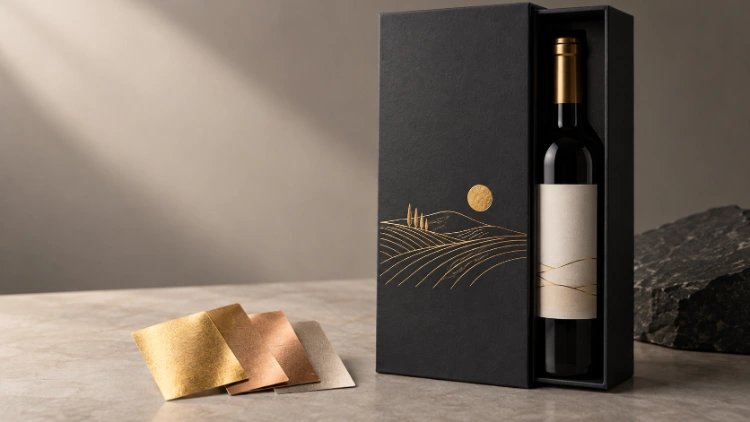
Record the structural board, surface paper, insert material, color reference, foil reference, lamination, hardware, handle, ribbon, and other visible components that define the approved box.
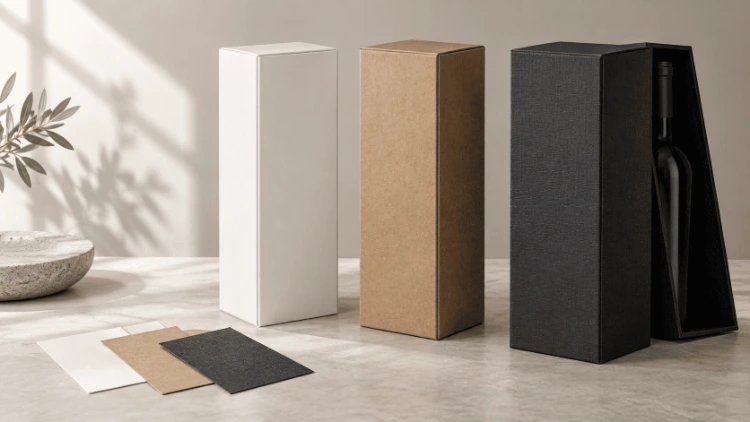
A phrase such as “black textured paper” is usually too broad for repeat production. Several papers can fit that description while differing in shade, texture depth, grain, and wrapping behavior. The same issue applies to metallic foil, ribbons, magnets, and molded inserts.
What Can Change Between Two Production Batches?
A repeat order can use the same design and still show small differences if materials or production conditions change. Batch control should therefore focus on the variables that influence the approved result rather than assume that every run will be visually identical by default.
Paper and Material Batches
Surface paper can vary in shade, texture, moisture condition, or availability between lots. Inserts and accessories can also change when a project moves to another material grade or component.
For visually sensitive projects, confirm the actual material before mass production instead of relying only on the previous material name. A retained swatch or finished sample provides a stronger comparison point.
Color and Finishing
Color consistency depends on more than the artwork file. The substrate, ink or spot-color reference, lamination, and finishing all affect the result.
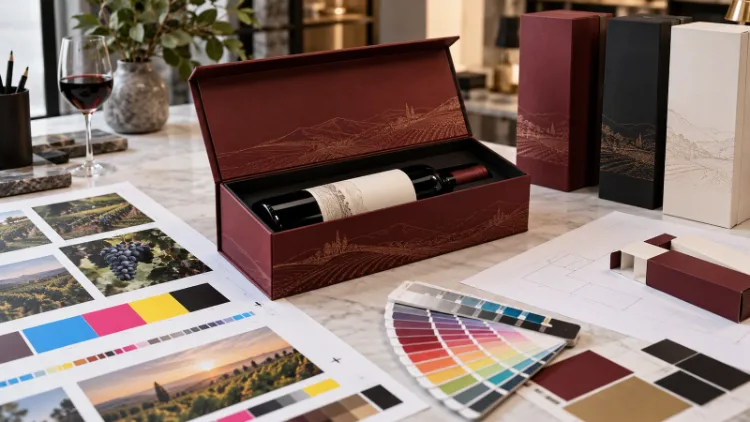
For repeat production, color control should use the agreed reference, first-piece confirmation, and checks during the run. Dark colors such as black, deep blue, and burgundy deserve closer comparison because visible shifts can become more noticeable across large solid areas.
Assembly and Hand-Applied Components
Magnets, ribbons, handles, inserts, wrapped corners, and other assembled elements can introduce variation even when the printed sheets are correct.
Check the functional points that mattered in the first run: lid alignment, drawer movement, magnet position, handle fixing, bottle fit, and insert placement. The visual specification and the functional specification should remain connected.
When Can the Original Specification Be Reused?
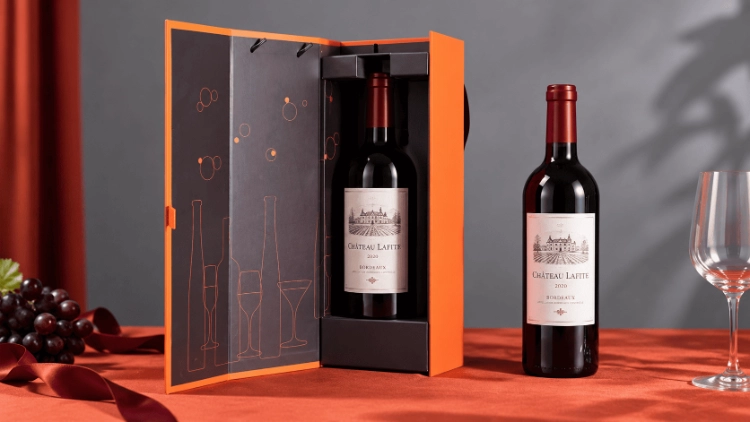
An earlier production specification can remain the basis for a repeat order when the structure, dimensions, bottle, artwork, surface material, insert, finishing, and accessories have not changed.
That does not mean the file can be released without review. Material availability still needs confirmation, the latest artwork must be identified, and the approved sample should be located before production starts.
Repeat programs work best when the first order leaves behind a complete record. For example, the Single Bottle Foldable Cardboard Wine Box supports customization of size, color, printing, and handle style. If one of those variables changes in the next run, the repeat specification should be updated before release.
When Does a Repeat Order Need a New Sample?
A new sample becomes more important when a change affects fit, appearance, opening behavior, or a production tool.
Typical triggers include a new bottle size, a revised insert, a different surface paper, a changed foil or embossed area, a new handle, an altered opening structure, or artwork that moves across folds and panel edges.
A color-only change may not require the same sample scope as a structural change. Replacing one text line is also different from moving a foil logo or changing a drawer dimension. Define what the new sample needs to prove instead of automatically repeating every earlier sampling step.
If the change affects only a limited element, a focused proof may be sufficient. If it affects structure, fit, or several interacting finishes, a complete physical sample is safer.
How Should Color Be Controlled on a Repeat Order?
Keep the approved first-run sample and the agreed color reference available during the next production. If a Pantone or other spot-color reference was used, confirm that it still applies. If color was approved visually on a particular paper, the substrate must remain part of the comparison.
The first production pieces should be reviewed before the full run continues. Later checks are useful when a large solid field or sensitive brand color forms a major part of the design.
Do not judge repeat color from a phone photo or screen image alone. Lighting, display settings, and camera processing can hide or exaggerate differences that are visible on the physical box.
How Should Multi-SKU Repeat Orders Be Managed?
One structure can support several artworks, languages, client logos, or seasonal versions. That does not make them one production file.
Create a version list showing the artwork code, quantity, language or market, barcode where relevant, and carton identification for each SKU. When one version changes while the others remain the same, release only the affected file as a new revision and keep the naming system clear.
When one structure carries several logos, languages, seasonal graphics, or regional versions, each version still needs its own current artwork, quantity, approval status, and carton identification. Shared structure does not remove the need for version control.
What Should Buyers Send Before Releasing the Next Production Run?
A practical repeat-order brief should include the previous order reference, final dieline, latest artwork, approved sample, material and finishing references, new quantity, SKU breakdown, delivery requirement, and a short list of anything that has changed.
When reviewing whether an existing rigid or foldable format can continue into the next batch, the cardboard wine box range provides examples of structures that can be customized around different bottle and presentation requirements.
TopWinePack supports custom wine packaging projects across structure, material, printing, inserts, sampling, production, inspection, and packing. Repeat production is easier to control when the current project records remain aligned with the approved first run.
If the next order is ready for review, send the previous project reference and updated requirements together with the new quantity and a clear list of changed specifications before production is released.
Conclusion
A repeat wine box order should begin with the approved first-run records, not with the assumption that every production variable remains unchanged.
Keep the physical sample, final dieline, artwork, material references, finishing information, and version history together. Reconfirm the items that can change between batches, and request a new sample when a structural or visual change affects the approved result.
That approach gives purchasing, design, and production teams one controlled reference for the next batch and reduces avoidable variation across repeat custom packaging programs.
FAQs
Q: Do repeat wine box orders need a new sample?
A: Not always. If the structure, bottle, materials, artwork, insert, and finishing remain unchanged, the previous approved specification may be sufficient as the production basis. A new sample is more useful when one of those critical variables changes.
Q: Why can the second production batch look different from the first?
A: Material lots, paper shade, finishing, color control, accessories, and assembly can vary between runs. Retaining the approved sample and production references makes these differences easier to identify and control.
Q: What files should be kept after the first wine box order?
A: Keep the final dieline, production artwork, approved proof or sample records, material and finishing references, SKU information, and any production notes that define the accepted version.