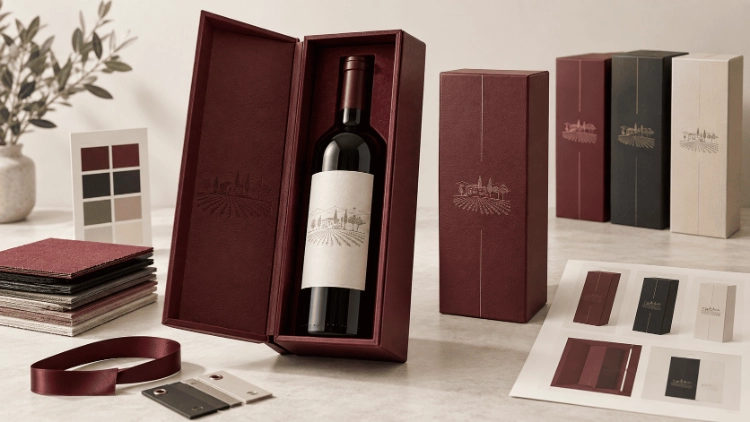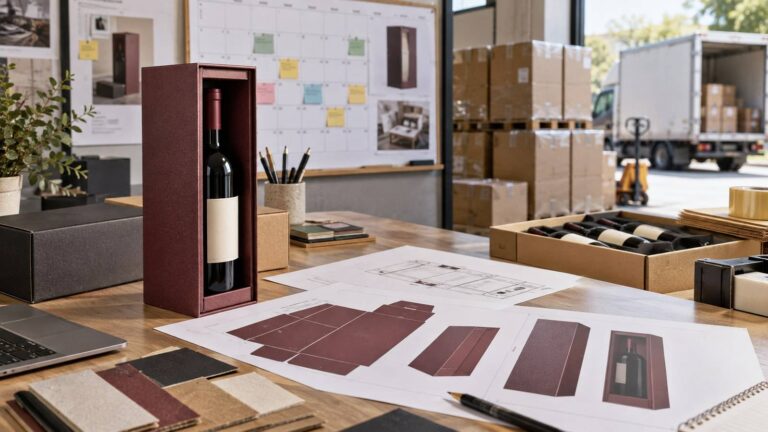

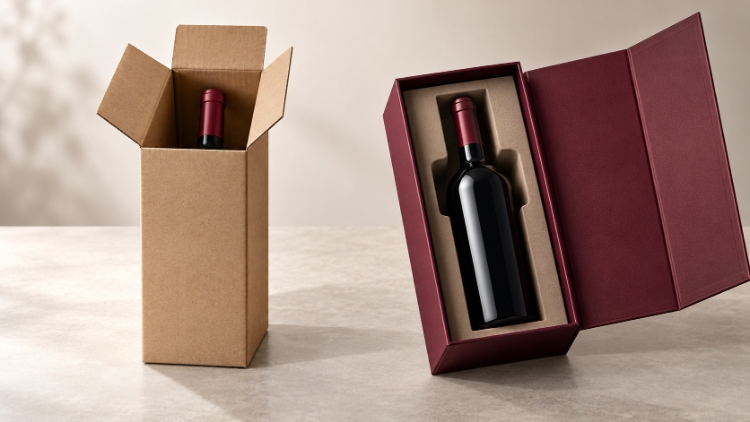
A wine gift box might look great in a catalog. However, it can fail to hold the actual container properly. A wide shoulder could get stuck at the insert opening. Also, a high top might prevent the lid from shutting tightly. Custom wine gift boxes fix these sizing issues. Yet, this path involves artwork checks, making prototypes, and extra manufacturing steps. The final decision relies on one main factor. You must see if a current layout already satisfies your container and visual needs.
What Is the Difference Between Custom and Ready-Made Wine Gift Boxes?
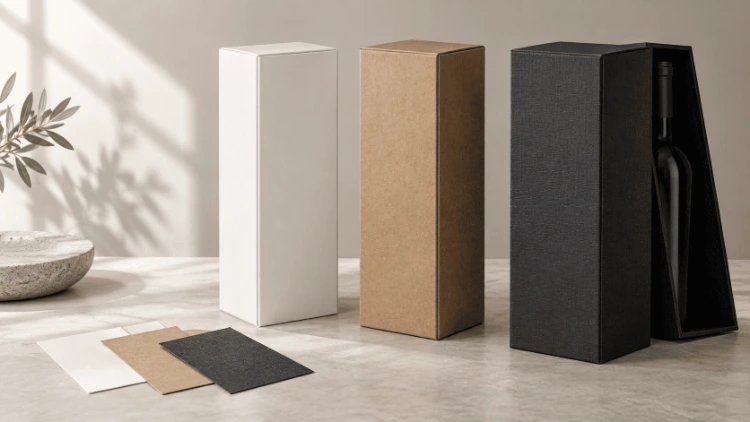
Buyers often group three main options under the “standard” label. The first is ready-made stock. The second is an established design made to order. This option uses current specifications but still needs factory time. Finally, fully custom production requires new choices. You must decide on the overall shape, sizing, insert, and surface treatments. Some current layouts allow fresh branding without altering the main outer structure.
A branded paper sleeve can highlight a holiday release easily. This works well if the container fits perfectly. However, expanding the inner space for a unique glass shape requires new engineering. This holds true even if the outside looks exactly the same.
When Is a Ready-Made Box a Practical Choice?
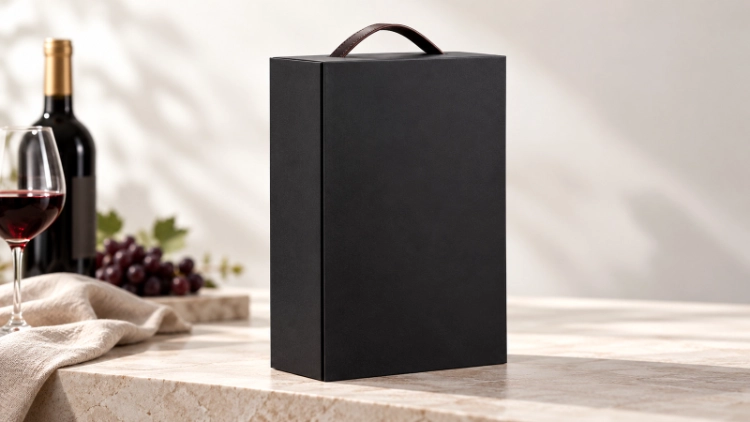
A simple finished package works well for regular containers and basic branding. It helps buyers avoid paying for a new cutting die or fresh cover art. You should always check the internal clearance and outer quality first. You must also verify the available inventory against a physical sample and the supplier’s offer.
A local business buying corporate presents might pick a basic package with a loose note inside. However, a retail launch usually features unique graphics. A loose note cannot replace a perfectly matched printed wrap. Furthermore, a broader container will likely demand a completely different insert.
The phrase “750 ml bottle” only explains the volume. It does not describe the actual shape. A Bordeaux-style bottle and a broad-shouldered container often require unique cavity widths. You need to test the bottom depth, shoulder space, stopper clearance, and finger access using the real item.
When Does Custom Wine Gift Packaging Add Value?
Special manufacturing makes sense when you face a specific, unmet need. A container that wobbles inside a standard insert demands better support points. A combo set needs safe dividers between fragile items. Furthermore, a high-end launch might demand graphics across areas that a basic sleeve cannot cover well. Each modification impacts a distinct section of the package. Therefore, it changes a distinct part of the pricing quote.
Distinct Bottle Shapes and Accessory Sets
A glass base with heavy glass needs strong bottom support. Meanwhile, a decorative top requires proper space above it. The insert must hold the glass body firmly. It should never press hard against the paper label or the top seal. Adding a metal opener or drinking glasses requires unique resting spots. You must consider the total filled weight when planning the carrying handle and bottom base. Soft padding inside a huge cavity will never secure those extra items properly.
Having the real item on hand makes critical testing easy. You can see exactly where the bottom sits. You can check where the shoulders might scrape. You can also test how a person grabs the item to pull it out. You might plan to use the same outer package for a different bottle profile. In that case, using a shared outer case with unique fitted inserts is highly practical. It saves you from redesigning every single exterior.
Brand Artwork and Premium Finishing
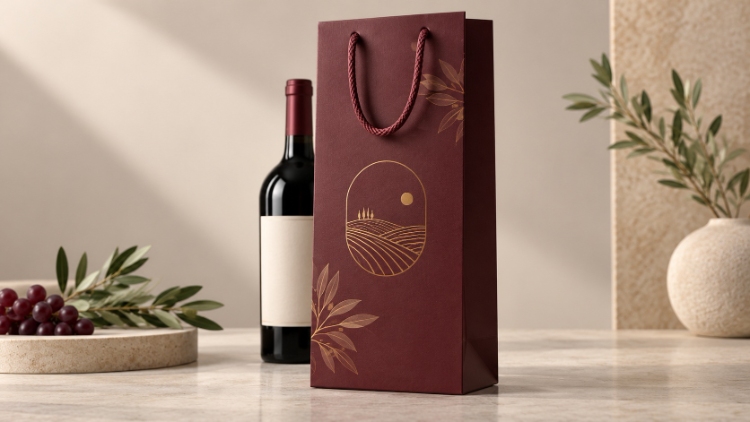
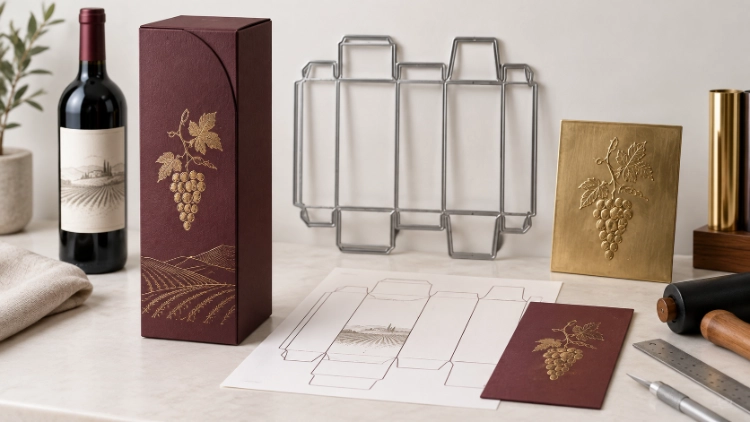
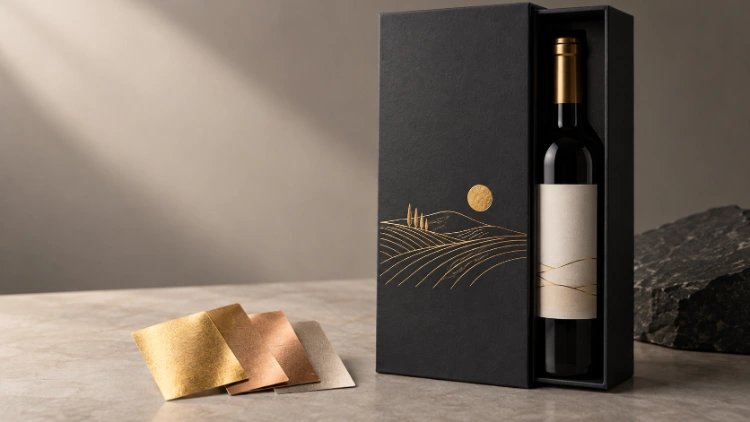
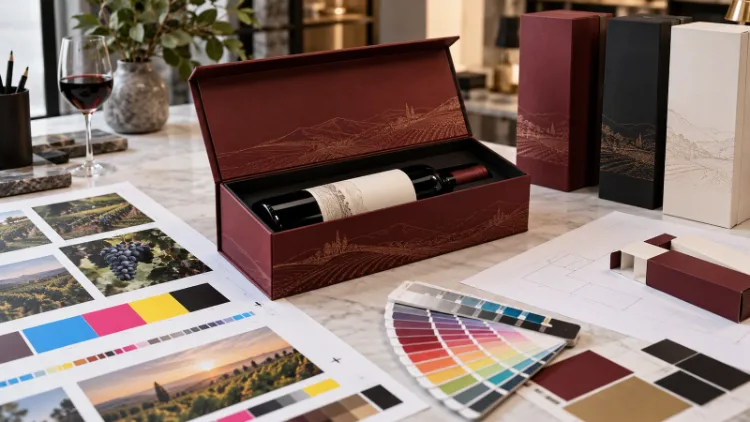
A label featuring a thin gold line and a dark red background is tricky. You cannot always match it by just slapping a sticker on a standard package. A printed wrap lets the exact color cover your chosen sides perfectly. Also, foil stamping and embossing can line up exactly with your planned logo spot. You must then check the chosen paper texture against the real label art. Do not just trust a digital computer image.
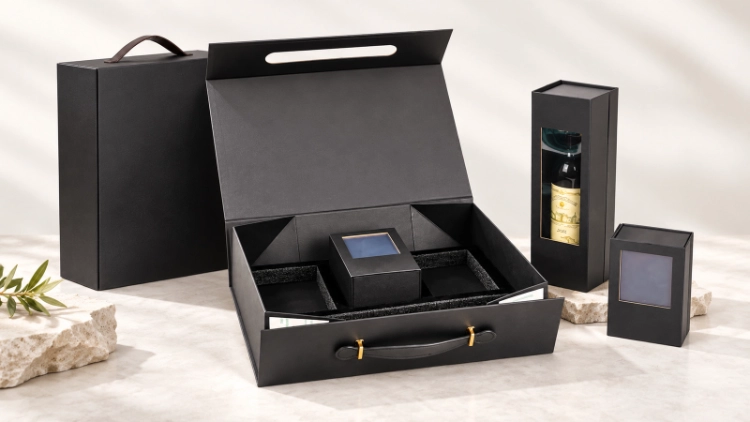
A drawer box needs proper room for the inner tray to glide smoothly. This must work well with its loaded insert. A book-style magnetic box reveals the container from the side during opening. A lift-off lid needs enough top space for easy removal. These physical choices change how workers pack the item. They also alter how the user opens and holds the final product.
Multiple Artwork Versions
Several yearly releases might share the exact same container shape. Here, a shared outer case and insert can hold different cover graphics easily. A holiday edition might just need fresh approved art. It will not need new package dimensions. However, things change once a new release uses a different container shape. The insert will need another proper fit test immediately. This remains true even if the outside picture stays exactly the same.
How Do Cost, Quantity, and Lead Time Compare?
A standard inventory price only matters for the exact setup you buy. A buyer might have to buy a new insert or a branded sleeve. They might also need a safe mailing carton and extra packing labor. These additions make the final bill very different from the cheap empty package price. A special manufacturing quote must list exactly what is included. It should clearly show the package, printing, testing, and shipping details.
| Purchasing route | What is already established | What affects cost and timing |
| Ready-made stock | Finished size, structure, and surface | Stock quantity, packing, and dispatch |
| Established design made to order | Existing cutting pattern and construction | New artwork, insert changes, production slot |
| Fully custom production | Structure and dimensions developed for the bottle | Sampling, any new tooling, finishing, run size |
The middle path always deserves a separate price check. A known outer case might need a fresh printed wrap. However, it might not need a new cutting die. On the other hand, a fresh container shape might demand a changed inner holder. This happens even when the outside stays identical. Breaking down the case, art, and holder fees makes these updates clear. You should do this before agreeing on any unit numbers.
Minimum Quantity and Unit Economics
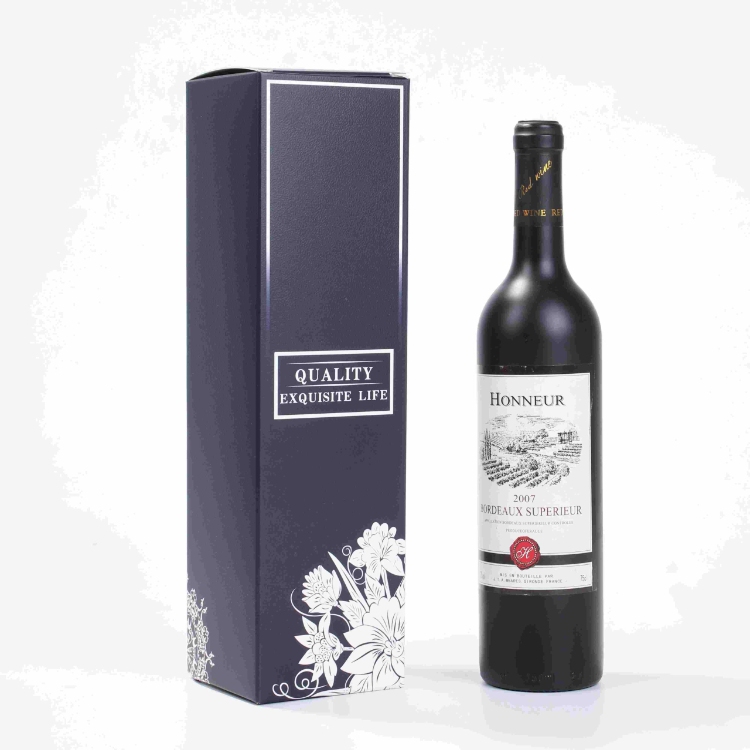
Completed warehouse items let you buy a smaller batch. You skip paying for a full factory run. This works if the vendor holds enough items in your desired style. A unique package spreads preparation and machine setup fees across the whole batch. You should compare the real batch sizes directly. This works better than comparing a public standard price against a special quote based on a totally different amount. Always monitor the final unit cost closely.
Multiple graphic versions can make one simple purchase very tricky. A package holding three different years might use the exact same cardboard and shape. Yet, it requires distinct graphic files and machine setups. You must know if the minimum rules apply to the whole purchase or just to each graphic version. The Leitfaden zur Mindestbestellmenge für individuelle Weinkisten covers these batch rules clearly.
Timing and Delivery Conditions
For completed warehouse items, the mailing day relies on the current count and shipping plans. An established design made to order skips some early drawing steps. However, it still goes through the factory line and packing stations. This difference becomes huge when you face a strict event deadline. You must watch the lead time carefully.
A fresh layout usually requires agreed container measurements and a clear dieline. You must settle these before finalizing the printed graphics. A physical sample can then show any rubbing or closing issues clearly. Altering the closing method later might mean redoing much more than just the outside graphics. Your timeline must include these real testing steps. Do not assume the layout is perfect during the first chat.
How Should Buyers Compare Physical Samples?
Put the actual filled container into the test standard package and shut it. Too much empty room near the top is bad. A cover pushing down on the seal is worse. Hard finger access can ruin a layout before you even add logos. If the vendor suggests a holder swap, they must price it clearly. They must test it as a real change. Do not assume it comes free with the standard deal. Always verify the bottle fit first.
You must test a unique prototype using the exact same filled container and extra items. Print registration, shiny foil spots, holder touching points, and lid matching are tricky. You can only see them clearly on the fully built item. A display package also acts differently from its mailing carton. You must perform all shipping tests on the exact packed bundle that the user will receive.
When looking at prototypes, the project notes must be clear. They should state which parts are final and which parts still need work. A basic package might just need a quick bottle fit check. A uniquely printed package also needs a confirmed color match and final surface art. This simple step stops you from confusing a pretty early model with the final factory plan.
What Should Be Confirmed Before Requesting a Quote?
Both pricing lists require the exact bottle profile, the filled weight, and any extra items. They also need the batch size, the dropping spot, and the required date. A standard stock offer must also state the internal dimensions clearly. It should list the current warehouse count and any included logos.
Die wine gift box collection displays a rigid box style perfect for various display setups. For an exact price, you must check something important. See if the container already matches one of the current sizes. If not, note if the inner holder and outer case must change.
TopWinePack’s OEM/ODM packaging service explains many options. It covers magnetic box, drawer box, folding, and twin-door styles. It also details special printing and holders. Keeping a trusted outer case while swapping its holder or printed wrap is smart. It is a completely different factory job from making a brand new closing style. The price list must keep those tasks separate.
For a branded container and tool set, TopWinePack can manage everything. They handle the outer case, the fitted compartments, and the graphic art inside one project. An existing case might already fit the container perfectly. If so, swapping the holder or graphics is usually smarter than building a new exterior.
To weigh your choices well, submit bottle, artwork, quantity, and delivery details along with your desired surface look. The pricing list can then separate current ready parts from the new tasks. This shows exactly what goes into a fresh holder, a new wrap, or a new package shape.
Schlussfolgerung
Ready-made stock works wonderfully when the container fits and the warehouse count matches your need. Custom wine gift boxes prove their worth through better features. They are great when container safety, extra tools, or unique logos demand a special plan. You should always check loaded prototypes and final delivered prices carefully. Remember to count any current parts that you can use again.
Häufig gestellte Fragen
Q1: Are ready-made wine gift boxes always cheaper than custom boxes?
A: Not always. A public standard package might show a smaller starting cost. However, extra holders, logos, packing labor, and shipping fees can alter the final bill quickly. Unique prices rely on shape, surface looks, batch size, and machine setup needs. You must compare the full details and the final delivered costs.
Q2: Can a standard wine gift box be customized with a logo?
A: Some vendors let you use stickers, paper bands, or basic ink on a current layout. This depends on the exact item and the vendor’s rules. Slapping a logo on a standard shape is quite basic. It is never the same as a fully custom production with new sizing and holders.
Q3: What should buyers verify before ordering a ready-made wine gift box?
A: You must check the internal dimensions, the holder snugness, the surface look, the available count, and the shipping rules. Your container might have a weird shape. If so, demand a physical fit check or a physical sample before paying. Never trust the basic liquid volume number alone.