
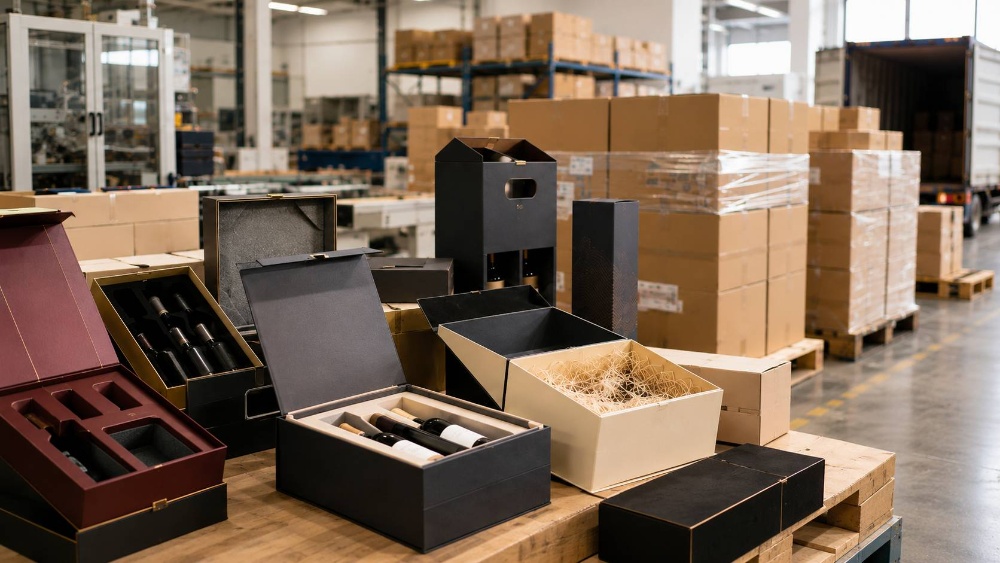
Eine abgeschlossene Produktionscharge ist nicht automatisch versandbereit. Bevor Weinkartons in Exportkartons verpackt werden, müssen Käufer die genehmigten Spezifikationen, die Chargenkonsistenz, die Kartondaten, den Transportschutz und die Übergabedokumente bestätigen. Ein übersehenes Detail kann zu falschen Mengen, beschädigten Oberflächen, erhöhten Frachtkosten oder Verzögerungen am Bestimmungsort führen.
Diese Prüfungen betreffen leere, individuell angefertigte Weinkartons, die von einer Weinkartonfabrik an einen Markeninhaber, Lohnverpacker, Geschenkartikelhersteller oder ein Vertriebszentrum geliefert werden. Die Kartons können flach verpackt, montiert, mit Einlagen versehen oder mit Griffen und Beschlägen ausgestattet sein. Jede Variante erfordert eine andere Verpackungsmethode. Bei Großbestellungen von Weinkartons werden daher Produktionsfreigabe und Versandfreigabe in einem durchdachten Verpackungskonzept separat behandelt.
Die fünf Prüfungen vor dem Versand im Überblick
Bevor der Versand der Weinkisten organisiert wird, sollte das Einkaufsteam fünf Punkte klären:
| Überprüfen | Zu klärende Frage | Hauptrisiko |
| Endgültige Spezifikation | Handelt es sich bei der fertigen Verpackung um die genehmigte Version? | Falsche Größe, falsches Material, falsche Ausführung oder falsche Struktur |
| Chargenqualität | Entspricht die Produktion dem genehmigten Muster? | Unstimmigkeiten bei Farbe, Montage oder Hardware |
| Kartondaten | Sind Menge, Abmessungen und Gewicht bestätigt? | Falsche Buchung oder zu hohe Frachtkosten |
| Transportschutz | Sind Kartons für Handhabung und Lagerung geeignet? | Quetschungen, Feuchtigkeit, Abrieb oder Verformungen |
| Übergabe der Sendung | Sind Markierungen, Dokumente und Sammlungsdetails aufeinander abgestimmt? | Verzögerungen, Fehlleitungen oder Empfangsfehler |
Dies ist eine Freigabereihenfolge, keine allgemeine Qualitätsliste. Jeder Punkt sollte geklärt sein, bevor die nächste Partei die Ware übernimmt.
1. Festlegung der endgültigen Produkt- und Verpackungsspezifikationen
Die erste Prüfung legt genau fest, was versendet wird. Ein Hersteller von Weinkisten kann mehrere Korrekturschleifen durchführen, wenn sich Design, Einlagen, Griffe oder Oberflächenbehandlungen kurzfristig ändern. Das freigegebene Muster, der Produktionsauftrag, das Prüfprotokoll und die Verpackungsanweisung müssen die gleiche Konfiguration ausweisen.
Bestätigen Sie die genehmigte Box-Version
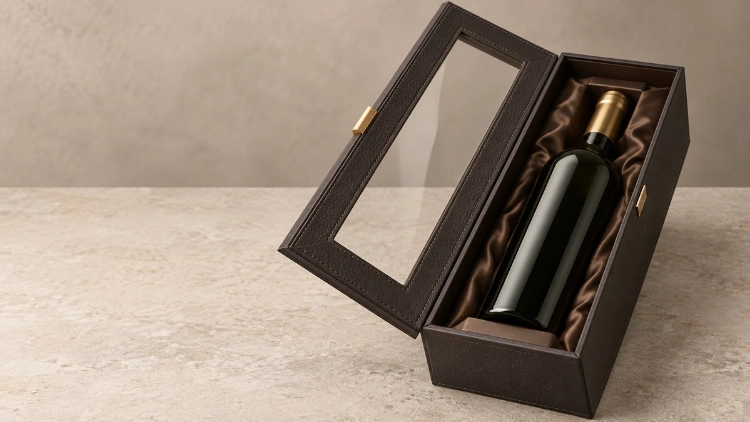
Dokumentieren Sie die Struktur, die Endabmessungen, die Öffnungsrichtung, die Kartonart, das Oberflächenpapier, die Druckfarben und die Veredelungsverfahren. Die Spezifikation sollte außerdem Magnete, Bänder, Griffe, Metallteile, Sichtfenster und Einlagen enthalten. Bei individuell gefertigten Weinkartons ist eine Beschreibung wie „schwarzer Magnetkarton“ unzureichend, da sie weder die Position des Magneten noch die Größe des Logos, die Auskleidung oder die Öffnungsrichtung definiert.
Bei farbkritischen Projekten muss die genehmigte Farbreferenz angegeben werden. Heißfolienprägung, Prägung, partielle UV-Lackierung, Laminierung und strukturiertes Papier erfordern zudem eine separate Bestätigung. Im Freigabedokument muss vermerkt sein, ob sich die Genehmigung auf einen digitalen Proof, ein gedrucktes Blatt oder ein vollständig montiertes physisches Muster bezieht.
Einzelverpackung und Umkartonverpackung definieren
Die Spezifikation für die individuelle Weinverpackung sollte auch festlegen, ob jede Box einen OPP-Beutel, Seidenpapier, eine Papierhülle, eine Schaumstoffplatte oder eine Trennschicht benötigt. Dunkles Papier, Folienbereiche, hochglänzende Oberflächen, Papier mit Lederstruktur und Metallbeschläge erfordern oft zusätzlichen Schutz vor Abrieb.
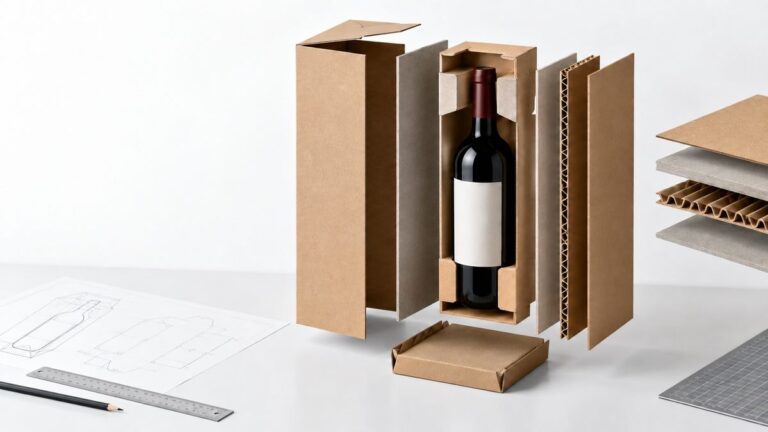
Der Umkartonplan sollte Angaben zur Stückzahl pro Karton, zur Ausrichtung der Kartons, zur Verwendung von Trennwänden, zum Eckenschutz, zum inneren wasserdichten Schutz, zur Versiegelungsmethode und zur Kartonkennzeichnung enthalten. Diese Formate sollten nicht dieselbe generische Verpackungsmethode verwenden, da ihre Belastungspunkte unterschiedlich sind.
2. Verwenden Sie die genehmigte Probe als Chargenstandard
Die zweite Prüfung wandelt eine gute Stichprobe in einen messbaren Produktionsstandard um. Die Stichprobe sollte verschiedene Kartons und Produktionsstufen umfassen und nicht nur die oberste Schicht einiger Kartons.
Vergleichen Sie Struktur, Farbe und Verarbeitung
Prüfen Sie, ob die Box rechtwinklig steht, der Deckel gleichmäßig schließt, die Schubladen einwandfrei funktionieren und die Doppeltüren in der Mitte aufeinandertreffen. Die Magnete sollten sich ausrichten und mit vergleichbarer Kraft schließen. Griffe, Bänder und Beschläge müssen bei normalem Gebrauch fest sitzen.
Prüfen Sie anschließend das Papier auf Blasen, Falten, abgelöste Ecken, freiliegenden Klebstoff, ungleichmäßige Verpackung, Folienverlust, Kratzer und Farbveränderungen. Bei dunklen Farben können Abrieb- und Klebstoffspuren deutlicher sichtbar sein. Die Akzeptanz sollte die angestrebte Marktposition widerspiegeln und nicht nur die Funktionalität der Verpackung berücksichtigen.
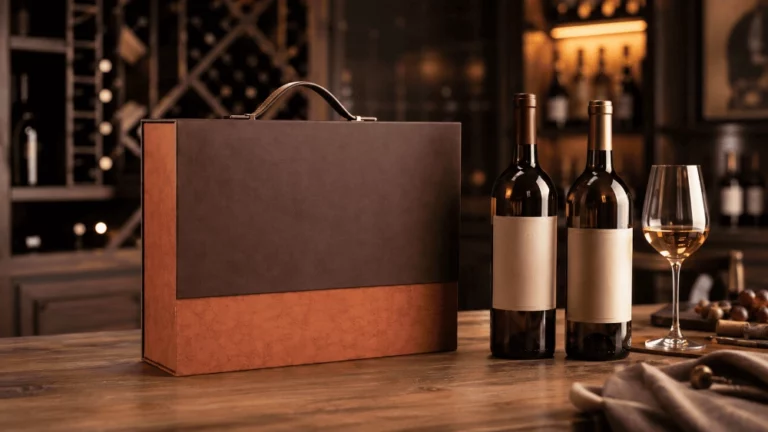
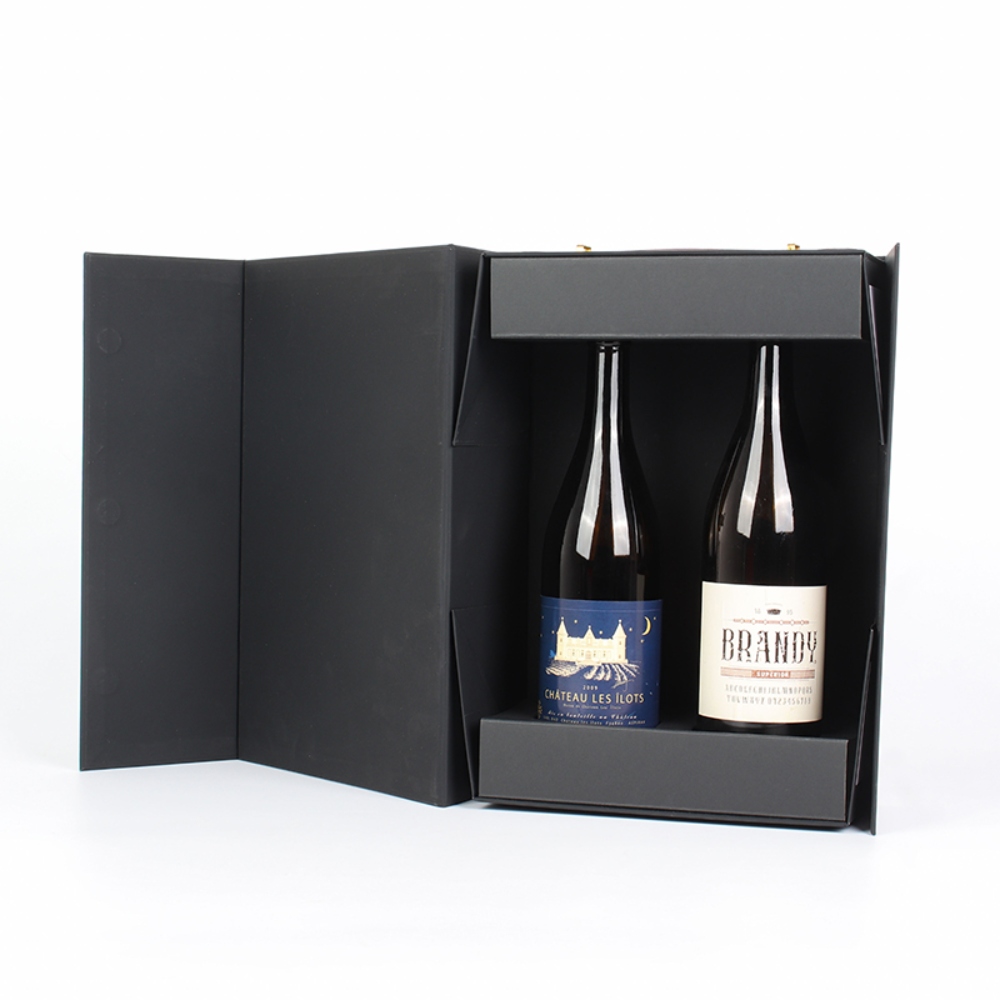
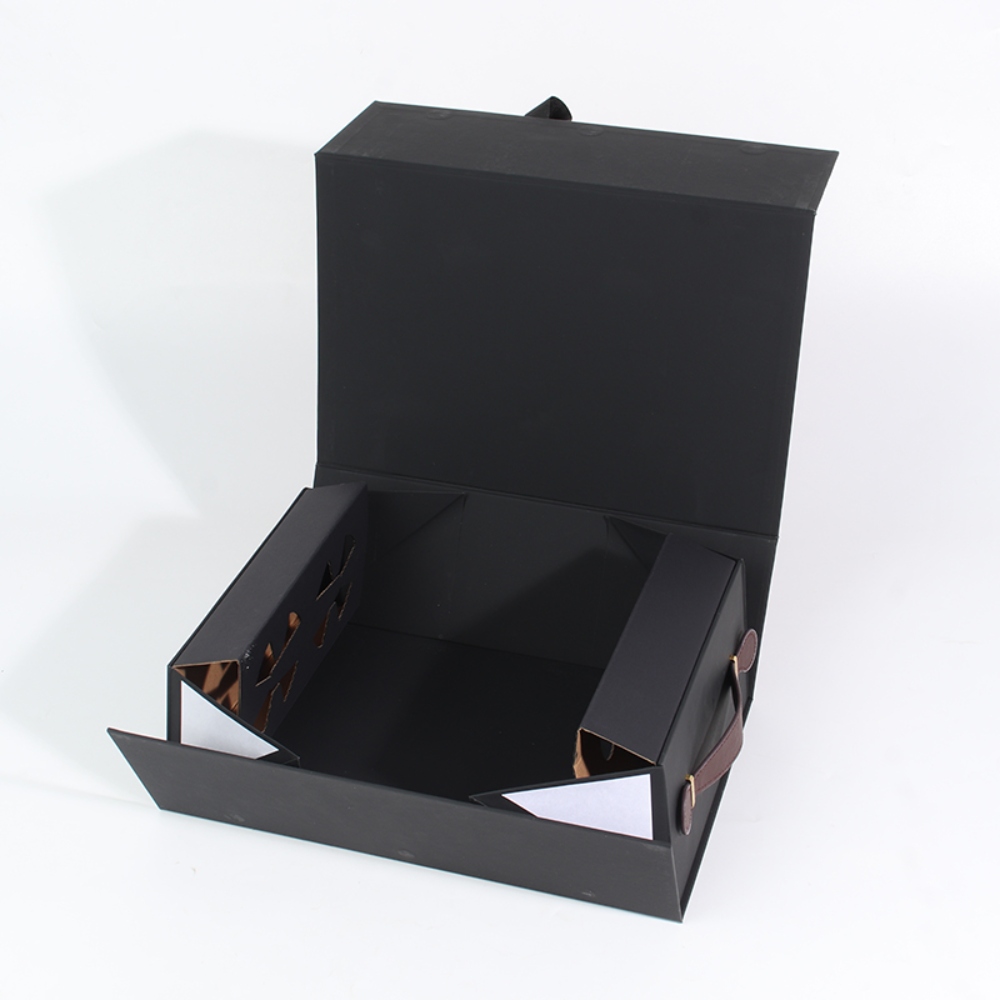
Die Schwarze doppelte Geschenkbox aus Karton für Weinflaschen, individuell gestaltbar Dies verdeutlicht, warum mehrere Merkmale gemeinsam geprüft werden müssen. Das Format kombiniert eine faltbare, buchförmige Magnetstruktur, strukturiertes Papier, das über 1200 g/m² Graukarton gewickelt ist, einen Ledergriff mit Metallbeschlag und ein Doppelflaschenformat. Die Prüfung sollte die Faltgenauigkeit, die Ausrichtung der Magnete, die Befestigung des Griffs, den Oberflächenschutz und die Verpackungsmaße umfassen.
Protokollieren Sie die Ergebnisse der Vorversandkontrolle.
Bewahren Sie eine Freigabeakte auf, die die Referenz des genehmigten Musters, das Datenblatt mit den endgültigen Abmessungen, die Material- und Oberflächenliste, Inspektionsfotos, die Fehlerdokumentation, Fotos der Kartons und die endgültige Stückzahl enthält. Falls Nacharbeiten erforderlich sind, dokumentieren Sie, was korrigiert wurde und wie die korrigierten Einheiten geprüft wurden.
Ein kurzes Video kann die Öffnungsbewegung, den Magnetverschluss, den Schubladenlauf oder die Funktion des Griffs bestätigen, sollte aber durch schriftliche Messungen und Fotos ergänzt werden. Die Dokumentation dient als Nachweis, den beide Parteien bei Problemen nach der Lieferung prüfen können.
3. Bitte bestätigen Sie vor der Buchung die Kartonmenge, das Volumen und das Gewicht.
Bei Großbestellungen von Weinkartons wirkt sich die dritte Prüfung direkt auf die Frachtplanung aus. Ein Angebot, das auf geschätzten Kartons basiert, kann sich nach dem endgültigen Verpacken ändern, insbesondere wenn die Kartons feste Einlagen, Griffe, Beschläge oder zusätzlichen Oberflächenschutz enthalten. Überprüfen Sie die Kartondaten während der Planung und bestätigen Sie sie nach dem tatsächlichen Verpacken.
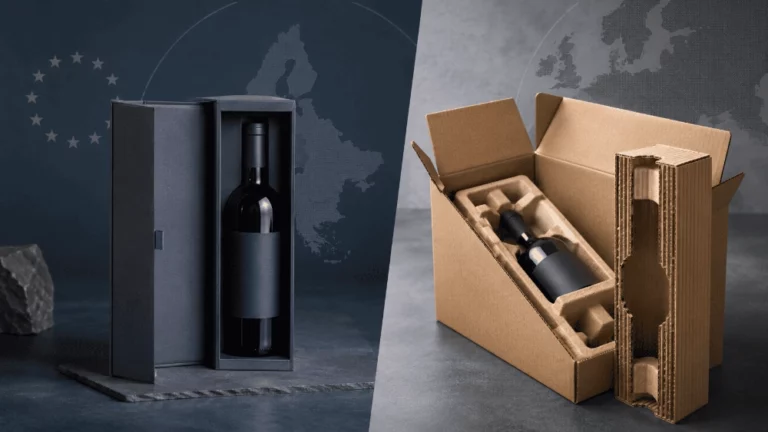
Vergleich des Packvolumens im faltbaren und im aufgebauten Zustand
Faltbare Konstruktionen reduzieren oft das Lager- und Transportvolumen, da sie flach verpackt werden können. Der Vorteil hängt jedoch von der Konstruktion ab. Einsätze, Bänder, Magnete, Stützplatten und Schutztrennwände benötigen weiterhin Platz.
Vormontierte, stabile Kartons benötigen zwar mehr Volumen, werden aber befüllfertig geliefert und können den Arbeitsaufwand vor Ort reduzieren. Bei Großbestellungen von Weinkartons sollten Sie den gesamten Ablauf am Zielort – inklusive Montage, Lagerung, Transport und Präsentation – vergleichen, anstatt nur den Stückpreis zu betrachten.
Überprüfen Sie die Stückzahl pro Karton und die Endabmessungen.
Bitte geben Sie die Stückzahl pro Karton, die Außenmaße (Länge, Breite und Höhe), das Nettogewicht, das Bruttogewicht, die Gesamtanzahl der Kartons und das Gesamtvolumen an. Vermerken Sie, ob die Kartons palettiert, lose verladen oder mit anderen Waren konsolidiert werden. Prüfen Sie alle Kartons, die zu schwer für eine sichere Handhabung sind oder sich unter Belastung verformen.
Die Methoden zur Ladungssicherung zeigen, warum genaue Abmessungen wichtig sind. FedEx-Richtlinien zum Volumengewicht Das Volumengewicht wird anhand von Länge, Breite und Höhe des Pakets berechnet. Die anzuwendenden Divisoren und Rundungsregeln hängen vom Service und Markt ab. Der Spediteur sollte die Berechnungsmethode vor der Buchung bestätigen. Ein Weinkartonhersteller sollte daher die endgültigen Kartondaten angeben und sich nicht auf eine vorläufige Schätzung verlassen.
4. Verpackung auf Risiken bei Handhabung und Lagerung prüfen
Die vierte Prüfung untersucht, ob die Versandbedingungen der Weinkartons den Anforderungen der verpackten Bestellung entsprechen. Leere Geschenkkartons sind zwar leichter als gefüllte Flaschen, aber dennoch anfällig für Druck, Feuchtigkeit, Abrieb, Einstiche und Verformung. Die Prüfung sollte den verpackten Karton, die Transportart, die Stapelmethode und den Bestimmungsort berücksichtigen.
Überprüfung der Belastung durch Kompression, Stöße und Vibrationen
Prüfen Sie, ob die unteren Kartons nach einer realistischen Belastung von oben und einer gewissen Lagerzeit ihre Form behalten. Achten Sie besonders auf Ecken, Deckel, Schubladeneinsätze und hervorstehende Griffe, da diese Bereiche konzentriertem Druck ausgesetzt sein können.
Vibrationen können auch ohne Fallvorgang zu wiederholtem Oberflächenkontakt führen. Trennwände sollten verhindern, dass Armaturen, Folienpaneele und beschichtete Oberflächen an benachbarten Einheiten reiben. Faltbare Boxen sollten sich nach dem Test weiterhin leicht zusammenbauen lassen, mit intakten Faltkanten und korrekt positionierten Magneten.
Feuchtigkeitszufuhr und Oberflächenschutz
Seefracht, Verladung in der Regenzeit und Lagerung in feuchter Umgebung können Papierverpackungen Feuchtigkeit aussetzen. Stellen Sie sicher, dass die Umkartons vor dem Verladen trocken und vor Nässe geschützt sind. Je nach Transportweg und Material können wasserdichte Innensäcke, Kartoneinlagen, Trockenmittel, Paletten oder Zwischenlagen in Betracht gezogen werden.
Prüfen Sie den Oberflächenschutz, nachdem Kartons bewegt, gestapelt und wieder geöffnet wurden. Eine saubere Oberseite beweist nicht, dass die unteren Schichten frei von Druckstellen sind. Hochglänzende Oberflächen, Soft-Touch-Folien und dunkles Papier sollten unter schrägem Licht betrachtet werden, da feine Abriebspuren direkt schwer zu erkennen sein können.
5. Werksfertigstellung, Dokumente und Übergabe aufeinander abstimmen
Die Endkontrolle legt fest, wann die Verantwortung von der Produktion an die Logistik übergeht. „Produktion abgeschlossen“ kann dennoch bedeuten, dass Inspektion, Nachbearbeitung, Verpackung, Messung oder Dokumentation noch ausstehen. Der Abholtermin sollte sich nach der Versandbereitschaft richten, nicht nach dem letzten Montagetag.
Produktionsabschluss und Kollektionsbereitschaft trennen
Verwenden Sie klare Meilensteine: Produktion abgeschlossen, Inspektion abgeschlossen, Korrekturen abgeschlossen, Verpackung abgeschlossen, Kartondaten bestätigt, Buchung bestätigt und Abholung freigegeben. Kennzeichnen Sie frühe Informationen als geschätzt, bis die endgültige Verpackung abgeschlossen ist.
Diese Reihenfolge ist wichtig, wenn mehrere kundenspezifische Weinverpackungsartikel in einer Sendung zusammengefasst sind. Ein verzögerter Einleger oder ein Zubehörteil kann die Ladung aufnehmen, selbst wenn die Hauptkartons bereits fertig sind. Ein konsolidiertes Bereitstellungsblatt verhindert Buchungen mit unvollständigen Daten.
Bestätigen Sie Markierungen, Packlisten und Abholdetails.
Prüfen Sie Empfänger, Bestimmungsort, Bestellnummer, Projektcode, Kartonnummer, Menge pro Karton, Gesamtanzahl Kartons, Abmessungen, Gewichte und Kennzeichnungen für den Transport. Bestätigen Sie Abholadresse, Abholzeitraum, Kontaktdaten des Spediteurs, Verlademethode und erforderliche Exportdokumente. Die Packliste muss mit den physischen Kartons übereinstimmen.
Gegen Ende des Prozesses TopWinePack Wir koordinieren Spezifikationsbestätigung, Bemusterung, Produktion, Qualitätskontrolle und Verpackung für kundenspezifische Projekte. Der Service ist optimal, wenn Käufer vor Produktionsfreigabe die endgültige Struktur, Menge, Ausführung, Verpackungsmethode, Bestimmungsort und Speditionsanforderungen mitteilen.
Checkliste für die endgültige Veröffentlichung
Vor der Freigabe des Versands der Weinkisten ist zu prüfen, ob die finalen, individuell gestalteten Weinkisten dem freigegebenen Muster entsprechen, die Charge den vereinbarten Standards genügt, die Kartondaten der tatsächlichen Verpackung entsprechen, der Schutzplan für den Transportweg geeignet ist und die Übergabedokumente mit der Sendung übereinstimmen. Diese fünf Kontrollen verbinden Design, Produktion, Verpackung und Logistik in einem einzigen Freigabeprozess.
Für eine strukturierte Überprüfung vor dem Versand senden Sie bitte das genehmigte Design, die Bestellmenge, die Verpackungspräferenz und den Bestimmungsort über Projektanfrageseite von TopWinePackWir können die Spezifikationen für die individuelle Weinverpackung, die Anordnung der Umkartons und die Versandinformationen für die Weinkisten überprüfen, bevor die Bestellung die Produktion verlässt.
FAQ (häufig gestellte Fragen)
F: Welche Informationen sollte ein Käufer erhalten, bevor ein Hersteller von Weinkartons eine Bestellung freigibt?
A: Der Käufer sollte die endgültige Menge, die Abmessungen der fertigen Kartons, die Stückzahl pro Karton, die Kartonabmessungen, das Bruttogewicht, die Gesamtanzahl der Kartons, den Prüfbericht, Fotos der Verpackung und die endgültige Packliste erhalten. Zuvor verwendete Schätzungen sollten nach dem Verpacken durch bestätigte Daten ersetzt werden.
F: Sind faltbare, maßgefertigte Weinkartons immer günstiger zu transportieren?
A: Nicht immer. Flachverpackung reduziert zwar oft das Volumen, aber Einlagen, Beschläge, Trennwände, Montagekosten vor Ort und Lagerung am Zielort beeinflussen ebenfalls die Gesamtkosten. Für den Vergleich sollte der gesamte Verpackungs- und Handhabungsplan berücksichtigt werden.
F: Wann sollte der Spediteur die Kartoninformationen erhalten?
A: Anhand geschätzter Daten kann ein erstes Angebot erstellt werden, die endgültigen Buchungs- und Abholanweisungen sollten jedoch auf den nach dem tatsächlichen Verpacken bestätigten Maßen und Gewichten basieren. Jegliche Materialänderungen müssen vor der Abholung mitgeteilt werden.