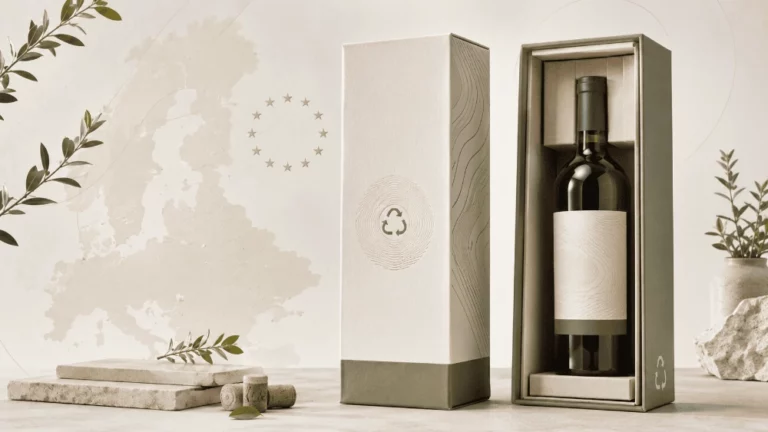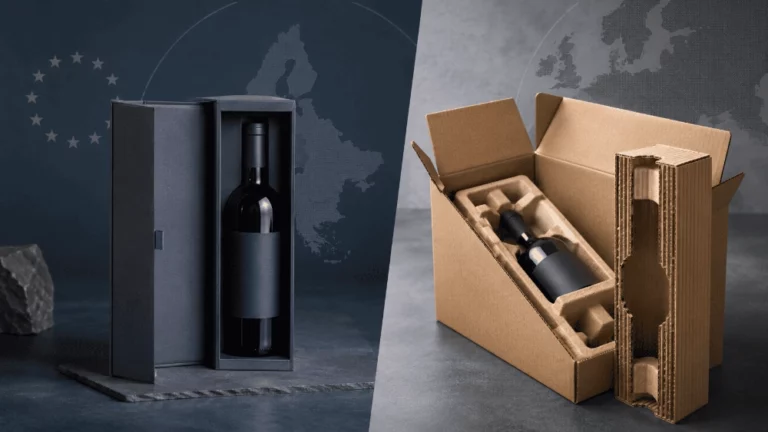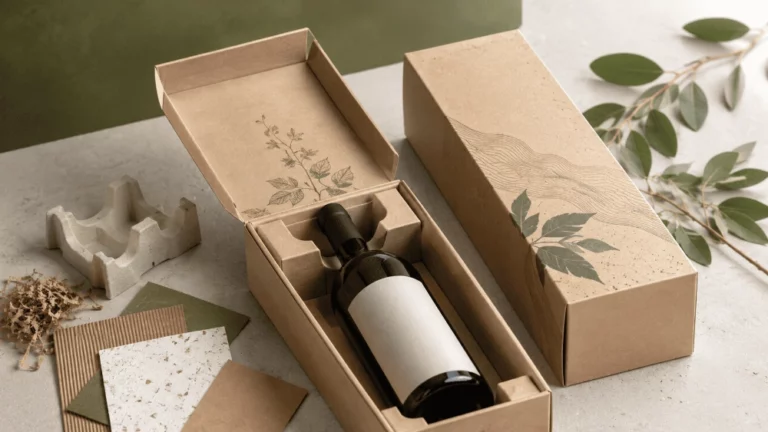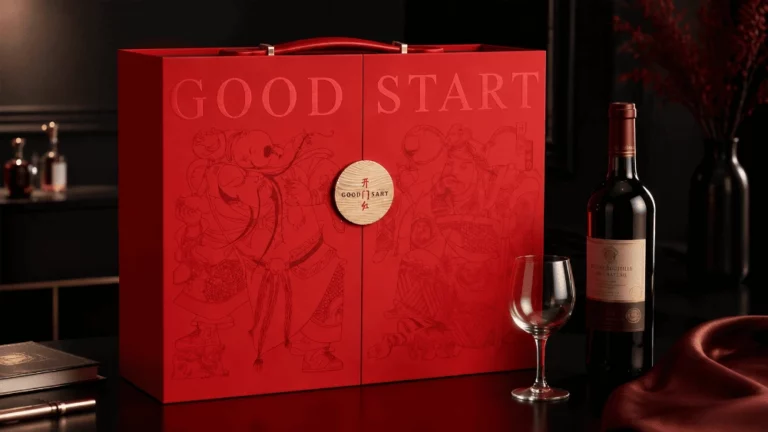

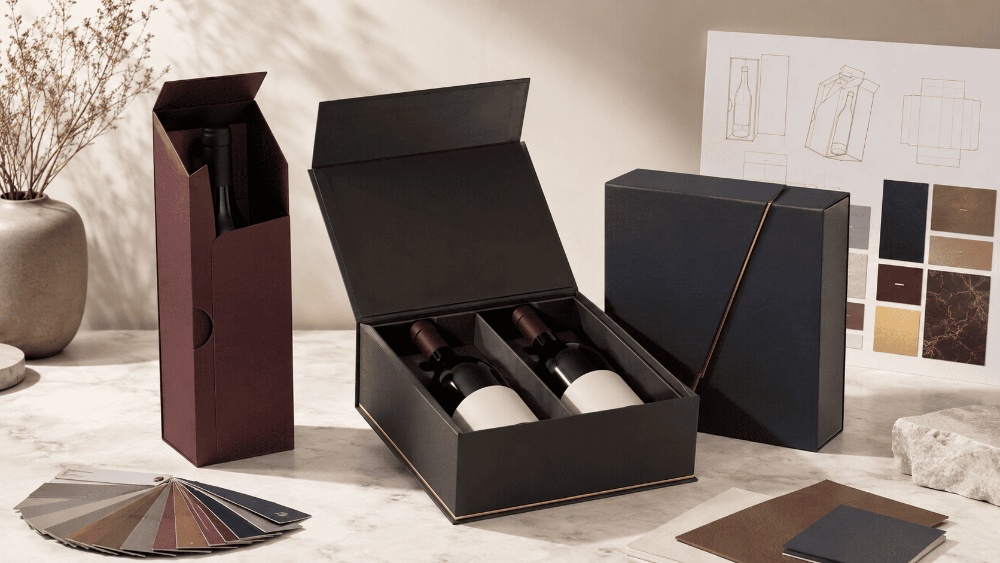
Verpackung kann weder Weinqualität, Preisgestaltung, Vertrieb noch Werbung ersetzen. Sie kann jedoch dazu beitragen, dass ein Produkt bekannter wird, seinen Wert vermittelt und für einen bestimmten Verkaufsanlass geeignet ist. Effektives, individuell gestaltetes Weinkartondesign verbindet Struktur, Material, Grafik und Benutzererfahrung mit einem kommerziellen Ziel.
Das Projekt sollte mit dem Vertriebsproblem beginnen, nicht mit einer Liste von Ausstattungsoptionen. Ein aussagekräftiges Briefing sollte klarstellen, ob die Verpackung die Wiedererkennung im Regal, die Positionierung im Premiumsegment, die Geschenktauglichkeit, die Online-Präsentation oder die Produktlinienkonsistenz verbessern soll. Markenweinverpackungen müssen Käufern helfen, das Produkt zu identifizieren und zu erkennen, ob es für den Einzelhandel, den Direktvertrieb, Firmengeschenke oder eine limitierte Edition geeignet ist.
Wo individuelle Weinkisten den Absatz unterstützen können
Eine Weinkiste beeinflusst Wiedererkennung, Werturteil, Geschenkbereitschaft und das Öffnen der Verpackung. Jeder dieser Momente erfordert eine gestalterische Antwort, die mit einem kommerziellen Zweck verknüpft ist.
Stärkung der Wiedererkennung beim Erstkontakt
Wiedererkennung beginnt mit visueller Hierarchie. Markenname, Produktpalette, Flaschentyp und Hauptgrafik sollten nicht um die gleiche Aufmerksamkeit konkurrieren. Eine übersichtliche Frontseite vermittelt oft schneller Informationen als eine mit verschiedenen Oberflächenstrukturen überladene Fläche.
Farbe, Logogröße, Typografie und Formgebung sollten zusammengehörige Produkte miteinander verbinden. Markenweinverpackungen gewinnen an Wirkung, wenn alle Oberflächen einem einheitlichen Design folgen. Dies erleichtert es dem Vertriebsteam zudem, verwandte Produktlinien zu präsentieren, ohne die Verpackungssprache für jede Produkteinführung neu entwickeln zu müssen.
Premium-Positionierung glaubwürdig gestalten
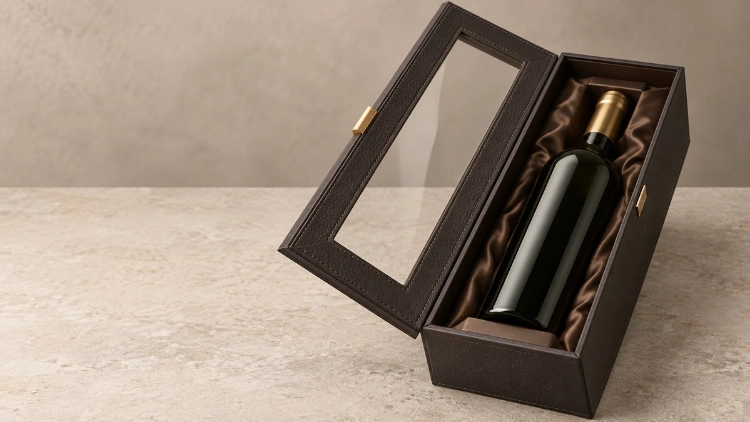
Der Premiumwert hängt von der Stimmigkeit ab. Plattensteifigkeit, Papierstruktur, Präzision der Einlagen, Kantenverarbeitung, Farbtreue und Oberflächenqualität müssen dem gleichen Marktniveau entsprechen. Metallische Verzierungen können eine instabile Struktur oder eine mangelhafte Flaschenpassung nicht ausgleichen.
Das Design der Weinverpackung sollte dem Flaschenpreis und dem Anlass entsprechen. Für eine Standard-Produktlinie im Einzelhandel mag eine schlichte, fokussierte Verpackung ausreichen, während eine Sammleredition eine feierliche Öffnungszeremonie rechtfertigt. Ziel ist eine Präsentation, die von Käufern als glaubwürdig wahrgenommen und vom Vertriebsteam einheitlich erklärt werden kann.
Geschenkbereitschaft verbessern
Die Geschenkverpackung muss auch nach dem Verkauf noch funktionsfähig sein, und das Design der Weingeschenkbox sollte diesem Verwendungszweck entsprechen. Sie muss möglicherweise getragen, ohne zusätzliche Verpackung überreicht, formell geöffnet und nach dem Entnehmen der Flasche aufbewahrt werden können.
Griffe, Zugbänder, Kartenfächer, Zubehörfächer und sichere Halterungen können ein Geschenkset abrunden. Das Format sollte dem Geschenkprogramm dienen und nicht unnötige Elemente hinzufügen.
Passen Sie das Design an den Vertriebskanal an
Dieselbe Verpackung erzielt möglicherweise nicht in jedem Vertriebskanal die gleichen Ergebnisse. Regalabstand, Produktfotografie, Lagerung, Handhabung und Erwartungen an die Geschenkverpackung sollten die Anforderungen an die Verpackung beeinflussen.
Schnelle Erkennung von Verkaufsregalen erforderlich
Die Verkaufsverpackung muss aus dem normalen Betrachtungswinkel gut verständlich sein. Die Vorderseite sollte Marke und Produktsortiment schnell erkennbar machen, während Seiten- und Oberseite das Stapeln und die Kontrolle im Regal erleichtern. Ein Sichtfenster kann die Flasche oder das Etikett freigeben, muss aber die Stabilität der Verpackung gewährleisten.
Weinverpackungen für den Einzelhandel sollten gängiger Handhabung standhalten. Dunkles Papier, Hochglanzfolien und hervorstehende Teile erfordern gegebenenfalls zusätzlichen Schutz. Markenverpackungen für Weine im Einzelhandel sollten hinsichtlich Regalmaßen, Ausrichtung, Preisplatzierung und der Nähe zu anderen Produkten überprüft werden.
Direktvertriebsbedarf: Präsentation und operative Anpassung
Der Direktvertrieb ist stark von Produktbildern und einem kontrollierten Öffnungserlebnis abhängig. Eine klare Silhouette, ein gut sichtbares Markenzeichen und eine ordentliche Innenausstattung verbessern die Online-Präsentation. Die Verpackung muss weiterhin für Befüllung, Lagerung und Versand geeignet sein.
Das Design von Weinverpackungen für diesen Vertriebskanal sollte Merkmale vermeiden, die zwar auf Fotos gut aussehen, aber Probleme bei der Handhabung verursachen. Übergroße Verpackungen erhöhen den Lagerbedarf, empfindliche Oberflächen können beim Abfüllen beschädigt werden und lose Zubehörteile können verrutschen.
Firmengeschenke benötigen ein Komplettpaket
Firmengeschenke erfordern eine formelle Präsentation, ein einheitliches Branding und Platz für projektspezifische Informationen. Limitierte Editionen müssen sich abheben, ohne den Bezug zur Hauptproduktfamilie zu verlieren. Beide profitieren von einer Weingeschenkbox, die die Flaschenposition, die Platzierung der Karte und die Öffnungsreihenfolge vorgibt.
Das Ergebnis muss zudem reproduzierbar sein. Saisonale Farben, Folienverzierungen oder Einlagen können zwar für Differenzierung sorgen, aber jedes genehmigte Element sollte in der geplanten Produktionsmenge praktikabel bleiben.
Entwickeln Sie ein wiederholbares Markenverpackungssystem
Ein wiederholbares Design für Weinverpackungen unterstützt zukünftige Produkterweiterungen, verbessert die Konsistenz über verschiedene Vertriebskanäle hinweg und reduziert unnötige Neugestaltungen.
Eine klare visuelle Hierarchie festlegen
Weisen Sie jeder Fläche eine Hauptfunktion zu. Die Vorderseite dient der Wiedererkennung, die Seite kann ergänzende Informationen vermitteln und der Innenraum kann die Markenbotschaft nach dem Öffnen erweitern. Die Wiederholung desselben Logos in gleicher Größe auf allen Flächen schwächt in der Regel die Hierarchie.
Ein durchdachtes System für Markenverpackungen von Weinen regelt Farbe und Typografie. Die Grundfarben bleiben einheitlich, während Sekundärfarben Rebsorten oder Anlässe kennzeichnen. Der Text muss auf dem gewählten Papier gut lesbar bleiben.
Struktur als Markenidentität nutzen
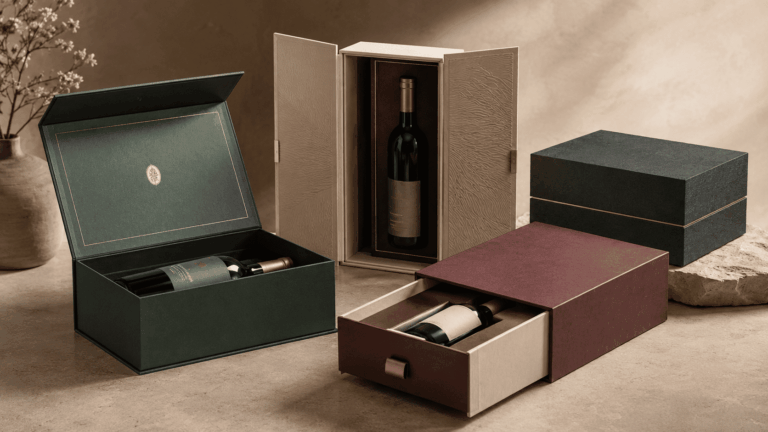
Die Struktur prägt die Interaktion. Magnetische Klappboxen ermöglichen ein einfaches Öffnen mit einer einzigen Bewegung. Schubladenboxen geben die Flasche nach und nach frei. Doppeltürboxen betonen die Symmetrie, während faltbare Formate sich für Projekte mit begrenztem Stauraum eignen. Boxen mit Griffen bieten zusätzlichen Tragekomfort, wenn ein direkter Transport wichtig ist.
Keine Konstruktion ist per se überlegen. Die Wahl hängt vom Flaschengewicht, der Einsatzgestaltung, der Montageart, dem Vertriebskanal und dem Präsentationsziel ab. TopWinePack-kundenspezifische Lösungen Wir präsentieren Ihnen luxuriöse, faltbare, gewellte und andere kundenspezifische Weinverpackungen, die den unterschiedlichen Anforderungen verschiedener Marken gerecht werden.
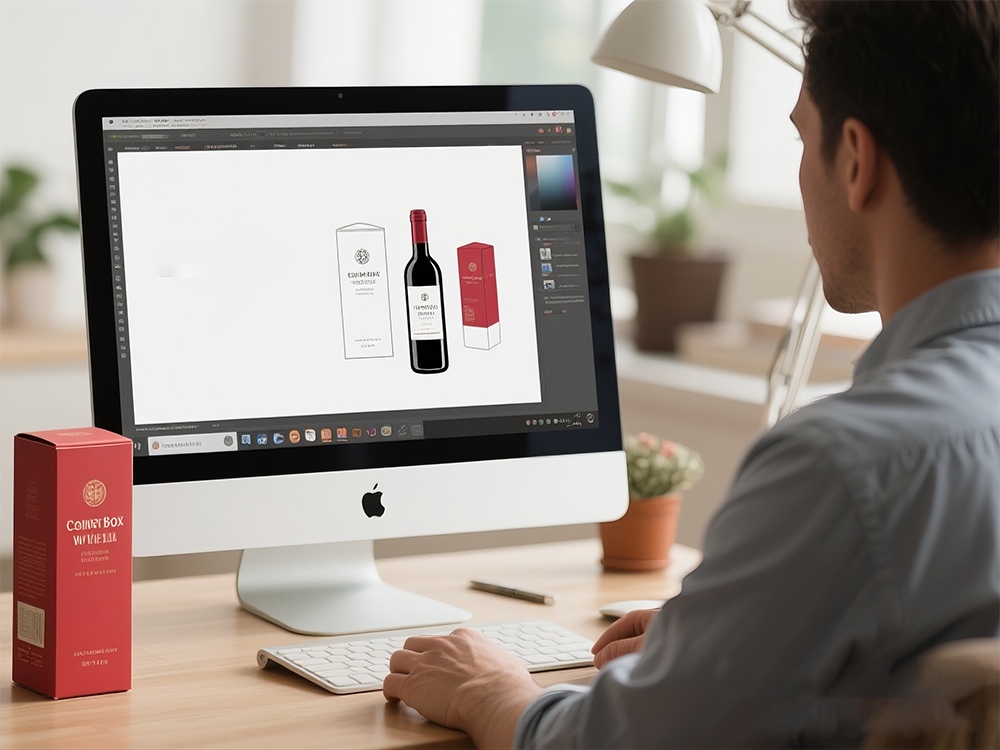
Nutzen Sie die Oberflächengestaltung, um den Fokus zu lenken
Folienprägung, Reliefprägung, partielle UV-Lackierung, Strukturpapier, Mattfolien, Bänder und Metallic-Details sollten die Aufmerksamkeit auf ausgewählte Markenelemente lenken. Mehrere Veredelungen auf derselben Fläche können die Klarheit beeinträchtigen und die Produktionskontrolle erschweren.
Ein fokussiertes Weinverpackungsdesign könnte beispielsweise eine Prägung für das Markenlogo und eine dezente Folienlinie zur Produktdifferenzierung nutzen. Ein anderes Projekt setzt möglicherweise allein auf die Papierstruktur. Die Entscheidung sollte sich nach Markenpositionierung, Handhabungsanforderungen und Werbebotschaft richten.
Gestaltung von Einlegern und Formaten rund um das Produktangebot
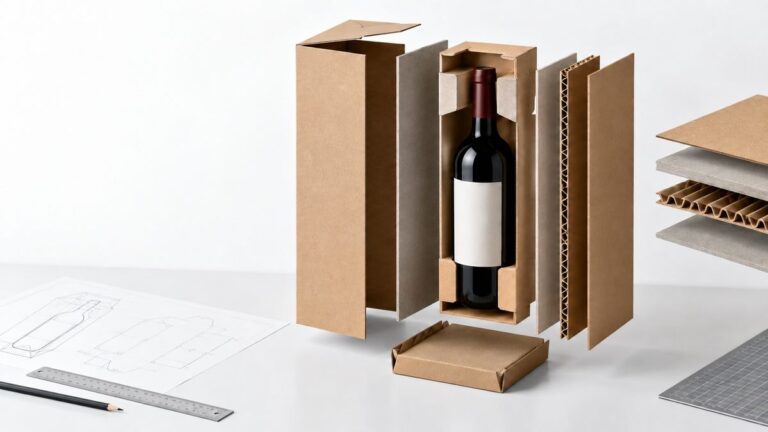
Der Einsatz dient zur Steuerung der Flaschenposition, der Etikettensichtbarkeit, der Entnahme und der Balance. EVA, beflockter Schaumstoff, Formfaser und Karton weisen unterschiedliche Wandstärken auf. Die Kontaktpunkte sollten Beschädigungen an Etiketten oder Verschlüssen vermeiden.
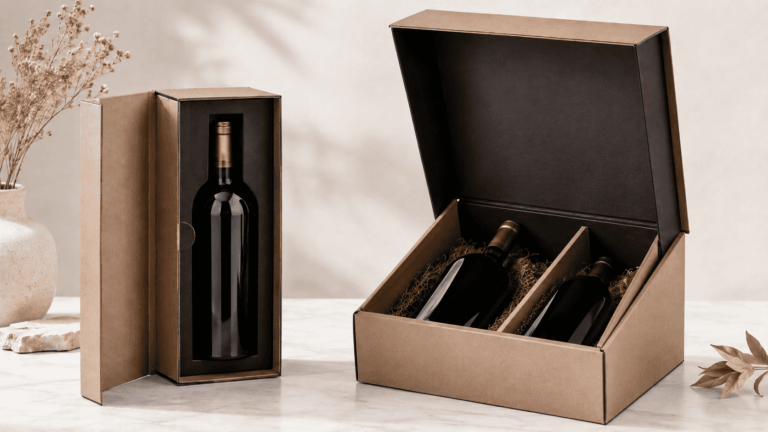
Eine Geschenkbox für Wein mit Zubehör benötigt separate Fächer, damit Werkzeuge oder Gläser die Flasche nicht berühren. Einzelflaschenverpackungen lenken die Aufmerksamkeit auf ein einzelnes Produkt, während Sets mit zwei Flaschen und Zubehör größere Geschenkaktionen unterstützen. Sammlung von Weinkartons aus Pappe bietet Referenzen für verschiedene papierbasierte Strukturen.
Prüfen, ob das Design den Vertriebsplan unterstützt
Die Genehmigung sollte neben der rein visuellen Präferenz auch wirtschaftliche Kriterien berücksichtigen. Das Team benötigt ein Hauptziel und eine praktikable Methode zur Beurteilung des Ergebnisses.
Optionen anhand eines Ziels vergleichen
Ein sinnvoller Vergleich könnte eine stärkere Wiedererkennung im Regal, eine bessere Vollständigkeit der Geschenksets, eine klarere Positionierung von Premiumprodukten oder eine verbesserte Online-Präsentation testen. Werden mehrere Ziele und Designänderungen gleichzeitig getestet, ist das Ergebnis schwer zu interpretieren.
Produkt, Preis und Vertriebskanal sollten möglichst stabil gehalten werden. Anschließend können Variablen wie die Hierarchie der Frontplatte, das Öffnungsformat, das Zubehörsortiment oder die Platzierung der Oberflächenveredelung verglichen werden.
Überprüfung des Designs über alle Geschäftsbereiche hinweg
Markenteams können die Markenidentität beurteilen, Vertriebsteams können die Kanalpassung überprüfen und Betriebsteams können Montage, Verladung, Lagerung und Wiederholbarkeit prüfen.
Diese Überprüfung verhindert, dass ein visuell überzeugendes Konzept aufgrund ungelöster operativer Probleme weiterentwickelt wird. Sie trennt außerdem wesentliche Markenmerkmale von Details, die zusätzlichen Aufwand bedeuten, ohne das Angebot zu verbessern. Feedback der Vertriebsteams sollte zusammen mit Kommentaren der Verpackungs- und Betriebsmitarbeiter erfasst werden.
Nutzen Sie praktische Handelsindikatoren
Nützliche Indikatoren können beispielsweise das Feedback von Einzelhandelskunden, die Akzeptanz im Rahmen von Geschenkaktionen, Nachbestellungen, Reklamationen bezüglich der Verpackung oder Unterschiede zwischen kontrollierten Designversionen sein. Diese Kennzahlen sollten zusammen mit Preis-, Werbe-, Verfügbarkeits- und Produktänderungen betrachtet werden.
Individuell gestaltete Weinkartons können einen Vertriebsplan unterstützen, sollten aber nicht als alleinige Ursache für Umsatzsteigerungen dargestellt werden. Aussagekräftiger ist die Frage, ob die Verpackung einen bestimmten Kauf-, Präsentations- oder Vertriebskanal verbessert.
Produktformate für unterschiedliche Vertriebsziele
Sobald die kommerziellen Anforderungen definiert sind, können die Produktformate im Hinblick auf das angestrebte Verkaufsziel bewertet werden.
Einzelflaschenpräsentation
Die Faltbarer Weinkarton für eine einzelne Flasche Die Box kombiniert stabile Pappe, eine faltbare Einzelflaschenkonstruktion, UV-Texturdruck und einen Tragegriff. Größe, Farbe, Druck und Griffart sind individuell anpassbar. Das Format eignet sich für Verkaufsdisplays, Firmenveranstaltungen und Geschenkaktionen, bei denen kompakte Aufbewahrung und ansprechende Präsentation wichtig sind.
Der kommerzielle Wert hängt weiterhin von der Ausführung ab. Überprüfen Sie vor Produktionsbeginn anhand des tatsächlichen Produkts die Position des Bandes, die Form der Montage, die Passform der Flasche und den Oberflächenschutz.
Geschenkpräsentation mit zwei Flaschen
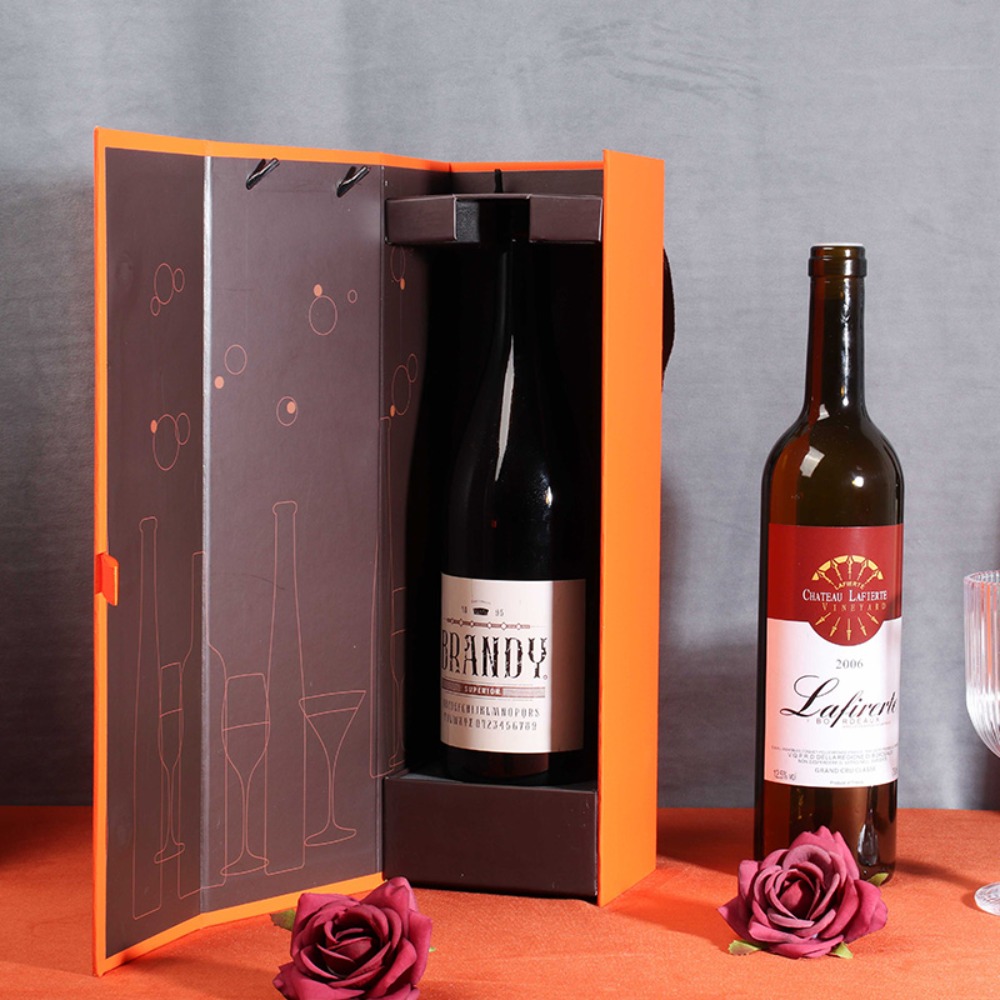
Die Premium-Geschenkbox aus orangefarbenem Leder für zwei Weinflaschen Diese Box ist für zwei Standardflaschen à 750 ml konzipiert. Sie verfügt über separate Fächer, einen Tragegurt, einen Ledergriff, einen Metallverschluss sowie ein Set mit Korkenzieher, Folienschneider, Ausgießer und Tropfring. Logo, Farbe, Material und weitere Details sind individuell anpassbar.
Dieses Beispiel zeigt, wie eine stimmige Weingeschenkbox Wein und Accessoires harmonisch vereint. Achten Sie darauf, dass jedes Accessoire zur Zielgruppe passt und das Gesamtpaket Budget, Vertriebskanal und Anlass berücksichtigt.
Endgültige Designentscheidung
Vor der Freigabe von Markenweinverpackungen müssen Verkaufsziel, Vertriebskanal, Produktpalette, Kundenaktion, visuelle Hierarchie, Struktur, Beilage, Veredelung und Produktionswiederholbarkeit geprüft werden. Jedes Merkmal sollte Wiedererkennungswert, Wertsteigerung, Geschenkeignung, Schutz oder Komfort fördern.
TopWinePack Unterstützt kundenspezifische Projekte in den Bereichen Struktur, Material, Druck, Logo, Zubehör und Einlagen, mit Mustererstellung vor Produktionsbestätigung.
Teilen Sie den Vertriebskanal, das Flaschenformat, die Zielgruppe, das Artwork und die Präsentationsprioritäten über den TopWinePack-Kontaktseite um ein Muster für die kommerzielle und produktionstechnische Prüfung vorzubereiten.
FAQ (häufig gestellte Fragen)
F: Kann ein individuell gestaltetes Weinkartondesign höhere Umsätze garantieren?
A: Nein. Verpackungen können die Wiedererkennung, die Wertkommunikation, die Eignung als Geschenk und die Kanalanpassung verbessern, aber der Absatz hängt auch von der Produktqualität, dem Preis, dem Vertrieb, der Werbung und der Verfügbarkeit ab.
F: Welches Verpackungsformat eignet sich am besten für eine Premium-Positionierung?
A: Die Wahl hängt von der Flaschenart, dem Preisniveau, dem Vertriebskanal, dem Verwendungszweck (Geschenk), den Lagerbedingungen und dem Abfüllprozess ab. Verschiedene Flaschenformen können eine Premium-Positionierung ermöglichen, wenn Material, Passform und Verarbeitung stimmen.
F: Sollte jede Weinmarke aufwendige dekorative Verzierungen verwenden?
A: Nein. Die Veredelung sollte den Fokus lenken und die Hierarchie unterstreichen. Zu viel Folie, partieller UV-Lack, Prägungen, Bänder oder Metallteile können die Kosten erhöhen und die visuelle Unruhe verstärken, ohne die Werbebotschaft zu verbessern.