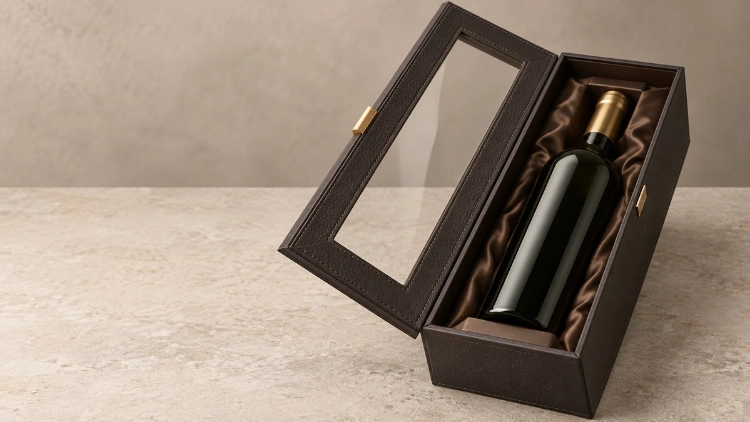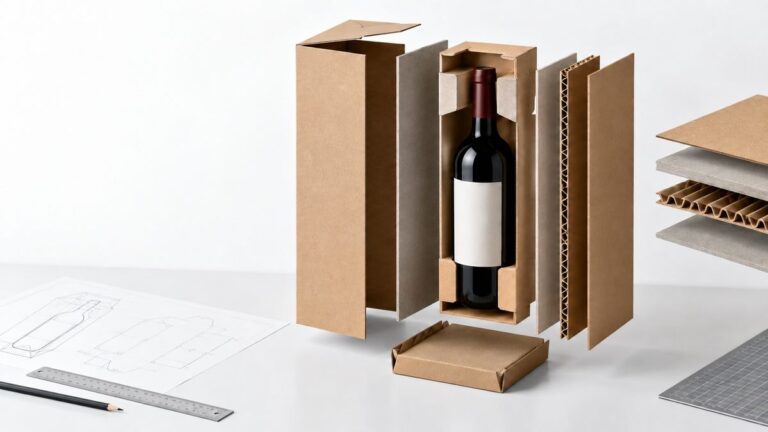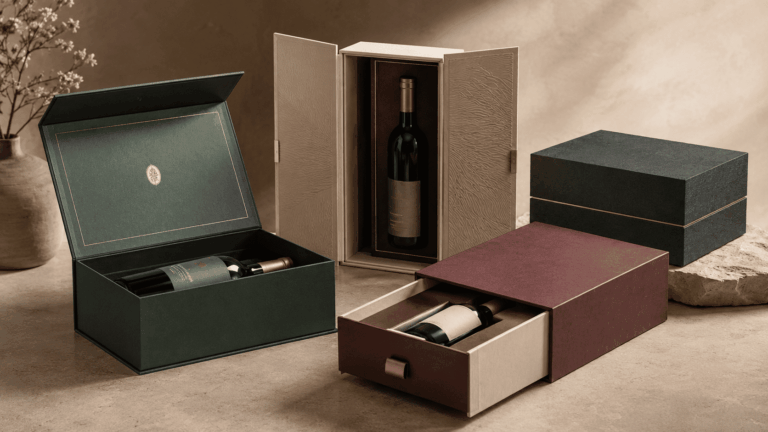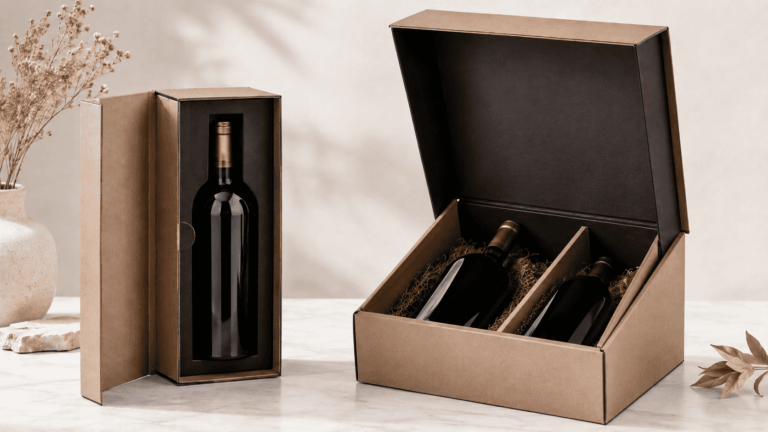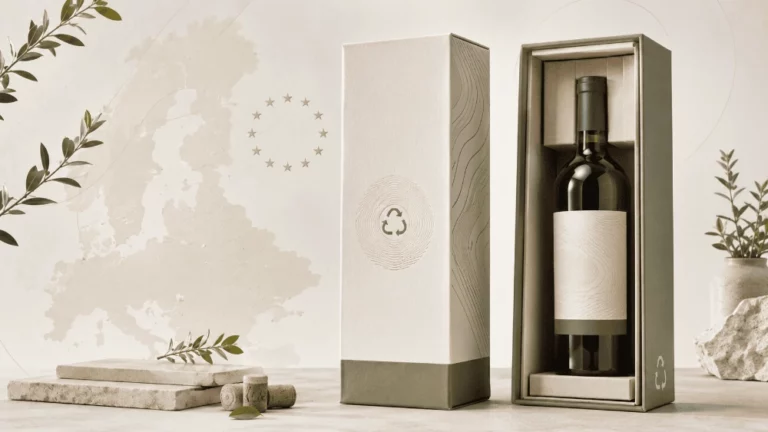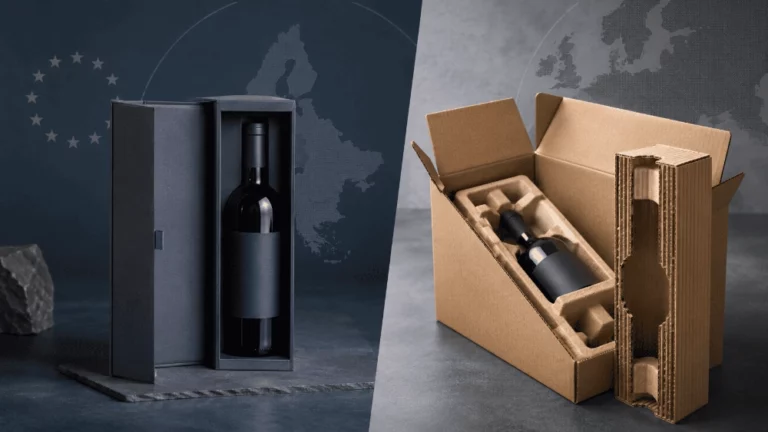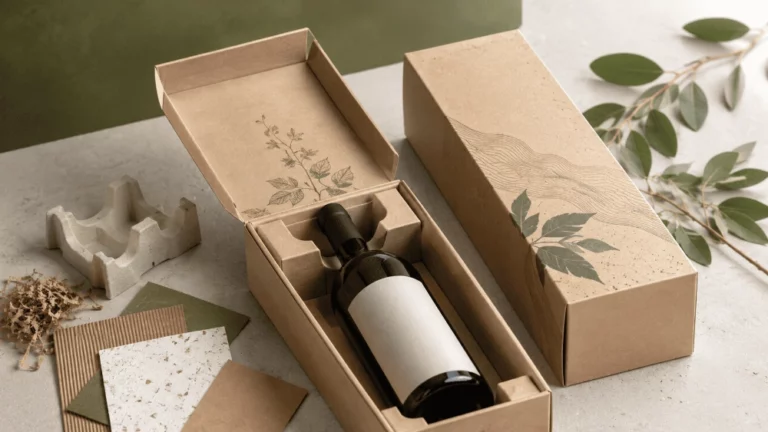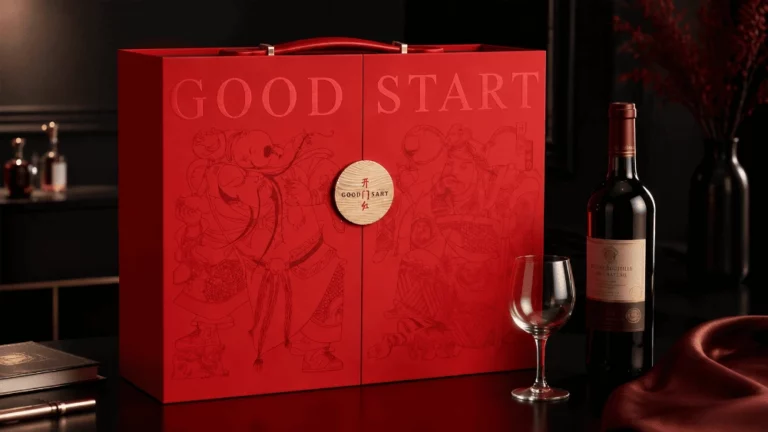

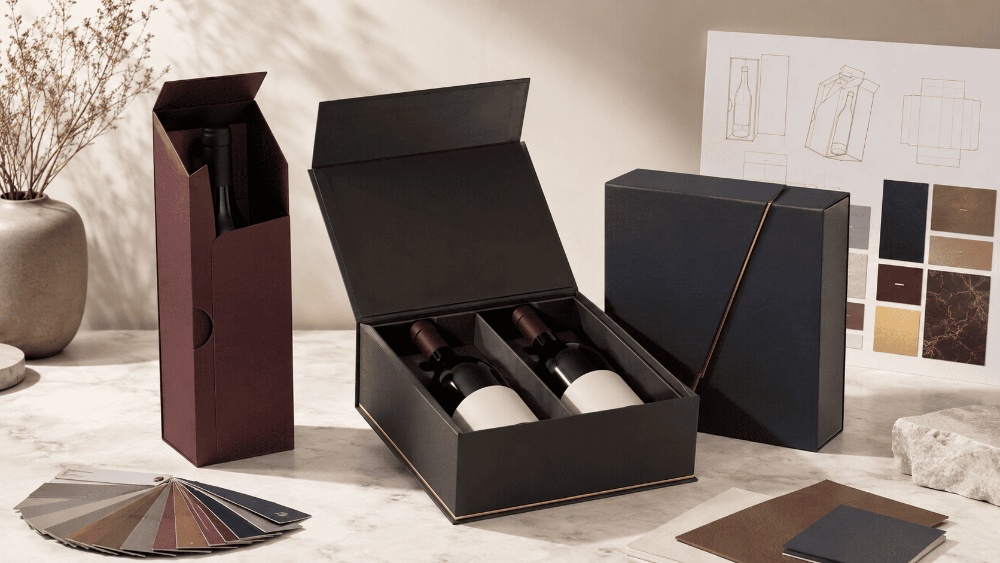
El empaque no puede reemplazar la calidad del vino, su precio, distribución ni promoción. Sin embargo, puede ayudar a que un producto gane reconocimiento, comunique su valor y se adapte a una ocasión de venta específica. Un diseño eficaz de cajas de vino personalizadas conecta la estructura, los materiales, los gráficos y la experiencia del usuario con un objetivo comercial.
El proyecto debe comenzar con el problema de ventas, no con una lista de acabados. Un briefing sólido debe especificar si el envase necesita mejorar el reconocimiento en el lineal, el posicionamiento premium, la presentación para regalo, la imagen online o la coherencia de la línea de productos. El empaquetado del vino de marca debe ayudar a los compradores a identificar el producto y determinar si es adecuado para la venta minorista, la venta directa, los regalos corporativos o una edición limitada.
Donde el diseño personalizado de cajas de vino puede impulsar las ventas
Una caja de vino influye en el reconocimiento, el juicio de valor, la disposición para regalar y la apertura. Cada momento requiere una respuesta de diseño vinculada a un propósito comercial.
Reforzar el reconocimiento en el primer contacto.
El reconocimiento comienza con la jerarquía visual. La marca, la gama de productos, el tipo de botella y el gráfico principal no deben competir por la misma atención. Un panel frontal bien diseñado suele comunicar más rápidamente que una superficie con demasiados acabados.
El color, la escala del logotipo, la tipografía y la forma estructural deben conectar los productos relacionados. El empaque de vino de marca resulta más útil cuando todas las superficies siguen un mismo sistema. Esto también ayuda a los equipos de ventas a presentar líneas de productos relacionadas sin tener que reinventar el lenguaje del empaque para cada lanzamiento.
Hacer que el posicionamiento premium sea creíble.
El valor premium depende de la coherencia. La rigidez del cartón, la textura del papel, la precisión de la inserción, el acabado de los bordes, el control del color y la calidad del acabado deben estar a la altura del mercado. La decoración metálica no corrige una estructura inestable ni un mal ajuste de la botella.
El diseño del empaque del vino debe estar acorde con el precio de la botella y la ocasión. Una línea principal para el consumidor final puede requerir un acabado distintivo, mientras que una edición para coleccionistas puede justificar una presentación más elaborada. El objetivo es lograr una presentación creíble para los compradores y que los equipos de ventas puedan explicar de forma coherente.
Mejorar la preparación para regalar
El empaque para regalo debe ser funcional después de la venta, y el diseño de la caja de vino debe reflejar ese uso. Es posible que deba transportarse, presentarse sin envoltorio adicional, abrirse formalmente y conservarse después de sacar la botella.
Las asas, los tiradores de cinta, la ubicación de las tarjetas, los compartimentos para accesorios y los soportes seguros pueden hacer que una oferta se sienta completa. El formato debe estar al servicio del programa de regalos, en lugar de añadir elementos sin propósito.
Adapta el diseño al canal de ventas.
La misma caja puede no tener el mismo éxito en todos los canales de venta. La distancia en el estante, la fotografía, el almacenamiento, la manipulación y las expectativas de obsequio deben influir en el diseño del producto.
Los estantes de las tiendas necesitan un reconocimiento rápido.
El embalaje para la venta al por menor debe comunicar información desde el ángulo de visión habitual. El frontal debe identificar rápidamente la marca y la gama de productos, mientras que los laterales y la parte superior facilitan el apilamiento y la revisión en el estante. Se puede incluir una ventana para ver la botella o la etiqueta, pero su posición debe preservar la resistencia estructural.
El empaque del vino para la venta al por menor debe resistir la manipulación habitual. Los papeles oscuros, las películas de alto brillo y los elementos metálicos que sobresalen pueden requerir protección adicional. El empaque de vino de marca para tiendas debe revisarse teniendo en cuenta las dimensiones del estante, la orientación, la posición del precio y los productos cercanos.
Presentación de necesidades de ventas directas y ajuste operativo
Las ventas directas dependen en gran medida de las imágenes del producto y de una experiencia de apertura controlada. Una silueta nítida, un logotipo visible y un interior ordenado pueden mejorar la presentación online. La caja debe, además, facilitar el proceso de llenado, almacenamiento y envío.
El diseño del empaque de vino para este canal debe evitar elementos que se vean bien en las fotos pero que dificulten su manipulación. Las estructuras de gran tamaño aumentan la necesidad de almacenamiento, las superficies delicadas pueden rayarse durante el llenado y los accesorios sueltos pueden desplazarse.
Los regalos corporativos necesitan una oferta completa.
Los regalos corporativos requieren una presentación formal, una imagen de marca coherente y espacio para información específica del proyecto. Las ediciones limitadas necesitan diferenciarse sin perder la conexión con la línea principal de productos. Ambos se benefician de un diseño de caja de regalo para vino que defina la posición de la botella, la ubicación de la tarjeta y el orden de apertura.
El resultado también debe ser reproducible. Los colores de temporada, los detalles metalizados o las inserciones pueden crear diferenciación, pero cada elemento aprobado debe seguir siendo práctico en toda la cantidad de producción prevista.
Construya un sistema de empaquetado de marca repetible.
Un diseño de envase de vino reproducible facilita futuras extensiones de producto, mejora la coherencia en todos los canales y reduce los rediseños innecesarios.
Establezca una jerarquía visual clara.
Asigne una función principal a cada superficie. El frontal puede establecer el reconocimiento, el lateral puede mostrar información complementaria y el interior puede ampliar la presencia de la marca tras la apertura. Repetir el mismo logotipo a la misma escala en todos los paneles suele debilitar la jerarquía.
Un sistema de empaquetado de vino bien estructurado controla el color y la tipografía. Los colores principales pueden permanecer invariables, mientras que los secundarios identifican las variedades o las ocasiones. El texto debe ser legible en el papel elegido.
Utilizar la estructura como identidad de marca
La estructura moldea la interacción. Las cajas magnéticas con apertura abatible permiten un movimiento de apertura claro y sencillo. Las cajas con cajones revelan la botella gradualmente. Las cajas de doble puerta enfatizan la simetría, mientras que los formatos plegables pueden ser adecuados para proyectos con espacio de almacenamiento limitado. Las cajas con asas facilitan el transporte cuando este es importante.
Ninguna estructura es automáticamente superior. La elección depende del peso de la botella, el diseño del inserto, el método de ensamblaje, el canal de ventas y el objetivo de presentación. Soluciones personalizadas de TopWinePack Presentamos opciones de embalaje de lujo, plegables, de cartón corrugado y otros embalajes personalizados para vino, adaptados a las necesidades de diferentes marcas.
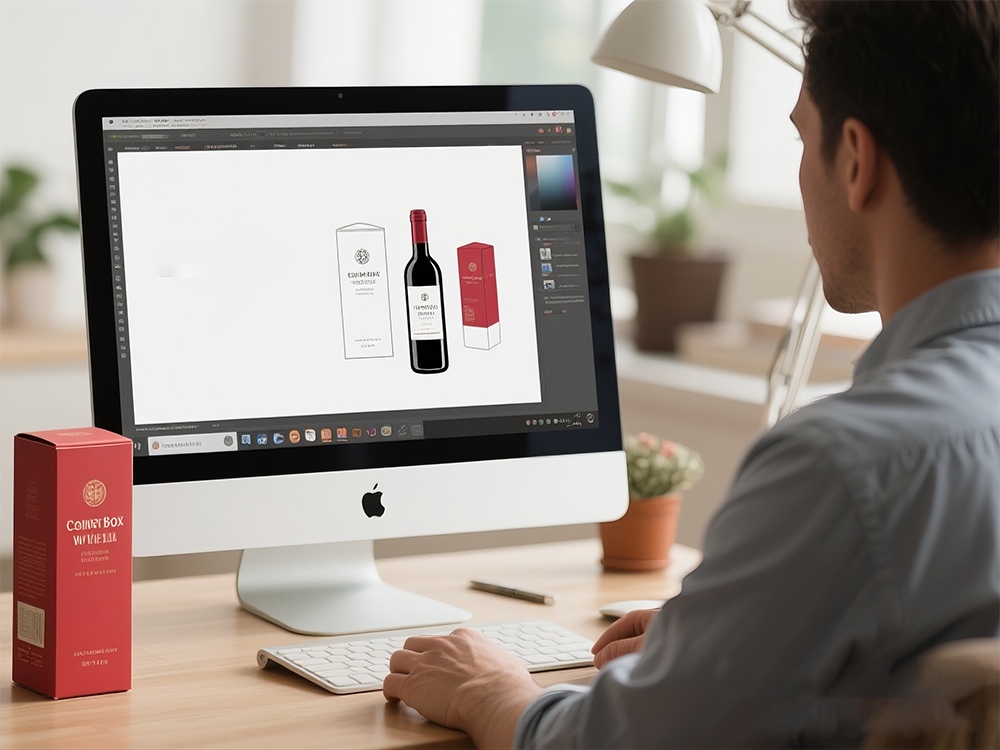
Utilice el acabado para crear enfoque.
El estampado en caliente, el relieve, el barnizado UV selectivo, el papel texturizado, las películas mate, las cintas y los detalles metálicos deben dirigir la atención hacia los elementos de marca seleccionados. La aplicación de varios acabados en la misma área puede reducir la claridad y complicar el control de producción.
El diseño de un envase de vino específico podría utilizar el relieve para el logotipo y una discreta línea metalizada para diferenciar el producto. Otro proyecto podría basarse únicamente en la textura del papel. La decisión debe tener en cuenta el posicionamiento de la marca, las necesidades de manipulación y el mensaje comercial.
Diseño de inserciones y formatos en torno a la oferta del producto
El inserto controla la posición de la botella, la visibilidad de la etiqueta, su extracción y el equilibrio. El EVA, la espuma flocada, la pulpa moldeada y el cartón utilizan diferentes espesores de pared. Los puntos de contacto deben evitar dañar las etiquetas o los cierres.
El diseño de una caja de regalo para vino con accesorios necesita compartimentos separados que impidan que las herramientas o la cristalería toquen la botella. El empaque de una sola botella centra la atención en un solo producto, mientras que los juegos de dos botellas y accesorios son adecuados para programas de regalo más grandes. Colección de cajas de cartón para vino Proporciona referencias para varias estructuras basadas en papel.
Compruebe si el diseño respalda el plan de ventas.
La aprobación debe incluir criterios comerciales, no solo preferencias visuales. El equipo necesita un objetivo principal y una forma práctica de evaluar el resultado.
Comparar opciones en función de un objetivo
Una comparación útil podría evaluar un mayor reconocimiento en el lineal, una mejor presentación del producto como obsequio, un posicionamiento más claro para productos premium o una mejor presentación en línea. Probar varios objetivos y cambios de diseño a la vez dificulta la interpretación del resultado.
Mantenga estables el producto, el precio y el canal de distribución en la medida de lo posible. Luego, compare variables como la jerarquía del panel frontal, el formato de apertura, el conjunto de accesorios o la ubicación del acabado.
Revisar el diseño en todas las funciones empresariales.
Los equipos de marca pueden evaluar la identidad, los equipos de ventas pueden juzgar la adecuación al canal y los equipos de operaciones pueden comprobar el montaje, la carga, el almacenamiento y la repetibilidad.
Esta revisión evita que un concepto visualmente atractivo avance con problemas operativos sin resolver. Además, distingue las características esenciales de la marca de los detalles que generan trabajo adicional sin mejorar la oferta. Los comentarios de los equipos de ventas deben registrarse junto con los del personal de empaquetado y operaciones.
Utilice indicadores comerciales prácticos.
Algunos indicadores útiles pueden ser las opiniones de los compradores minoristas, la aceptación en proyectos de regalos, los pedidos repetidos, las quejas relacionadas con el empaque o las diferencias entre versiones de diseño controladas. Estas medidas deben interpretarse junto con los cambios en el precio, las promociones, la disponibilidad y el producto.
El diseño personalizado de cajas de vino puede respaldar un plan de ventas, pero no debe presentarse como la única causa del aumento de las ventas. La pregunta más pertinente es si el empaque mejora una condición específica de compra, presentación o canal de distribución.
Formatos de producto para diferentes objetivos de ventas
Una vez definidos los requisitos comerciales, los formatos de producto pueden evaluarse en función del objetivo de ventas previsto.
Presentación de botella individual
El Caja de cartón plegable para una botella de vino Combina cartón rígido, una estructura plegable para una sola botella, impresión texturizada UV y un asa de cinta. Se pueden personalizar el tamaño, el color, la impresión y el estilo del asa. Este formato es ideal para exhibidores en tiendas, eventos corporativos y programas de regalos donde el almacenamiento compacto y la presentación práctica son importantes.
Su valor comercial aún depende de la ejecución. Confirme la posición de la cinta, la forma ensamblada, el ajuste a la botella y la protección de la superficie con el producto real antes de la producción.
Presentación de regalo con dos botellas
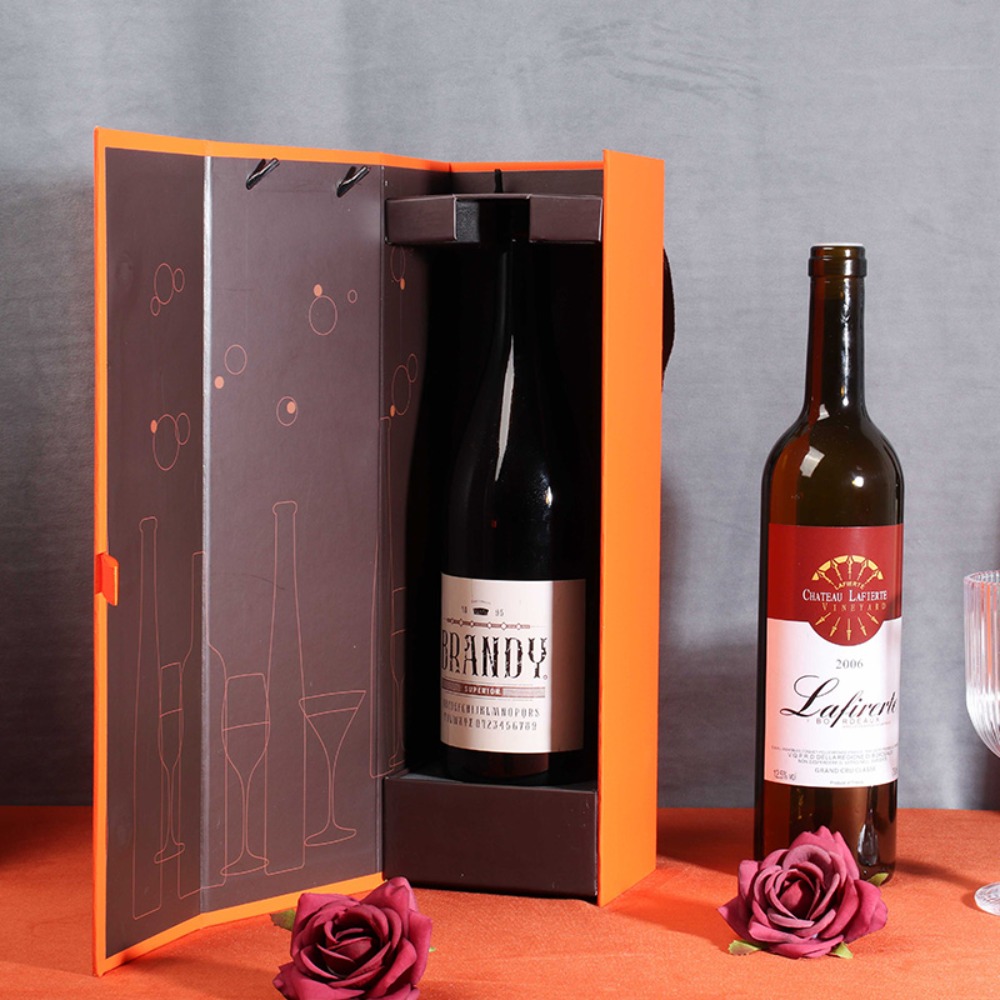
El Caja de regalo doble para botellas de vino, de piel naranja de primera calidad. Está diseñada para dos botellas estándar de 750 ml. Incluye compartimentos específicos, una correa, un asa de cuero, un cierre metálico y un juego con sacacorchos, cortador de cápsulas, vertedor y anillo antigoteo. El logotipo, el color, el material y otros detalles se pueden personalizar.
Este formato muestra cómo un diseño coordinado de caja de regalo para vino puede combinar vino y accesorios en una sola presentación. Confirme que cada accesorio se ajuste al cliente objetivo y que el paquete completo se adapte al presupuesto, el canal de distribución y la ocasión.
Decisión de diseño final
Antes de aprobar el empaque de vino de marca, confirme el objetivo de ventas, el canal, la gama de productos, la acción del cliente, la jerarquía visual, la estructura, el inserto, el acabado y la repetibilidad de la producción. Cada elemento debe contribuir al reconocimiento, el valor, la conveniencia para regalar, la protección o la comodidad.
TopWinePack Ofrece soporte para proyectos personalizados en cuanto a estructura, material, impresión, logotipo, accesorios e inserciones, con la posibilidad de realizar muestras antes de confirmar la producción.
Comparta el canal de ventas, el formato de la botella, el cliente objetivo, el diseño gráfico y las prioridades de presentación a través de la Página de contacto de TopWinePack preparar una muestra para su revisión comercial y de producción.
Preguntas frecuentes
P: ¿El diseño personalizado de cajas de vino garantiza mayores ventas?
R: No. El empaque puede mejorar el reconocimiento, la comunicación de valor, la preparación para regalar y la adecuación al canal, pero las ventas también dependen de la calidad del producto, el precio, la distribución, la promoción y la disponibilidad.
P: ¿Qué formato de envase es el más adecuado para un posicionamiento premium?
A: La elección depende de la botella, el nivel de precio, el canal de venta, el propósito del regalo, las condiciones de almacenamiento y el proceso de llenado. Varias estructuras pueden favorecer un posicionamiento premium cuando se controlan los materiales, el ajuste y el acabado.
P: ¿Deberían todas las marcas de vino utilizar acabados decorativos complejos?
R: No. El acabado debe crear un punto focal y reforzar la jerarquía. El exceso de lámina, barniz UV selectivo, relieve, cintas o piezas metálicas puede aumentar el costo y generar ruido visual sin mejorar el mensaje comercial.