
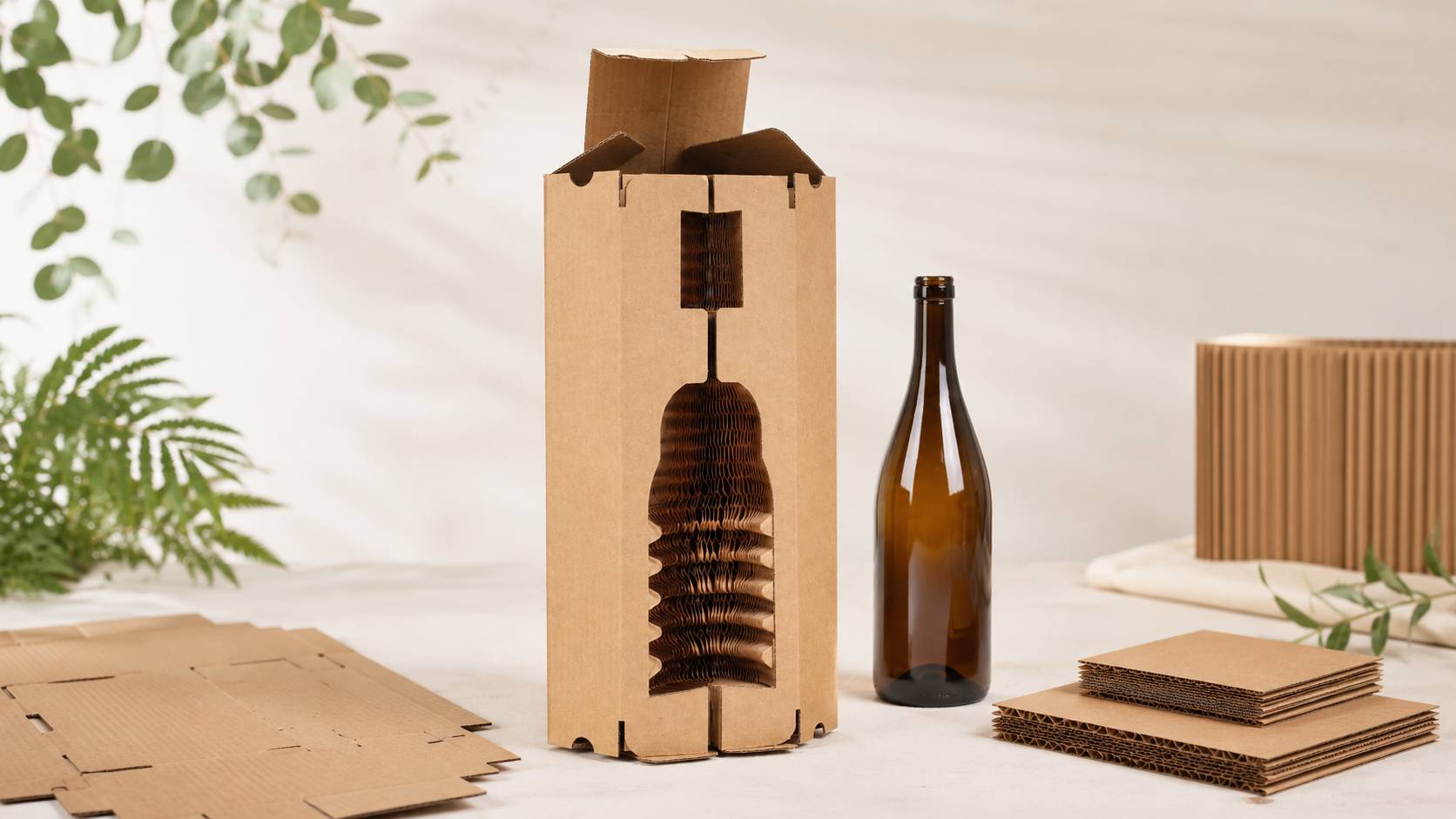
Bei Verpackungsbesprechungen im Jahr 2026 reicht Umweltfreundlichkeit allein nicht aus. Ein Einkäufer mag die Kraftpapierverpackung schätzen, während ein Händler nach der Herkunft des Kartons fragt und ein Einzelhändler wissen möchte, was „recycelbar“ in seinem Markt bedeutet. Das ist der wahre Test für nachhaltige Weinkartonverpackungen.
Auch ein gutes Muster muss sich den üblichen Verpackungsfragen stellen. Welcher Karton befindet sich unter der Folie? Lässt sich die Einlage sauber entnehmen? Bleibt die Flasche beim Transport im Karton stabil? Hält die Werbeaussage einer Überprüfung im Vertriebsgebiet stand? Die stabilste nachhaltige Weinverpackung ist möglicherweise nicht die schlichteste oder gar die leichteste. Sie schützt die Flasche und ermöglicht dem Vertriebsteam, überzeugende Werbeaussagen zu formulieren.
1. Die Materialquelle ist wichtiger als der Look.
Die Farbe allein sollte nicht als Maßstab dienen. Papier und Karton eignen sich zwar oft gut für umweltfreundliche Weinkartons, doch eine braune Oberfläche beweist weder die Herkunft noch die Recyclingfähigkeit. Papier und Karton Sie kann recycelbare Verpackungsstrukturen unterstützen, sofern lokale Sammel- und Verarbeitungssysteme das fertige Material annehmen. Die FSC-Zertifizierung legt Wert auf verantwortungsvolle Beschaffung und Produktkette, anstatt die Recyclingfähigkeit zu garantieren.
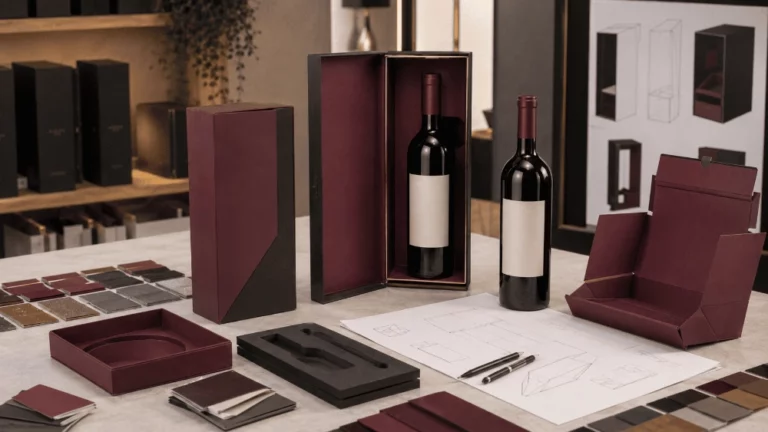
Erkundigen Sie sich nach FSC-zertifiziertem Karton oder einem anderen rückverfolgbaren Material, solange die Konstruktion noch leicht angepasst werden kann. Gängige Materialien für individuelle Weinkartons sind Graukarton mit Spezialpapier, Kraftpapier, weißer Karton, Gold- oder Silberkarton, Papier mit Lederstruktur, stabiler Karton und Wellpappe. Diese Bezeichnungen erleichtern die Angebotserstellung und die Mustererstellung. Sie sind jedoch nur der Anfang. Die praktische Prüfung erfolgt weiter unten: Kartonherkunft, Umhüllungspapier, Beschichtung, Einlage, Klebstoff und Endbearbeitung.
2. Die Recyclingfähigkeit muss dem Verkaufsmarkt entsprechen.
Ein Produktmanager wünscht sich möglicherweise eine einheitliche, leicht verständliche Recycling-Erklärung für jeden Markt. Recyclingfähige Weinkartonverpackungen lassen sich jedoch selten so einfach umsetzen. Eine Verpackung, die in einem Recyclingsystem akzeptiert wird, kann in einem anderen anders behandelt werden. Breite Behauptungen über Umweltvorteile Die Angaben sollten durch klare und konkrete Belege untermauert werden. Angaben zur Recyclingfähigkeit bedürfen möglicherweise einer Untermauerung, wenn geeignete Sammelstellen nicht flächendeckend verfügbar sind.
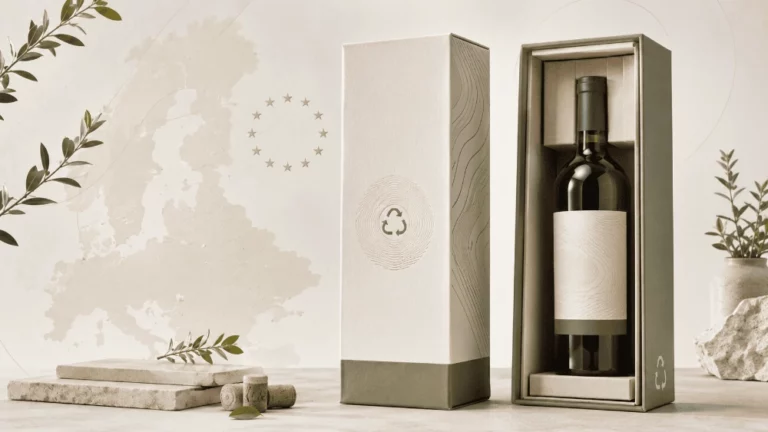
Auch in Europa erfordert die Verpackungsplanung eine langfristige Perspektive. EU-Verpackungspolitik strebt eine Recyclingfähigkeit über den gesamten Lebenszyklus und ein wirtschaftlich rentables Recycling bis 2030 an. Für kundenspezifische Verpackungsprojekte ab 2026 ist daher eine frühzeitige Überprüfung der Ansprüche sicherer als die Korrektur von Formulierungen nach der Freigabe der Druckvorlage.
Käufer sollten die Angaben zur Recyclingfähigkeit prüfen, bevor sie die Kennzeichnung freigeben. Ein Weinkarton kann Folie, Laminierung, Sichtfolie, Etiketten, Klebstoff oder einen Materialeinsatz enthalten. All dies kann die Angaben zur Recyclingfähigkeit verändern. Angaben, die umfangreiche Erläuterungen erfordern, sind möglicherweise nicht für eine prominente Platzierung auf der Verpackung geeignet.
3. Die Stabilität des Bretts muss die Flasche immer noch tragen.
Gefüllte Glasflaschen belasten Boden, Ecken und Tragepunkte des Kartons erheblich. Ein leichter Weinkarton mag in einem Meeting attraktiv klingen. Er verliert jedoch an Überzeugungskraft, wenn die Flasche verrutscht, der Deckel sich verbiegt oder sich der Boden weich anfühlt. Schutz ist daher ein wichtiger Aspekt der Nachhaltigkeit.
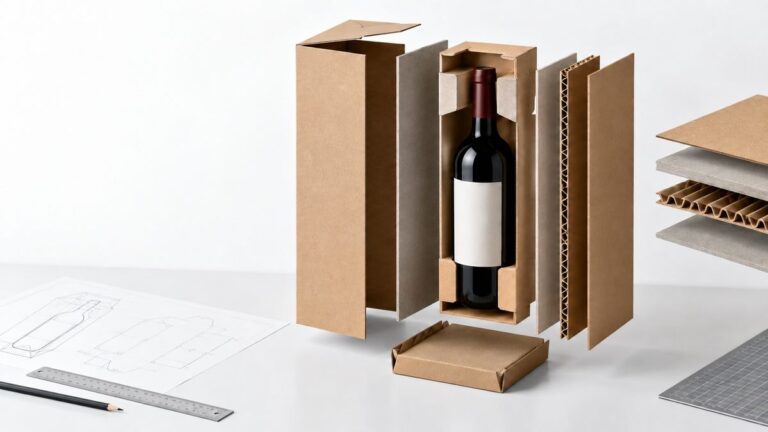
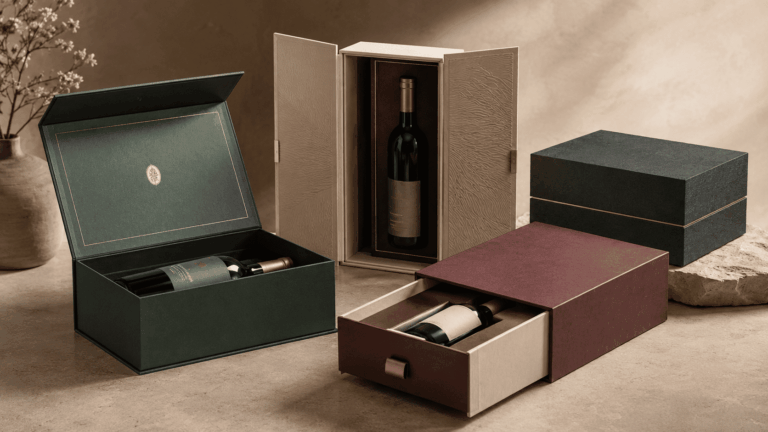
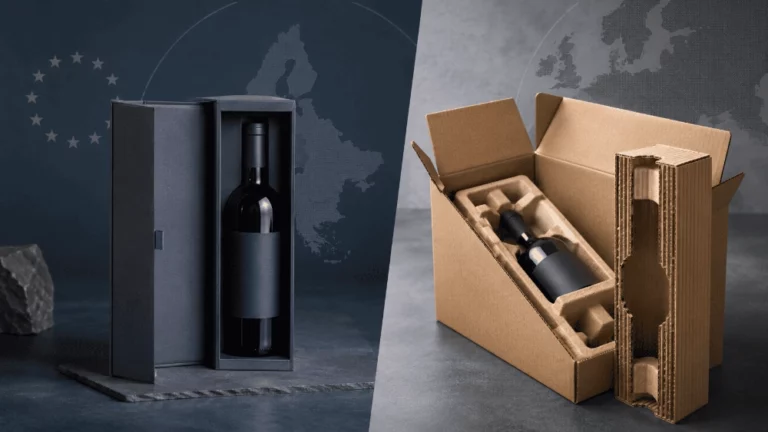
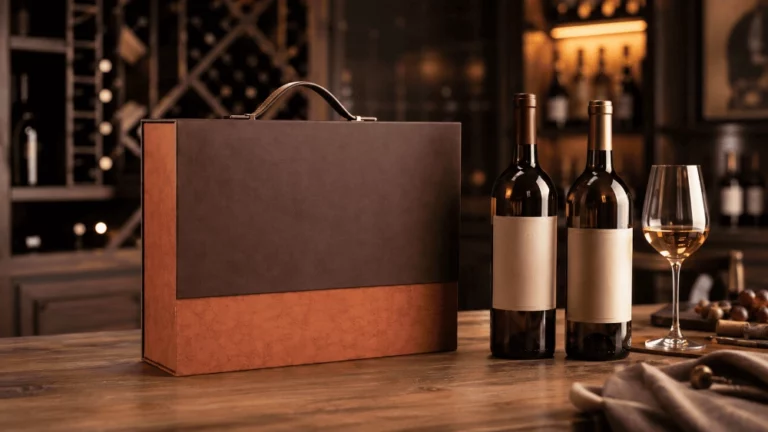
Kartonagen auf Papierbasis sind in individuellen Größen erhältlich, darunter auch für Einzel- und Doppelflaschen. Wellpappkartons für Einzelflaschen verdeutlichen, warum Kartonfestigkeit, Flaschenpassung und interne Stabilität gemeinsam geprüft werden müssen. Faltkartons, Magnetkartons, Schubladenkartons, Doppeltürkartons und Kartons mit Griffen stellen jeweils unterschiedliche Anforderungen an den Karton. Ein Boden für zwei Flaschen trägt eine andere Last als eine Hülle für eine Flasche. Auch bei einem Karton mit Griff muss die Tragfähigkeit nach wiederholtem Anheben überprüft werden.
4. Die richtige Dimensionierung beseitigt Verschwendung frühzeitig.
Die richtige Größe mag zwar nicht im Mittelpunkt einer Designprüfung stehen, sollte aber dennoch frühzeitig festgelegt werden. Bevor hochwertiges Papier ausgewählt wird, kann die Größe Materialverschwendung vermeiden. Ein zu großer Karton benötigt mehr Pappe, eine größere Einlage, beansprucht mehr Lagerplatz und schränkt die Bewegungsfreiheit der Flaschen ein. Ein zu enger Karton hingegen führt zu Produktionsproblemen: beschädigte Etiketten, eingedrückte Ecken und langsamere Verpackung.
Ein nachhaltiger Weinkarton muss die Form des Flaschenkörpers, der Schulter, des Flaschenhalses, des Verschlusses und jeglichen Zubehörs im Inneren berücksichtigen. Geschenksets sollten genauer betrachtet werden. Gläser, Korkenzieher, Grußkarten und Pralinen können zwar den Wert steigern, benötigen aber auch Hohlräume, Material und Montageaufwand. Wenn das Zubehör den Weinverkauf nicht fördert, hat es möglicherweise keinen Platz im Karton verdient.
5. Die Auswahlmöglichkeit kann über Erfolg oder Misserfolg der Behauptung entscheiden.
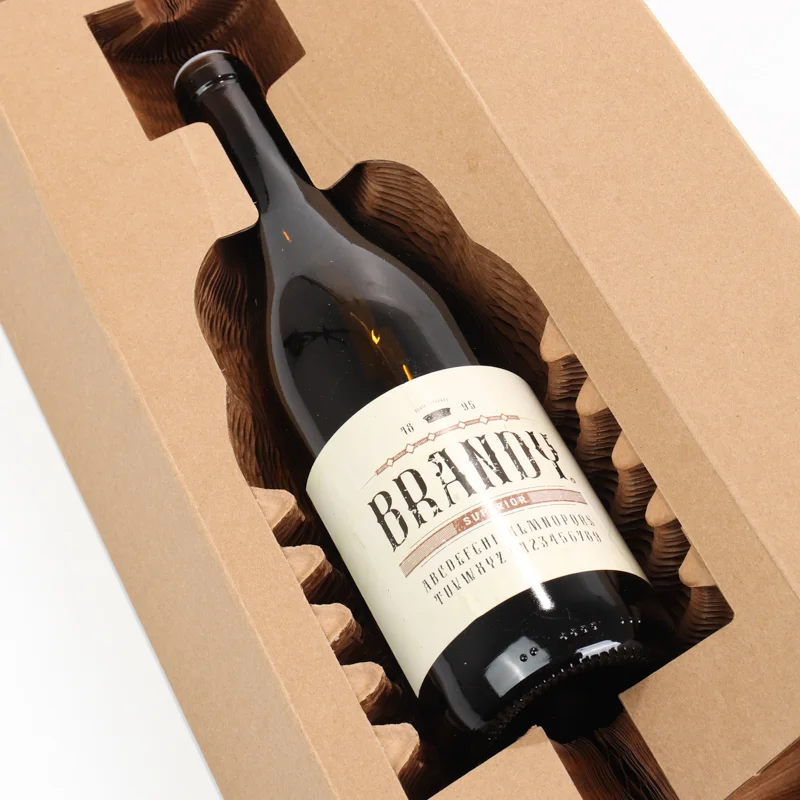
Der Einsatz ist der Punkt, an dem viele umweltfreundliche Ideen für Weinversandkartons entweder praktisch werden oder an Glaubwürdigkeit verlieren. Samttabletts, EVA-Schaum, Blisterverpackungen, Papiereinsätze, Trennwände aus Wellpappe und Formfaserplatten schützen zwar die Flaschen, doch ihre Entsorgung gestaltet sich anders. Eine recycelbare Außenhülle verliert an Glaubwürdigkeit, wenn der Inhalt schwer zu entnehmen ist oder aus einem Material besteht, das der Käufer nicht erwartet hat.
Bitten Sie darum, die Einlage außerhalb der Verpackung zu sehen, nicht nur bei einem geschlossenen Muster. Diese kurze Prüfung zeigt, ob sich die Materialien sauber trennen lassen, ob überschüssiger Klebstoff oder Klebeband im Inneren versteckt ist und ob die Flasche ohne Verformung verpackt werden kann. Im Onlinehandel ist Stoßfestigkeit möglicherweise wichtiger als eine dekorative Schale. Bei einem hochwertigen Geschenk muss die Einlage die Flasche sicher halten und auch beim Öffnen der Verpackung einen wertigen Eindruck machen.
6. Drucken und Fertigstellen – Anspruchsprüfung erforderlich
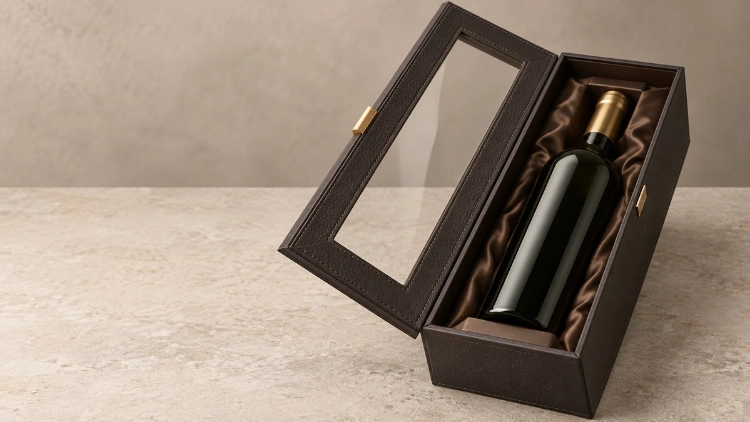
Individuelle Weinkartonverpackungen müssen im Regal ansprechend wirken. Heißfolienprägung, Prägung, partielle UV-Lackierung, Laminierung, Strukturpapier und Spezialfolien können eine Verpackung optisch aufwerten. Das gilt, wenn die Veredelung einen klaren Zweck erfüllt. Der Käufer muss sich jedoch eine weniger offensichtliche Frage stellen: Unterstützt diese Veredelung die Nachhaltigkeitsbotschaft oder erschwert sie deren Verteidigung?
Ein kleines Folienlogo kann genügen. Ein geprägtes Siegel auf ungestrichenem Papier wirkt zurückhaltend und edel. Dicke Folien, große Metallflächen oder zu viele Dekorschichten lassen die Verpackung optisch schwerer wirken. Sie können auch die Kommunikation zum Thema Recycling erschweren. Soll die Verpackung als umweltfreundlich oder recycelbar beworben werden, müssen Entscheidungen über die Oberflächenveredelung vor der Freigabe des Designs getroffen werden, nicht danach.
7. Faltbare oder flach versladbare Strukturen: Eine Abwägung ist erforderlich
Faltbare Weinkartons reduzieren das Lagervolumen vor dem Zusammenbau. Dies ist besonders wichtig für saisonale Projekte, Eventverpackungen und Sonderanfertigungen, bei denen die leeren Kartons vor dem Verpacken der Flaschen transportiert werden müssen. Transporteffizienz ist zwar ein Aspekt nachhaltiger Weinkartonverpackungen, sollte aber nicht getrennt von Schutz und Zusammenbau betrachtet werden.
Das Format erfordert ein ausgewogenes Verhältnis zwischen platzsparender Aufbewahrung, hoher Verarbeitungsqualität, Schutz und ansprechender Präsentation. Eine faltbare Verpackung muss sich sauber zusammenbauen lassen, formstabil sein, die Flasche schützen und gut in der Hand liegen. Für manche hochwertige Geschenkverpackungen ist eine stabile Box weiterhin notwendig, da das Öffnen selbst zum Wert beiträgt. Aufbewahrung ist wichtig, aber auch Schutz, Präsentation und die Möglichkeit zur Nachbestellung spielen eine entscheidende Rolle.
8. Der Wiederverwendungswert sollte geprüft und nicht angenommen werden.
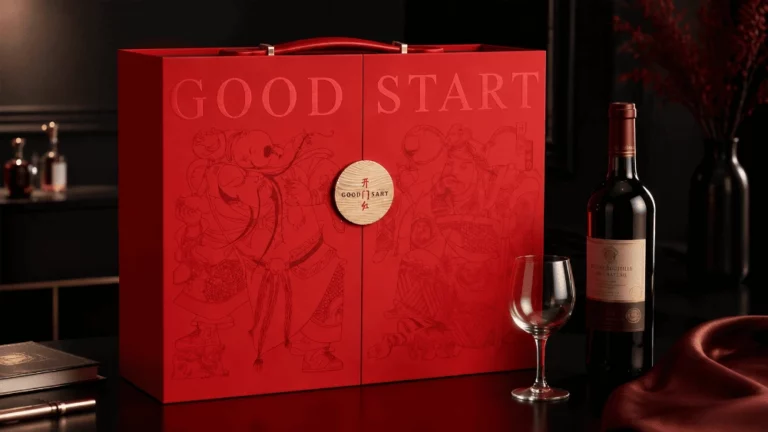
Wiederverwendbare Verpackungen können für Premiumweine ein echter Vorteil sein. Eine stabile Box kann zum Erinnerungsstück, Ausstellungsstück oder Aufbewahrungsbehälter werden. Wenn der Kunde sie aufbewahrt, trägt die Box die Marke auch nach dem Leeren der Flasche weiter.
Wiederverwendung sollte man jedoch nicht zu leichtfertig versprechen. Würde der Endkunde diese Box wirklich aufbewahren? Ist sie ansprechend, sauber und stabil genug für eine zweite Verwendung? Falls ja, könnte ein besserer Verschluss oder ein haltbarerer Karton den Mehraufwand an Material rechtfertigen. Falls nein, wäre eine leichtere, recycelbare Weinkartonverpackung womöglich die ehrlichere Wahl.
9. Behauptungstext benötigt Beweise
Die Formulierung von Werbeaussagen sollte sorgfältig gewählt werden. Nachhaltig, umweltfreundlich, recycelbar, kompostierbar, biologisch abbaubar und klimafreundlich verweisen jeweils auf unterschiedliche Arten von Belegen. Pauschale Umweltversprechen lassen sich schwer untermauern, wenn sie nicht durch klare, spezifische Vorteile untermauert werden. Angaben zu Weinverpackungen sollten auf verifizierten Fakten beruhen und nicht auf der Gestaltung.
Eine aussagekräftigere Formulierung könnte beispielsweise darauf hinweisen, dass für das Projekt FSC-zertifizierter Karton verfügbar ist oder dass eine bestimmte Kartonkomponente dort recycelbar ist, wo sie von lokalen Recyclingprogrammen angenommen wird. Eine weniger aussagekräftige Formulierung besagt lediglich, dass die Verpackung umweltfreundlich ist. Bevor der Werbetext auf dem Artwork erscheint, sollten Zertifikate, Materialzusammensetzung, Recyclingfähigkeit und etwaige Richtlinien zur Logoverwendung geprüft werden.
10. Prüfprotokolle aufbewahren, damit die nächste Bestellung reibungslos abläuft.
Die letzte Prüfung betrifft die Dokumentation, und diese umfasst mehr als nur administrative Aufgaben. Bewahren Sie die genehmigte Stanzform, die Materialspezifikation, gegebenenfalls Zertifikate, Freigabevermerke für Muster, den Korrekturabzug der Druckvorlage und die finale Produktionsversion auf. Diese Unterlagen gewährleisten, dass die Marketingbotschaft eng mit der tatsächlichen Verpackung verknüpft ist.
Sie helfen auch bei der Nachbestellung einer erfolgreichen nachhaltigen Weinbox für 2026. Die nächste Charge sollte nicht von einem alten Nachrichtenverlauf oder der Erinnerung einer Person an das Muster abhängen. Karton, Packpapier, Einleger, Druckfarbe, Oberflächenbehandlung und Werbetext sollten vor einer saisonalen Aktualisierung des Designs oder einer Nachbestellung leicht zu finden sein.
Wie passt ein Wellpappkarton für eine einzelne Weinflasche auf die Checkliste?
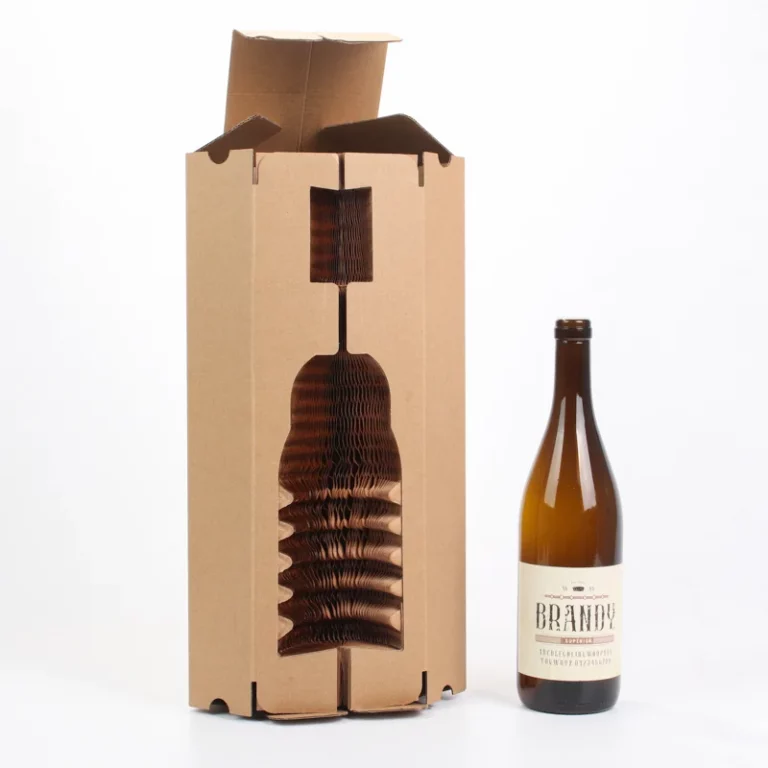
A Maßgefertigte Weinkiste aus Wellpappe für einzelne Flaschen Die Verpackung sollte am besten als Checkliste für die Beschaffung und nicht nur als Produktname betrachtet werden. Die Spezifikation der Wellpappe sollte dem Flaschengewicht, dem Transportweg und dem gewünschten Präsentationsniveau entsprechen. Die Wabenpapiereinlage muss die Flasche sicher halten, ohne unnötige Materialkomplexität zu verursachen. Die Abmessungen der flach verpackten Verpackung sind für Lagerung, Transport und Montageplanung wichtig, während die Wahl des Klebstoffs sowohl die Festigkeit als auch die Materialtrennung beeinflusst. Käufer sollten nicht nur die Nenngröße der Flasche, sondern auch deren tatsächliche Passform prüfen, da die Form der Flaschenschulter und die Höhe des Verschlusses das Ergebnis verändern können. Auch die Montagezeit sollte berücksichtigt werden. Ein recycelbarer Weinkarton ist nur dann glaubwürdig, wenn Struktur, Einlage, Klebstoff und der lokale Recyclingweg gemeinsam überprüft werden können.
Ein praktischer nächster Schritt für nachhaltige, maßgefertigte Weinkartons
Eine nachhaltige Weinkiste sollte in erster Linie die Flasche schützen und anschließend die Markenbotschaft durch Materialnachweise und Werbeversprechen untermauern. Beginnen Sie mit Herkunft, Recyclingfähigkeit, Größe, Einlage, Veredelung und Prüfprotokollen. Entscheiden Sie danach, welche Informationen auf die bedruckte Kiste und welche auf die Produktseite oder das Verkaufsblatt gehören. Eine glaubwürdige, umweltfreundliche Weinkiste vereint geprüfte Materialherkunft, angemessenen Schutz, kontrollierte Veredelung und realistische Entsorgungshinweise.
Die überzeugendste Wahl ist in der Regel eine konkrete. Ein recycelbarer Weinkarton mit leichter Struktur, einer Einlage aus Papier, nachweislich bezogenen Materialien und dezenter Verarbeitung kann mehr aussagen als ein schwerer Karton mit breit gefassten Umweltversprechen. Für die individuelle Planung von Weinkartons aus recycelbarem Karton, FSC-zertifizierten Materialien, faltbaren Konstruktionen und druckfertigen Entwürfen teilen Sie uns die Flaschengröße und Ihre Verpackungsziele mit. TopWinePack bietet Unterstützung bei individuellen Weinverpackungen.
FAQ (häufig gestellte Fragen)
F: Kann jeder Weinkarton als recycelbar behandelt werden?
Nein. Die Antwort hängt von der Kartonart, der Beschichtung, der Laminierung, den Einlagen, den Etiketten, den örtlichen Recyclingsystemen und der Trennbarkeit der Teile ab. Selbst eine Kartonverpackung kann unter Umständen eine spezielle Formulierung der Werbeaussage erfordern.
F: Bedeutet die FSC-Zertifizierung, dass die Weinkiste aus Recyclingpapier besteht?
Nein. Die FSC-Zertifizierung bezieht sich auf verantwortungsvolle Forstwirtschaft und die Nachverfolgbarkeit der Lieferkette. Die Kennzeichnung „FSC Recycled“ bedeutet, dass nachweislich recycelte Fasern verwendet wurden, während andere FSC-Kennzeichnungen auf unterschiedliche Materialwege verweisen können. Der Recyclinganteil bezieht sich auf wiederverwertetes Material, das im Produkt oder in der Verpackung verwendet wird. Je nach gewähltem Karton kann ein Projekt eines, beides oder keines von beidem beinhalten.
F: Was ist der erste Prüfpunkt für eine nachhaltige Verpackung bei einer individuell gestalteten Weinkiste?
Beginnen wir mit der Flasche, dem Vertriebskanal und der Markenbotschaft. Die Verpackung muss den Wein schützen, zum Vertriebsweg passen und Umweltversprechen durch Materialnachweise oder Zertifizierungen untermauern. Das Design folgt erst danach.