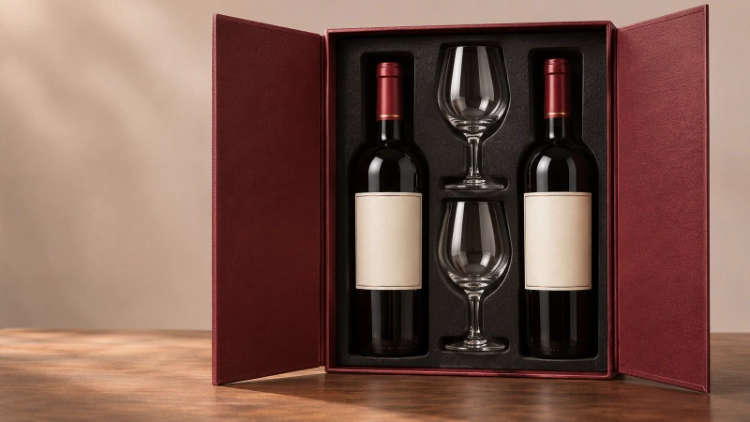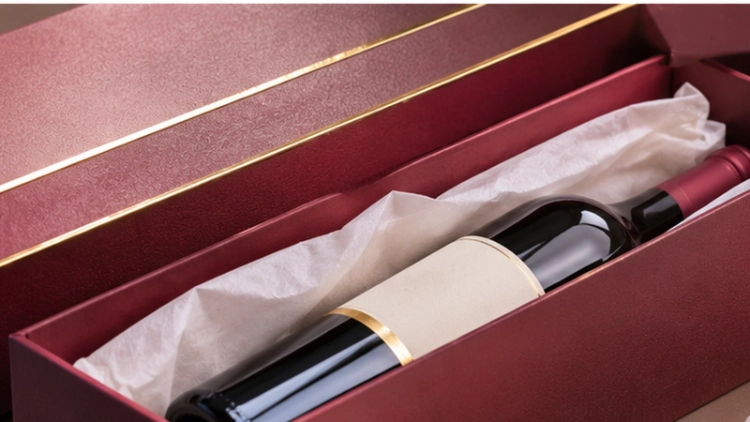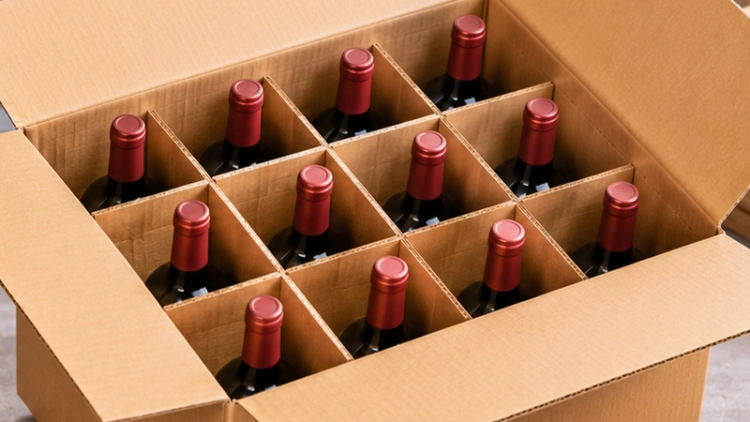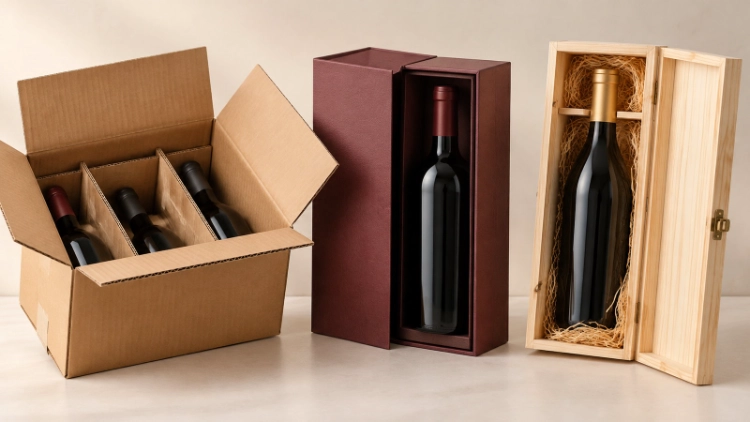

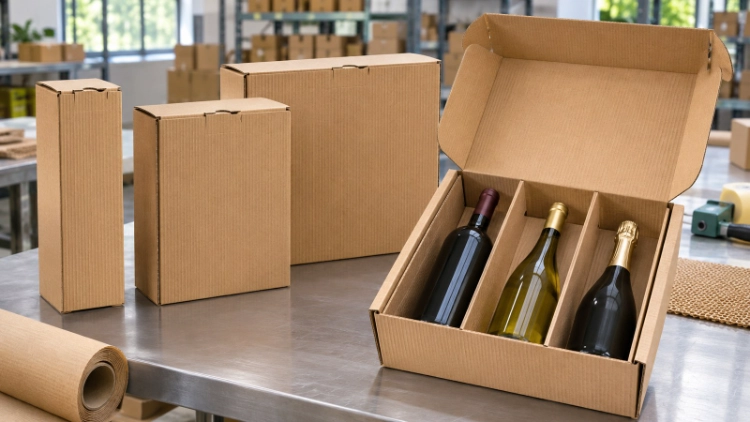
A wine subscription box may carry a different bottle mix each month or quarter. New releases, seasonal selections and membership tiers can change bottle shapes, quantities and filled weight, even when the program keeps the same branding.
Selecting an outer carton for the first shipment is only the beginning. Each recurring order needs a compatible divider and support system, a clear packing instruction and a way to record changes before the next production run. The practical goal is a pack that staff can assemble consistently and that suits the actual delivery route.
Buyer checkpoint: Before selecting a shipping box, list the bottle formats, order combinations, divider versions, packing sequence, and changes expected during the subscription cycle.
Why Does Wine Subscription Box Packaging Need a Different Workflow?
A one-time wine gift box can be designed around one fixed combination. A subscription program usually has several versions. One member may receive two standard bottles, while another receives three bottles with a wider format or a limited-edition bottle.
This creates four packaging pressures:
- The outer carton must fit the planned bottle groups.
- Dividers must prevent contact between different bottles.
- Packing staff need clear instructions for each order version.
- The packaging system must support repeat production and replenishment.
If the packaging is designed only around the first shipment, later orders may require improvised padding or unused space. Both situations can affect product protection and packing efficiency.
The goal is not to make every order use one identical box. The goal is to create a controlled packaging range that covers the actual subscription combinations.
How Should Mixed Bottles Be Grouped Before Packing?
Classify Bottles by Size and Shape
Bottle names alone are not enough for packaging decisions. Record the height, maximum body diameter, base size, shoulder shape, and approximate weight of each bottle format.
Two bottles from the same wine category may still require different cells. A wider bottle can press against a divider designed for a narrower format. A taller bottle may touch the lid or extend beyond the intended support zone.
A simple bottle grouping system may include:
- Standard narrow bottle
- Wide bottle
- Heavy bottle
- Short bottle
- Tall bottle
- Special or limited-edition format
These groups can then be matched with the carton and divider versions used by the packing team.
Separate Fixed Components from Changeable Components
Some packaging components can remain consistent across several orders. Others should be adjusted when the bottle mix changes.
Fixed components may include:
- Outer carton style
- Printed branding
- Closure method
- Shipping label area
- Basic assembly instructions
Changeable components may include:
- Internal dividers
- Additional paperboard spacers
- Bottle support pads
- Number of cells
- Accessory compartments
Keeping these components separate can reduce unnecessary redesign. The outer box may serve several subscription versions while the internal structure changes according to the contents. This approach should be confirmed through actual trial packing.
How Do Protective Dividers Support Mixed-Bottle Shipping?
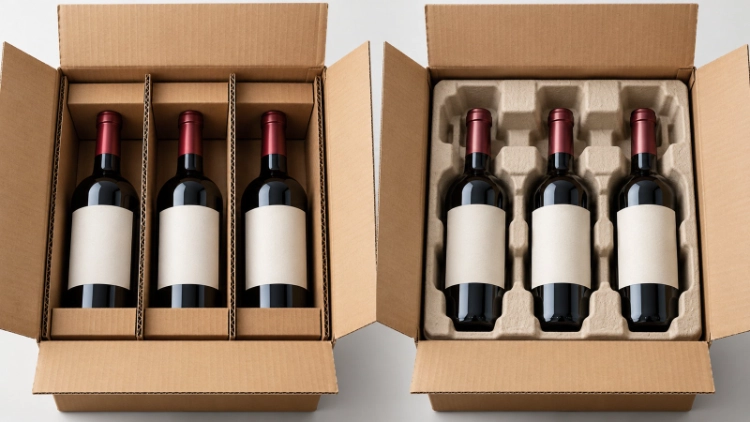
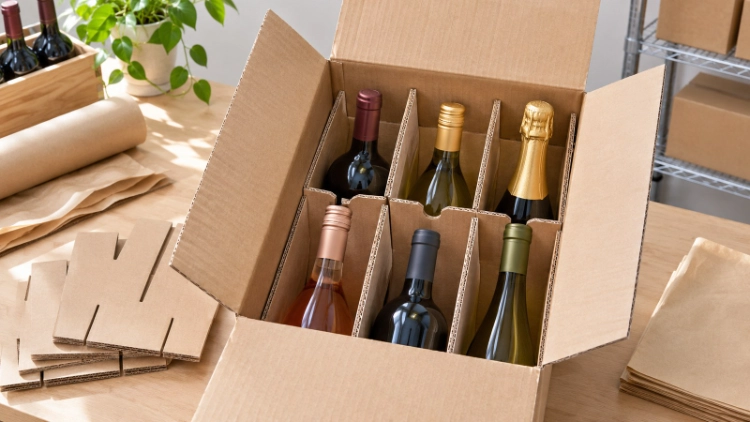
Protective dividers create physical separation between bottles. They help maintain position, reduce direct contact, and make the pack-out process more consistent.
A divider system should be checked for:
- Cell width relative to the largest bottle
- Vertical support around the bottle body
- Clearance near the bottle shoulder
- Stability at the base
- Ease of insertion during packing
- Compatibility with the outer carton
The divider should not be so tight that workers need to force the bottles into place. It should also not leave excessive side movement. A small difference between these two conditions can affect both packing speed and protection.
For mixed-bottle orders, a universal divider may be useful in some cases, but it should not be assumed to fit every combination. When bottle diameters vary widely, separate divider versions or additional spacers may be more practical.
A loose divider grid can shift before the carton is sealed, leaving some bottles with less support. Load the full sample, close it and check that the grid stays seated during ordinary handling.
Why Are Bottle Neck and Base Protection Important?
Dividers separate neighboring bottles, but they do not necessarily restrain the neck or cushion the base. A wider shoulder can bear against the partition while a narrow neck moves above it; a shallow base support may leave the bottle bottom exposed to impacts. Check each cavity with the heaviest and widest bottles assigned to that version, including the clearance at the closure and the load path through the carton base.
The filled pack also has to suit handling, vibration and stacking on its planned route. Before bulk production, agree whether drop, vibration and compression checks are needed, along with the test orientation, load and acceptance criteria. Inspect bottles, dividers, closure and outer carton after testing; a carton that closes neatly before a trial can still allow movement afterward.
Which Wine Shipping Boxes Fit Different Subscription Orders?
| Subscription order | Suitable packaging direction | Main check |
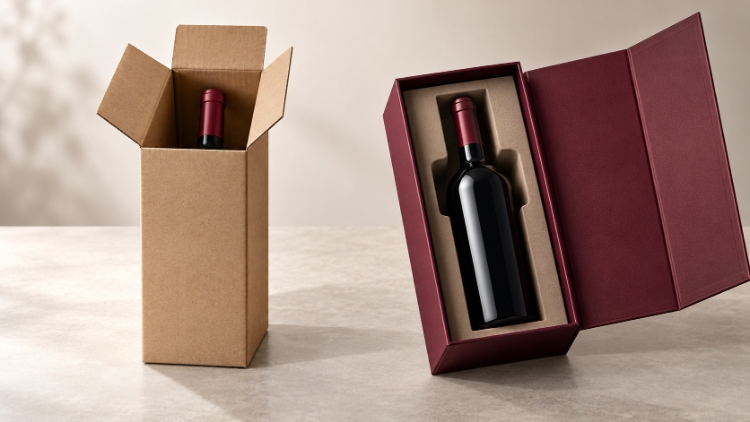
| Single-bottle order | Compact wine shipping box | Bottle fit and internal movement |
| Two-bottle order | Double-bottle carton with divider | Distance between bottles |
| Three-bottle order | Triple-bottle carton or custom layout | Mixed bottle width and balance |
| Seasonal mixed order | Adjustable internal structure | Version control and spacer fit |
| Premium member set | Rigid presentation box inside a suitable parcel shipper | Gift box fit and outer protection |
Single-bottle orders usually require a stable cell and enough space around the bottle. Two-bottle orders need a divider that prevents the bottles from touching while keeping the carton compact. Three-bottle orders may require more attention to weight distribution, especially when one bottle is wider or heavier than the others.
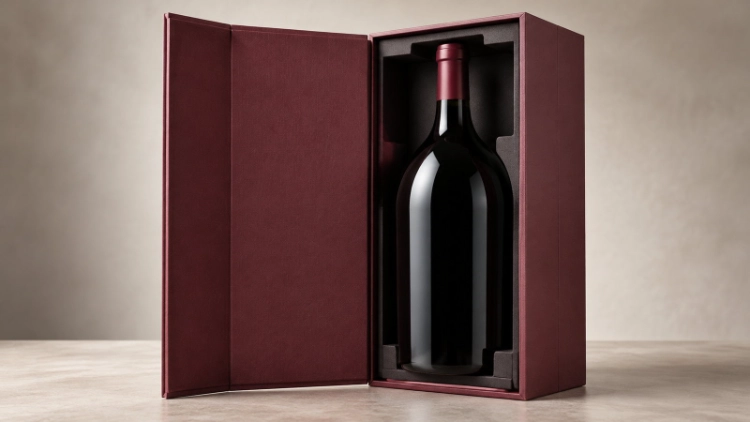
For premium membership orders, a rigid wine gift box can provide a more refined presentation, but it should not automatically be treated as a parcel-ready shipper. When the gift box travels through a courier network, assess a separate corrugated outer carton and cushioning around it. A foldable presentation box may save storage space, yet its filled assembly still needs a shipping check for the intended route.
TopWinePack’s custom wine shipping boxes with single, double, and triple bottle options are made from corrugated cardboard and include a foldable structure, front window, and integrated top handle. The product range supports different bottle counts, but the internal fit still needs to be checked against the actual bottles used in a subscription program.
How Can a Packing Team Reduce Errors on Repeat Orders?
For each subscription version, give packers a carton code and divider code that match the current bottle list. The version should be visible at the packing station.
Each packaging version should have a simple reference that identifies:
- Bottle count
- Bottle group
- Carton model
- Divider version
- Accessory quantity
- Packing sequence
- Effective production date
A packing sheet can pair the order contents with a photograph showing the loaded carton, divider position, bottle direction and accessory placement.
When a new bottle enters the program, check its width, shoulder and weight against the assigned cavity before the next shipment. Similar height alone does not establish fit.
What Should Be Checked Before Each Shipment?
A dispatch check should confirm both the order and the packaging. The following points can be used as a practical checklist:
- The subscription version matches the current order.
- The bottle count is correct.
- The bottle group matches the selected divider.
- Every bottle sits fully inside its cell.
- No bottle touches an adjacent bottle.
- Accessories are placed in the approved position.
- The carton closes without pressure on the contents.
- The divider remains in position after closing.
- The shipping label is attached to the correct area.
- The outer carton has no visible opening or structural problem.
This process helps separate packaging errors from picking errors. If the right carton is used with the wrong bottle group, the issue should be recorded as a packaging version problem. If the correct carton contains the wrong wine, the issue belongs to the order assembly process.
How Can Custom Production Support Seasonal Changes?
Seasonal editions may change the bottle count, add an accessory or require new artwork. Review each change against the current structural and print versions before ordering another production run.
A supplier should be able to discuss:
- Whether the existing carton can be retained
- Whether the divider needs a new version
- Whether the print file changes
- Whether the handle or closure remains suitable
- Whether the new set requires a physical sample
- How repeat orders will be matched to the approved version
A different bottle count may alter the carton layout and divider, while a new logo can affect the print file without changing the structure. Record these as separate revisions.
Keep custom wine box printing tied to the approved structure code. Otherwise, a correctly printed carton can arrive with an insert intended for a different bottle combination.
How Should Packaging Be Prepared for Long-Term Repeat Orders?
For each approved subscription pack, keep these production references together:
- Approved structural drawing and carton code
- Final physical sample and tested bottle dimensions
- Divider and insert specifications
- Print-ready artwork and revision number
- Packing instruction sheet and loaded-pack photograph
- Change history, component quantities and reorder details
Before replenishment, compare the new bottle list and artwork with these references. Recheck the affected components if a revision changes their fit or assembly.
TopWinePack is a wine packaging brand under Jialan Package. For recurring subscriptions, its custom structural and print options can be discussed against the actual bottle list, divider layout and order versions. Send those details with the proposed quantities when reviewing the OEM and ODM wine packaging service; agree on the sample, component codes and any seasonal changes before bulk production.
Conclusion
Wine subscription box packaging should be planned around changing orders rather than one fixed shipment. Classify the bottles, match each group with a compatible carton and divider, and document the packing sequence before production begins.
The approved drawing, sample, artwork and packing instructions then give both the supplier and packing team a reference for future orders.
For brands comparing wine shipping boxes, the most useful information to provide is the bottle list, order combinations, expected shipment frequency, and any accessories included in the package.
FAQs
What type of wine shipping boxes work for subscription orders?
Single-, double-, and triple-bottle cartons can work when their internal layout matches the bottle formats. Mixed orders may need adjustable dividers or different packaging versions.
How can mixed bottle sizes be protected in one subscription box?
Use separate cells, compatible dividers, and spacers where needed. The complete bottle combination should be tested before bulk production.
Can a wine subscription box be adjusted for seasonal bottle changes?
Yes. The outer carton, divider, print, and accessory layout can be reviewed separately so seasonal changes do not require a complete redesign every time.