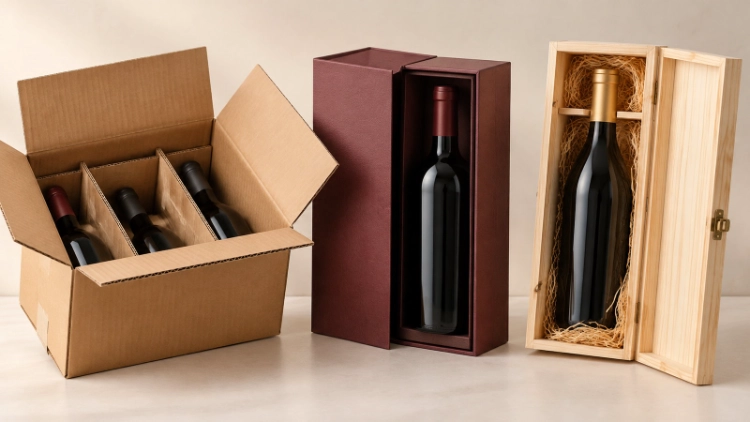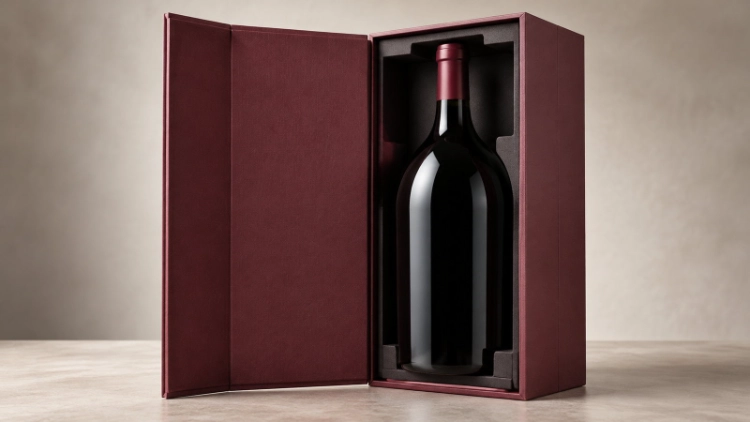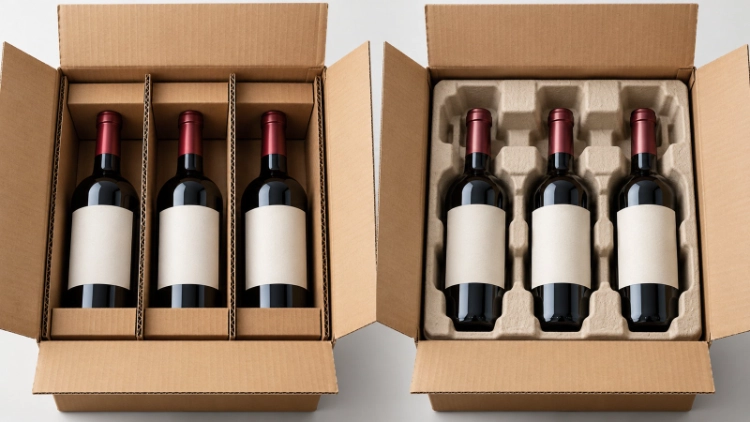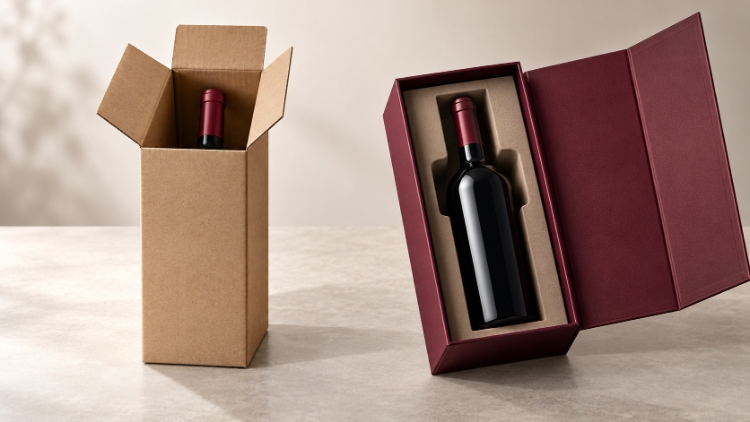

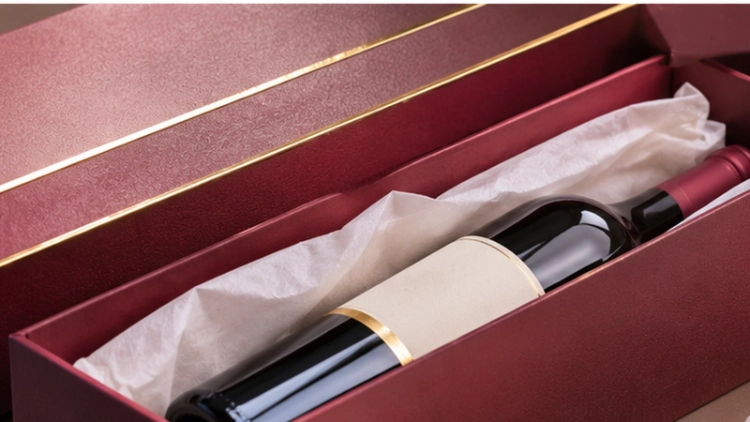
A wine gift box might exit the printing stage looking perfectly clean. Later, it could arrive at final packing showing unexpected marks on the top. Issues like scratches, dull patches, and worn foil rarely happen for the exact same reason. A line running along the lid edge points to a specific type of physical contact. Meanwhile, a cloudy look over a dark panel indicates a completely different issue. You want to stop wine gift box surface damage effectively. To do this, you must first discover exactly when the flaw happens. You should not just request a thicker coating right away.
The main thing to ask is what actually rubs against the finished surface once printing is done. These items move through multiple production stages. They go through stacking, wrapping, folding, assembly, inspection, and packing. A flat, loose sheet of black paper might appear flawless. However, that exact same material can easily scuff. This happens when two rigid lids slide against each other. Stopping this trouble relies on a few key details. You must consider the specific material, the exact contact point, and the current handling step.
What Do Different Types of Surface Damage Indicate?
Before changing materials, separate the appearance of the defect from its cause. A scrape that exposes the underlying paper is different from a rubbed patch that only changes gloss. Metallic foil can lose coverage or show a transfer problem that was present before the boxes were packed. Use the approved sample as a reference and record where the defect appears.
Scuff Marks on Dark or Matte Wine Gift Boxes
A scuff may appear as a gray or shiny patch on a dark matte panel. It often becomes more obvious when the box is tilted under light. The surface might have rubbed against another box, a tabletop, packing material, or a piece of production equipment. On some matte finishes, gloss change is more noticeable than ink loss.
Scratches at Edges, Corners, and Opening Areas
A narrow line at the lid edge suggests contact during opening or assembly. Scratches around a drawer opening may follow the tray’s travel; a book-style lid can rub at a tight hinge or near a raised internal component. On wrapped corners, white or rough areas may indicate exposed fibers, cracking, or damaged paper rather than surface abrasion alone.
Foil Wear Versus Incomplete Foil Transfer
Foil wear occurs when a previously sound metallic area loses or changes appearance through later contact. Incomplete transfer is a different production defect: part of the design did not transfer cleanly during stamping. The two may look similar in a photograph, but they need different corrective actions.
Compare a freshly stamped piece with an assembled, handled sample. If the metallic area already has gaps before conversion, examine foil compatibility, paper texture, tooling contact, and process setup. If the foil was initially complete and becomes dull at a contact point, investigate abrasion during later operations or packing.
Where Does Damage First Enter the Production Process?
Trace the surface through its actual route instead of making changes at every stage. For rigid wine gift boxes, the outer sheet may be printed, coated or laminated, die-cut as applicable, wrapped around greyboard, assembled with magnets or other components, and packed. Each operation introduces different surface contact.
After Printing and Finishing
Before stacking finished printed sheets, confirm that the ink, coating, or lamination has reached the required handling condition for that process. Inadequate drying or curing can cause set-off, blocking, smearing, or unwanted surface changes. The correct interval and test method depend on the ink and finishing system; a fixed waiting time copied from another job is unreliable.
During Wrapping and Box Assembly
Rigid-box wrapping brings the sheet into contact with edges, corners, turn-ins, and adhesive areas. Tight turns can stress a coating; excess glue can mark the visible surface. An operator pressing a box against a rough bench may leave a different defect from a folding or glue problem. Photograph the mark before trying to clean it, because cleaning can alter the evidence.
The wrapping paper and structural board have separate roles. The rigid wine box surface paper guide covers their selection and wrapping behavior. For surface-damage prevention, concentrate on the actual contact path and how each conversion step affects the approved finish.
During Finished-Box Handling and Packing
Freshly assembled boxes often touch one another before entering their final cartons. A decorative lid stacked directly against another printed face can leave pressure marks or scuffs. Dividers, tissue, interleaving sheets, sleeves, or individual protection can reduce contact in a suitable design, but the material chosen must not itself mark the finish.
Inspect the packing sequence. If workers have to slide finished boxes along a bench to reach the carton, that sliding action may be the source of repeating scratches. Adjusting the layout of the packing station can be more effective than adding another decorative coating.
How Can Paper and Surface Finishing Reduce Visible Damage?
Preventing scratches on wine gift boxes begins with a finish that is compatible with the box’s expected use. A tactile uncoated sheet, a dark printed wrap, a matte laminate, and a glossy surface will not react identically to rubbing. Ask for samples produced with the intended ink, paper, and finish, then compare them under the conditions that matter for the project.
Matte lamination or a protective coating may improve resistance to certain handling marks, but neither is a universal anti-scratch solution. Some matte or soft-touch effects show changes in gloss when rubbed. Other surfaces can reveal dents or abrasion along raised patterns. Test the specific combination; do not select a coating based only on a marketing description.
How Should Foil-Stamped Areas Be Protected?
The foil design itself can affect exposure. A large metallic block near a fold or where boxes contact each other has a different abrasion risk from a small centered emblem. Foil may also be combined with embossing, placing part of the decoration slightly above the surrounding surface. That raised feature deserves attention when boxes are stacked or wrapped.
Check stamped areas before assembly and again afterward. If damage begins at the same foil edge across samples, inspect the transfer result first. If the foil changes only after finished boxes rub together, review the stacking and packing method. For artwork and tooling details, refer to the wine box foil stamping guide. After an acceptable foil transfer, the remaining concern is wear during assembly, storage, and handling.
Avoid “scratch-proof foil” claims without evidence for the actual substrate and handling. Record the approved foil reference and physical sample, and check the finished decoration after the expected contact.
Which Structural Changes Prevent Repeat Scratching?
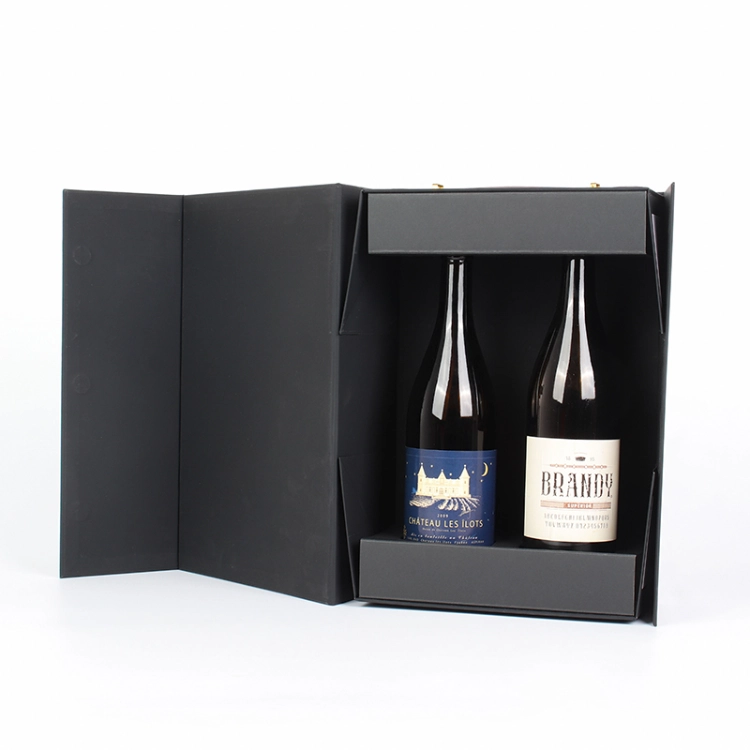
Look for repeated damage at the same points of the finished box. A mark along a magnetic flap may mean that the flap drags against the front panel. A drawer can scrape its sleeve if the tray is misaligned or the wrapped edges are too thick. A ribbon pull or metal fitting can also contact the decorative surface when the box is carried or packed.
Start with the opening sequence. Open and close the finished box under normal use, then check the contact areas. The sample should move without forcing one panel against another. Where the damage comes from a structural mismatch, confirm dimensions and clearances before selecting a new varnish or film.
A relevant reference is TopWinePack’s black foldable double-bottle cardboard wine gift box. Its published specification describes 1200g greyboard with textured paper, a book-style magnetic construction, and a leather handle. Those are product facts, not claims that the model passes a particular abrasion test. Its combination of wrapping, folding, closure, and handling features shows the locations that need visual inspection on a finished sample.
What Should a Surface-Damage Test Actually Check?
A useful test should reproduce the kind of contact expected in production or use. That might mean controlled dry rubbing against the intended packaging material, repeated opening of a drawer, or a packed-carton handling trial. The test needs an agreed sample, contact material, method, and acceptance limit. Without those details, “rub resistant” has little meaning.
Make the observations specific. Record whether the surface loses ink, changes gloss, shows a visible scratch, transfers color, or damages the metallic foil. Keep an untested control for comparison. A surface that changes gloss under strong angled light may be acceptable for one project and unacceptable for another; define that before the bulk run.
Set the number of rub cycles and the acceptance limit for the actual material and customer requirements; there is no universal rating suitable for every wine box. A proposed standard test should reflect the expected shipping, handling, and retail conditions before its result becomes an approval criterion.
How Can Damage Be Prevented During Bulk Production?
Keep the approved physical sample and mark the most sensitive areas on the inspection sheet. When a new defect appears, isolate affected pieces and note which production stage they last passed cleanly. That information is more useful than a broad instruction to “be careful with the finish.” If a fix changes the paper, coating, or box structure, approve the revised sample before the next production batch.
TopWinePack’s OEM/ODM wine packaging service includes choices in rigid structures, surface materials, printing, and finishes. Provide photos showing the defect location, the intended surface, and how boxes will be packed.
Request a wine gift box surface and packing review with the actual box structure and finishing requirements so that the corrective work addresses the source of contact.
Conclusion
Surface protection is not one finishing step. A sound printed sheet can be damaged in wrapping or stacking, and a carefully stamped logo can wear where finished boxes rub. Find the first stage where the surface changes, inspect the contact point, and approve the corrected material or handling method on a physical sample. The production record should then state how that result will be checked on the finished boxes.
FAQs
Q1: Why do black or matte wine gift boxes show scuff marks easily?
Dark surfaces can make pale abrasion marks more visible, while some matte finishes show local changes in gloss after rubbing. The effect depends on the paper, ink, coating, and contact conditions. Check the actual finished surface before making a material decision.
Q2: Can lamination prevent every scratch on a wine gift box?
No. Lamination can improve resistance to some handling damage, but performance varies by film, surface finish, and how the box is used. It will not correct structural rubbing caused by a misaligned lid or drawer.
Q3: How can a buyer tell foil wear from incomplete stamping?
Inspect a freshly stamped sheet and compare it with the assembled or packed box. Missing coverage before assembly points toward a transfer problem; damage appearing only after handling suggests later contact or abrasion. Confirm the cause before changing the stamping process.