
Custom Wine Box for Corporate Gifts: What B2B Buyers Should Know
Corporate wine gifting is not judged by the bottle alone. For B2B buyers, the package influences how a gift is received, stored, photographed, and remembered. A custom wine box can make a client gift seem organized and polished, but it still needs to shield the bottle, suit the brand style, and remain feasible for manufacturing. This guide describes how B2B buyers can assess structure, material, branding, quality, and service interaction.
Start with the purpose of the corporate gift
A sound packaging choice starts before design work. Buyers first need to identify who will get the gift, how formal the event is, and what the package should convey. A wine gift box for a wide employee initiative does not require the same build as one for key clients, leadership meetings, contract signings, or high-end brand gatherings.
Match the package to the recipient level
Corporate wine gifts often fit into various categories: basic thanks, holiday presents, leadership gifts, occasion gifts, and top client gifts. For a large-scale effort, expense management and uniformity may count most. For board-level or key recipients, the package should appear more elegant, with improved feel and a stronger reveal experience.
This does not suggest every task demands the most complex setup. The proper selection is the build that aligns with the business intent.
Protect the bottle before adding decoration
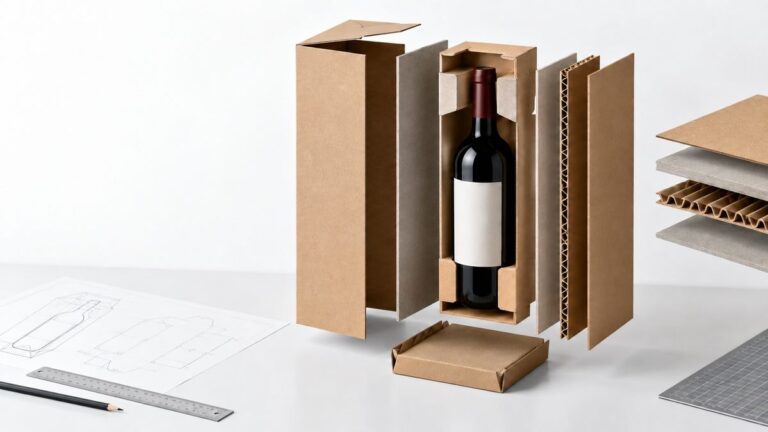
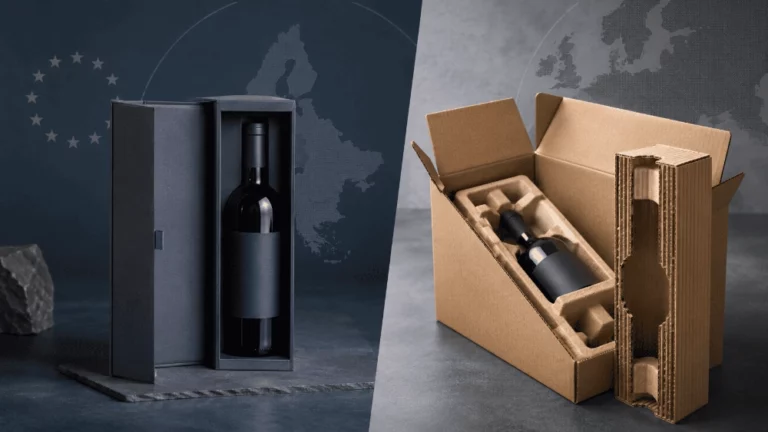
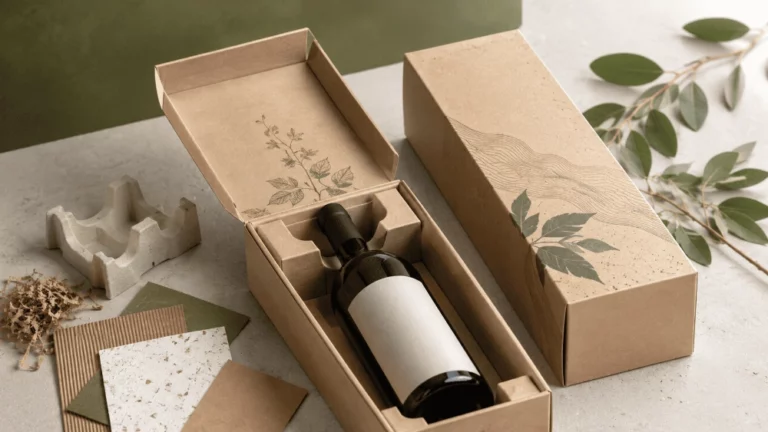
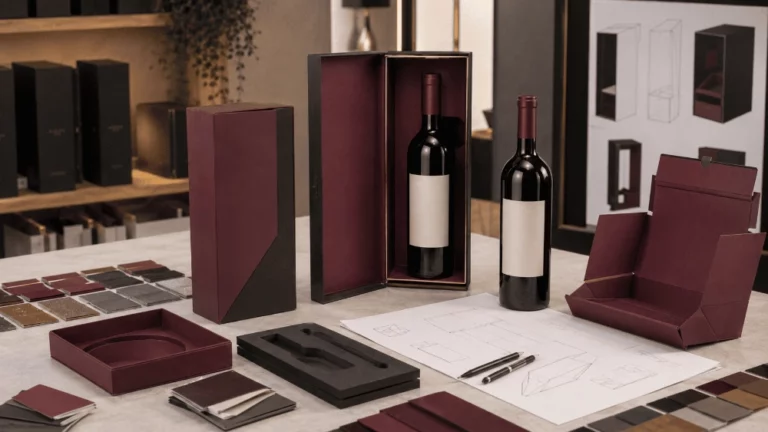
A wine gift box must first secure the bottle firmly. The build should fit the bottle height, shoulder form, base width, and load. Internal bracing also counts. EVA, paper forms, blister holders, velvet holders, or other liners can limit shifting and keep the bottle steady when the box opens.
This holds special value because corporate wine gifts frequently travel through workplaces, event locations, storage areas, and shipping paths before arriving at the end user. A solid package should prevent rattling, leaning, or unstable positioning.
Choose structure, material, and finish as one system
Structure, material, and finish should not be examined apart. Together, they determine how the package unfolds, how the bottle rests, how upscale the initial contact feels, and how reliable the final batch can be. B2B buyers should examine these aspects before design sign-off.
Select the structure by use case
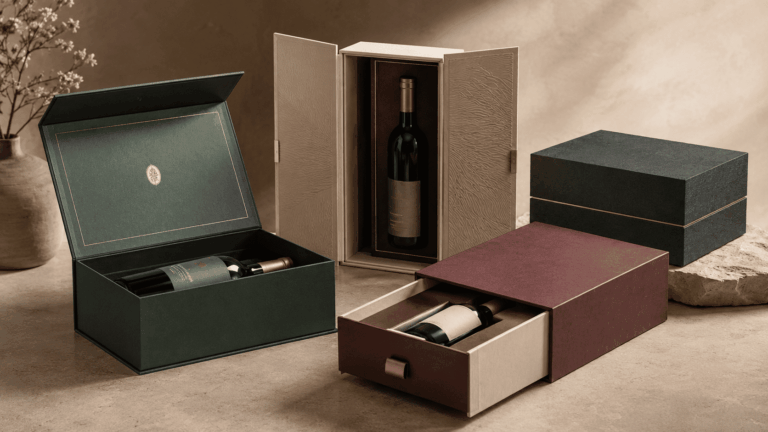
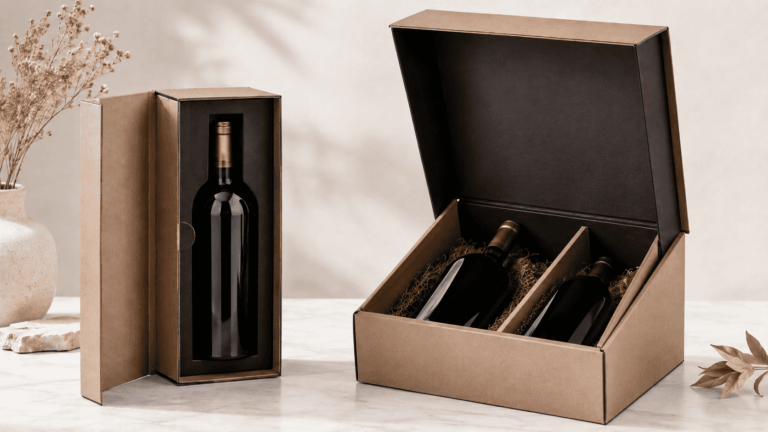
Single-bottle boxes serve well for targeted gifts, invites, and occasion distributions. Double-bottle or multi-bottle types function effectively for richer gift collections, seasonal drives, and brand occasions. In these scenarios, the package needs a strong presence. At times, extras like glasses, openers, notes, or treats are included. Then, each item requires a safe place.
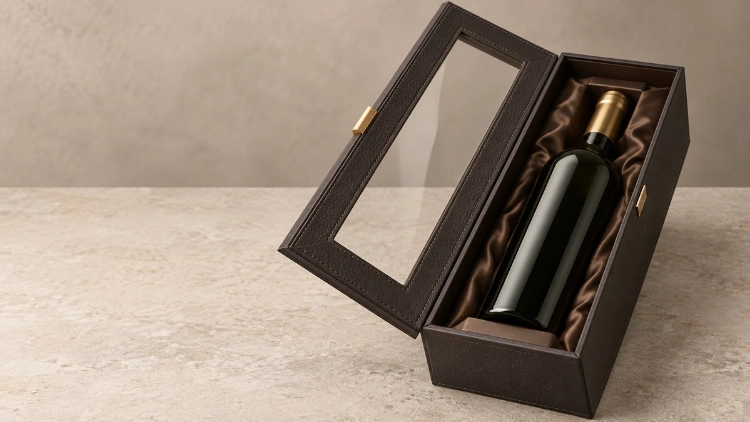
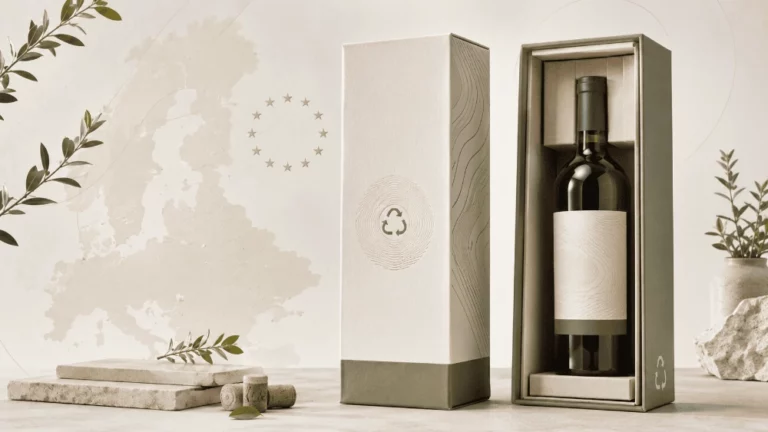
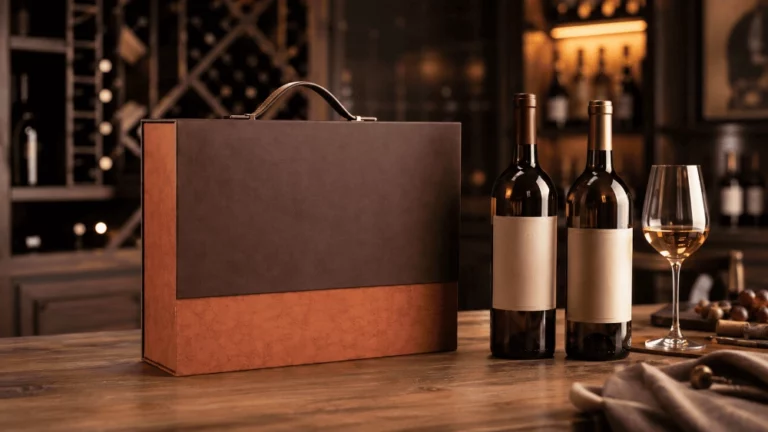
Rigid cardboard arrangements are picked often when clients want a more striking gift impact. These can manage specialty paper, foil stamping, embossing, and magnetic closure choices. A luxury wine box crafted from rigid cardboard feels sturdy. At the same time, it allows flexible surface styling.
Use business-friendly branding and finishes
Corporate gifting generally performs better with a clear visual order. Logos, brand shades, and brief text lines should stand out easily, but not overwhelm. Dark blue, black, burgundy, deep green, champagne gold, and subtle neutral tones frequently match formal business gifting.
Decorative methods should be picked with intent. Foil stamping can emphasize a logo or line design. Embossing can render a mark more touchable. Spot UV can bring contrast to chosen spots. For corporate wine gifts, restrained detail often appears more expert than bold adornment. A basic logo with foil stamping on a dark rigid box can express high value without visual mess.
Confirm consistency before repeat orders
Many B2B buyers require the same custom wine packaging for ongoing campaigns. Color uniformity grows key when the box forms part of a brand framework. Dark shades like black, navy, burgundy, and deep green can seem refined, but they also reveal color variations more readily if production oversight is lax.
Buyers should verify color standards, surface material, logo positioning, and initial sample approval before mass production. Mid-run inspections can lessen gaps between the approved sample and final lot.
Consider double-door rigid packaging for premium projects
A top-tier build should not be selected just because it appears appealing. It should address a distinct business demand: greater gift worth, firmer display, improved brand recall, or a more official recipient experience. For this reason, double-door rigid packaging can merit examination for certain B2B tasks.
When a double-door structure works well
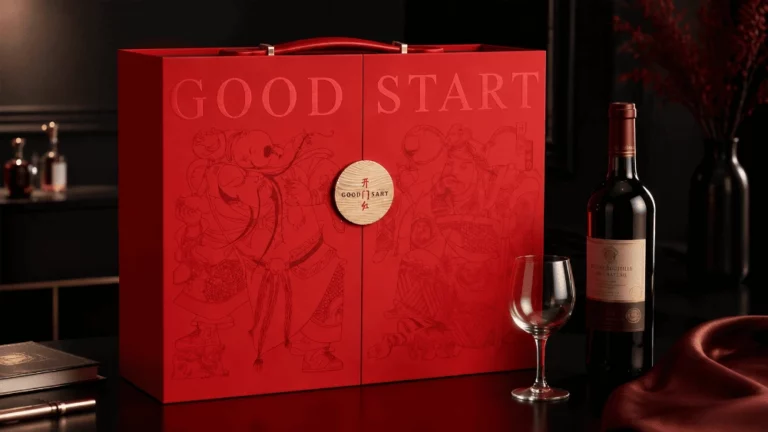
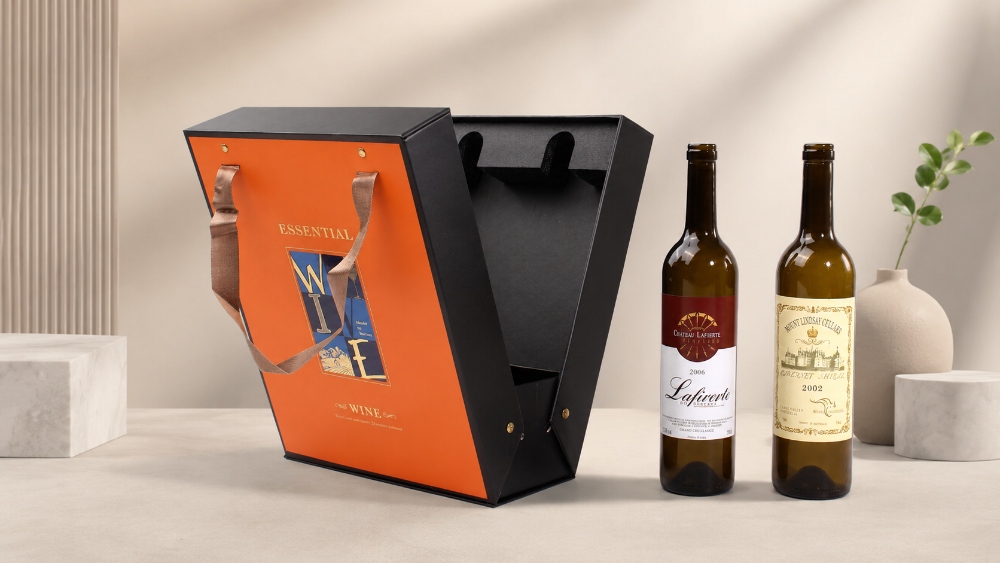
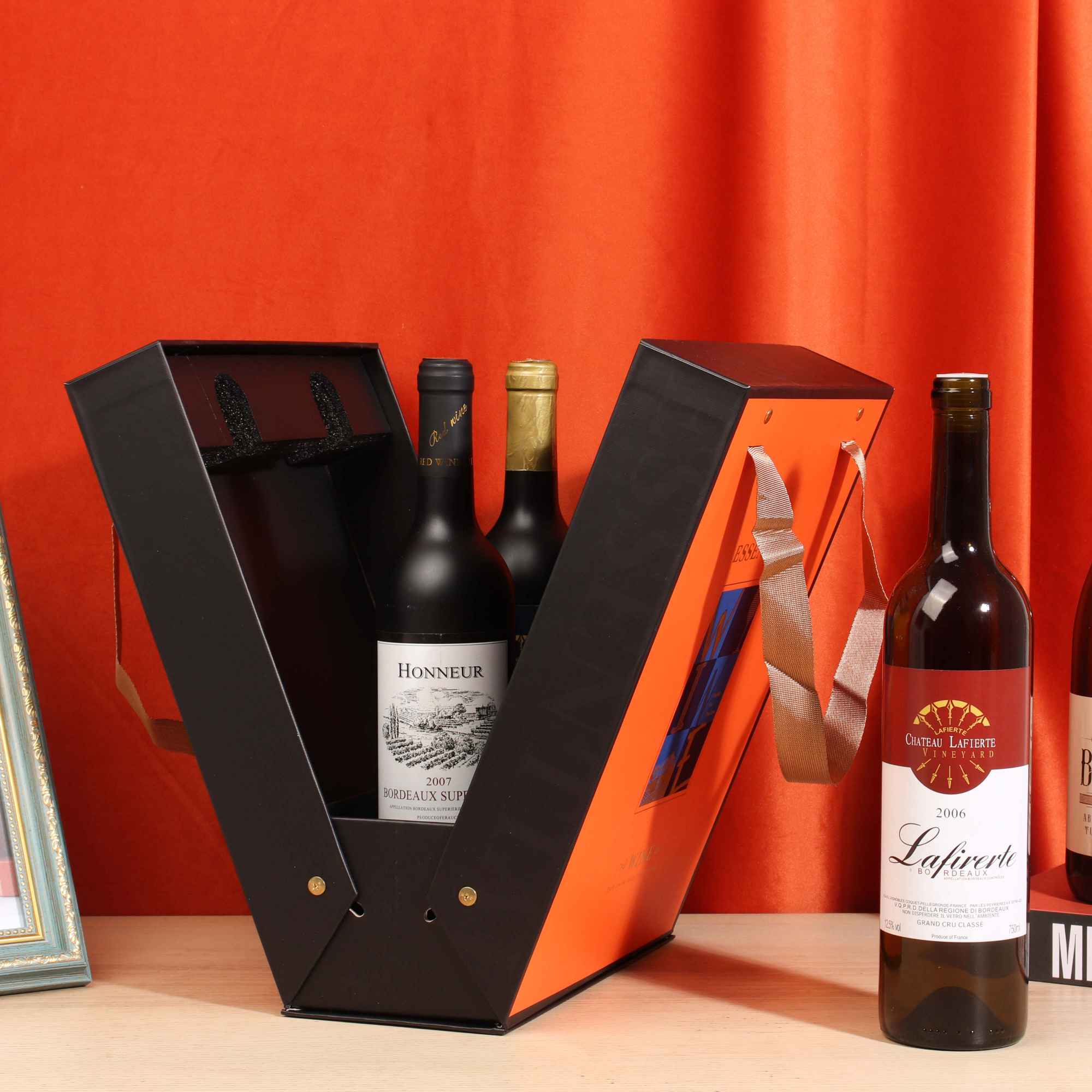
A double-door build generates a more ritualistic opening encounter. Instead of raising a plain lid, the recipient swings two balanced panels to show the bottle or collection. This renders custom wine packaging feel more official and fitting for key gifting, high-end brand introductions, seasonal client gifts, and leadership occasions.
The build should still stay functional. Doors need even closing strength, neat lineup, and sufficient inner room for the bottle and liner. Buyers should ask for samples when the plan includes magnetic closure, ribbon, metallic elements, or precise surface treatment.
Where TopWinePack fits into this category
TopWinePack is a wine packaging brand under Jialan Package. TopWinePack focuses on wine packaging categories, and provides the paper packaging production, design, and OEM/ODM customization base behind the brand.
For projects that require stronger presentation, the Luxury Double-Door Rigid Wine Gift Box – Custom Design by Jialan is a relevant option. It uses high-strength multi-layer rigid cardboard with a soft-touch or textured finish. Its symmetrical double-door opening is designed to reveal the bottle or set with a more ceremonial effect.
This product offers tailored sizes, printing, logos, materials, foil stamping, embossing, UV coating, and optional magnetic closures. It also features ribbon, metallic elements, and recyclable materials. These options make it suitable for company gift programs, holiday occasions, and premium brand promotions. In such situations, both looks and construction quality hold vital importance.
When this format may not be necessary
A luxury wine box may not suit every task. If the buyer seeks a basic holiday handout, a lighter build may prove more effective. If the wine will pass through tough shipping paths, outer carton shielding and inner bracing should be checked closely. If the task is very budget-focused, the adornment scheme should be trimmed before cutting build safety.
The aim is to pick the build that bolsters the recipient experience, brand standing, and production requirements.
Confirm service details before placing a custom order
Packaging tasks run more smoothly when buyers gather clear details at the start. A professional discussion should address the bottle, design, volume, timeline, and quality aims.
Prepare project details before inquiry
Before seeking a quote, buyers should assemble bottle measurements, bottle load, box type choice, volume, logo files, reference layout, target region, favored material, wanted finish, and liner needs. This aids the production group in assessing viability soon.
For buyers still weighing builds, the custom wine packaging process can begin with design verification, material check, sample creation, and output planning. Samples help in testing opening feel, build, color, logo precision, and bottle match before approving a complete order.
Review quality points before mass production
A wine gift box should be inspected from multiple views: box lineup, edge completion, surface neatness, logo exactness, magnetic spot, inner tray match, and bottle steadiness.
For premium gift programs, minor quality flaws can alter the whole gift view. Glue traces, slack liners, uneven doors, or coarse foil borders may seem small in output, but they show to the end user. To examine a task or seek packaging guidance, share your project details with TopWinePack.
Conclusion
Corporate wine packaging should be evaluated as both product protection and brand communication. The right choice keeps the bottle secure, reflects the recipient level, strengthens brand recognition, and remains practical for custom production.
A double-door rigid package acts as a reliable choice if the job demands a fitting reveal ceremony and an upscale appearance. Yet, the layout, materials, surface applications, and quality verifications must all receive shared assessment. When these elements align, custom wine packaging assists in turning business gifting into an effort that seems more intentional, more enduring in memory, and more fitting for lasting company ties.
FAQ
Q: What should B2B buyers consider first when choosing a custom wine box?
A: Start with the gift purpose, recipient level, bottle size, quantity, and budget. These points determine whether the project needs a simple structure, a rigid box, or a more premium double-door format.
Q: Is a luxury wine box suitable for all corporate wine gifts?
A: Not always. A luxury wine box works best for VIP clients, executive gifts, brand promotions, and formal holiday programs. For broad seasonal gifting, a simpler custom structure may be more suitable.
Q: Can a custom wine box include logo printing and special finishes?
A: Yes. Logo printing, color selection, material choice, foil stamping, embossing, UV coating, inserts, and structural details can be adjusted based on the project design and production requirements.