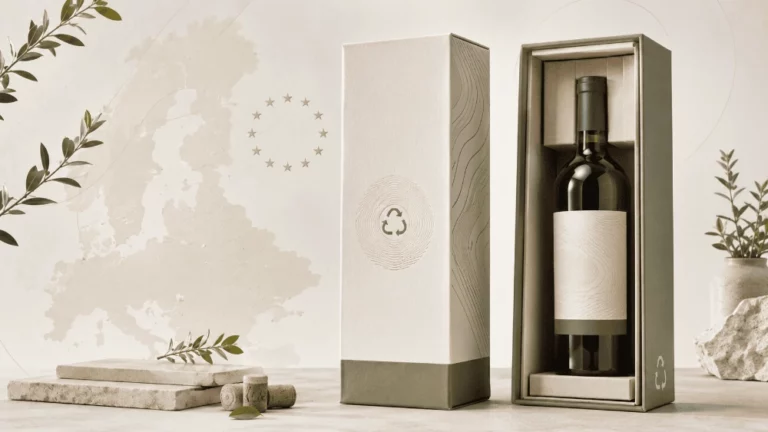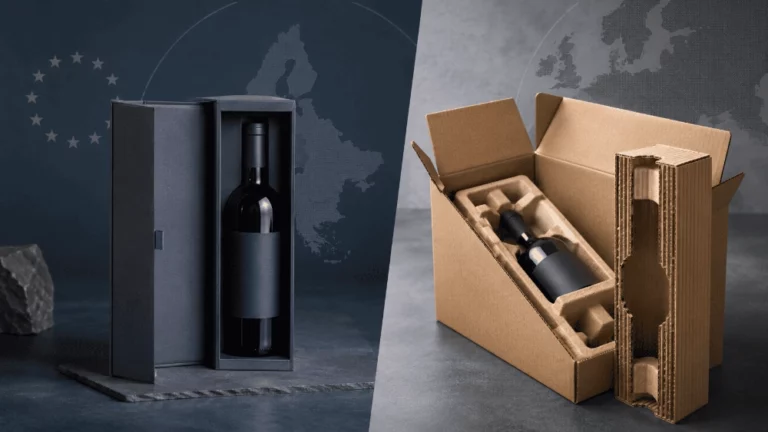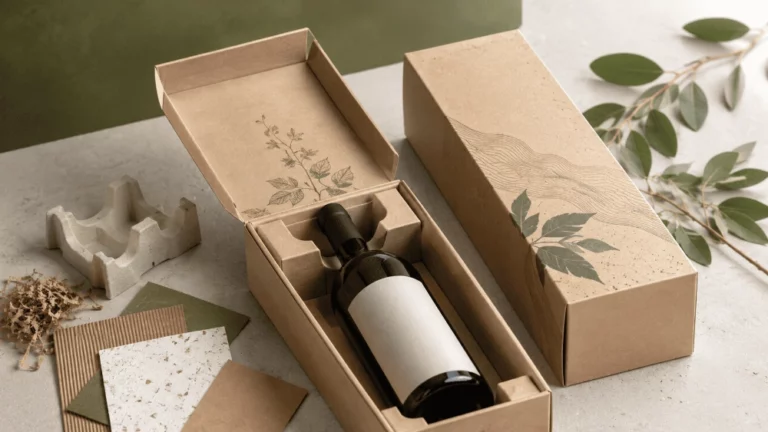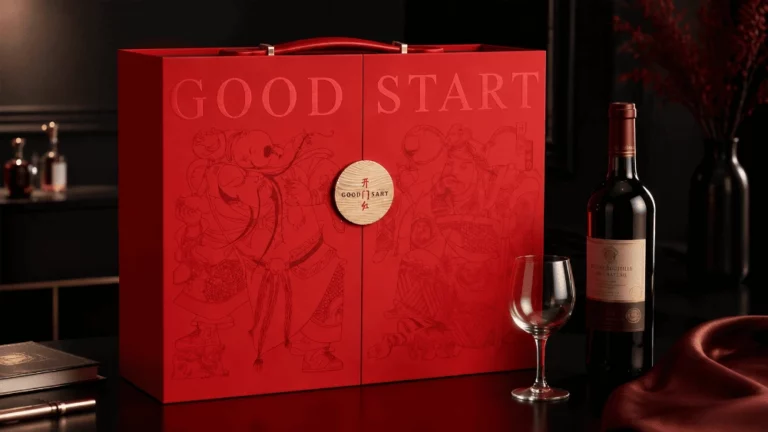

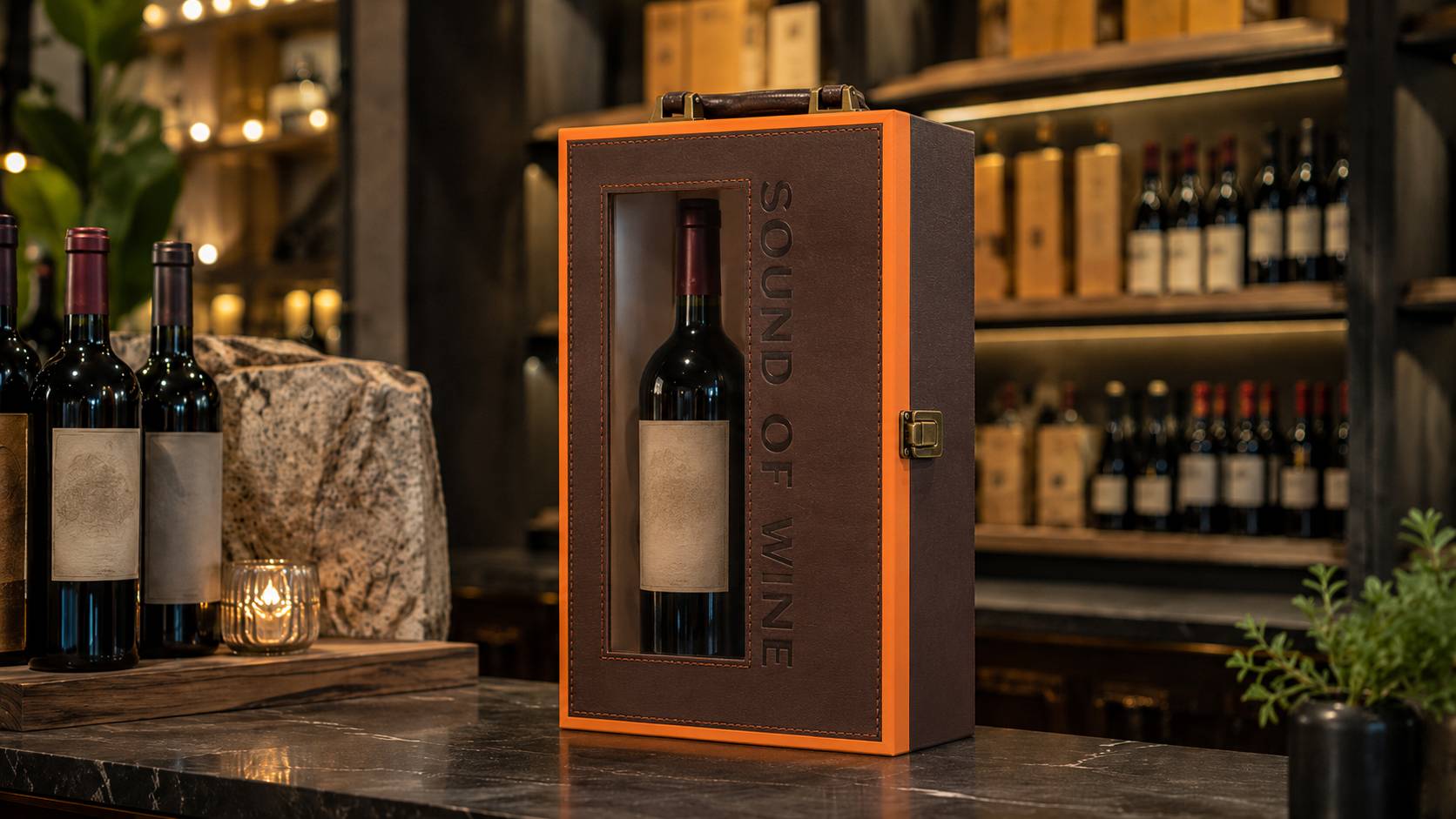
A custom wine box for retail projects needs to do more than look attractive in a sample photo. It must support shelf presentation, bottle visibility, brand recognition, and daily handling in real stores.
Retail packaging decisions should start with the sales environment. A box used in a boutique wine store may need a refined window and premium texture. A box planned for a chain store may need a stronger shape, a clearer front panel, and an easier shelf arrangement. The following points help brands confirm key details before ordering.
Why Retail Projects Need Different Wine Box Decisions
Retail packaging is judged while sitting on a shelf, inside a display cabinet, or beside other gift products. This makes the front face, structure, and material choice important.
Retail Packaging Must Work Before Opening
In retail settings, the buyer often sees the package before seeing the full bottle. The front panel, color, logo, product window, and visible bottle details must work together. A wine box packaging design that hides too much may weaken product recognition.
The goal is to let the box explain the product quickly. For some brands, that means a clean logo and a strong color block. For others, it means a transparent window that shows the bottle label.
Retail Boxes Must Balance Display and Handling
Retail wine packaging must also handle daily use. Staff may move boxes, restock shelves, and place several units together. Customers may pick up the box, check the bottle, and put it back. The box should keep its shape after this handling.
This is why brands should confirm structure before decoration. A beautiful surface cannot fix a weak base, loose bottle position, or awkward opening style.
Confirm the Retail Display Goal Before Ordering
Before choosing material or finishing, brands should define where the box will be displayed. The retail setting affects almost every design decision.
Boutique Display
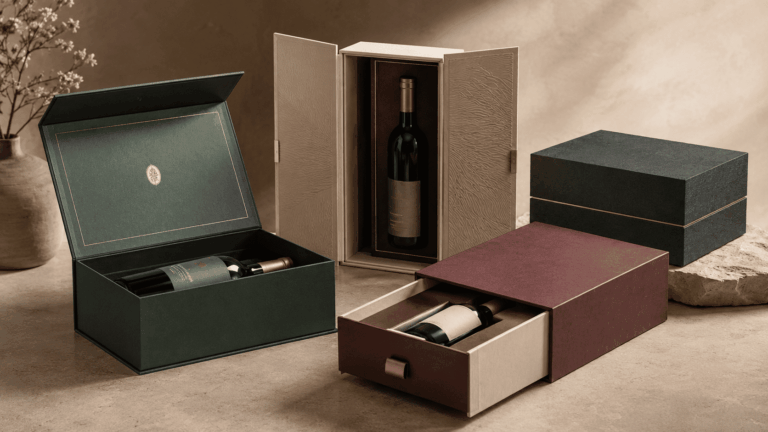
Boutique wine stores, winery shops, and gift stores often benefit from richer textures and more controlled design. A custom wine box for this channel can use leather-textured material, specialty paper, a window panel, or metal details when they match the brand tone.
Chain Retail Display
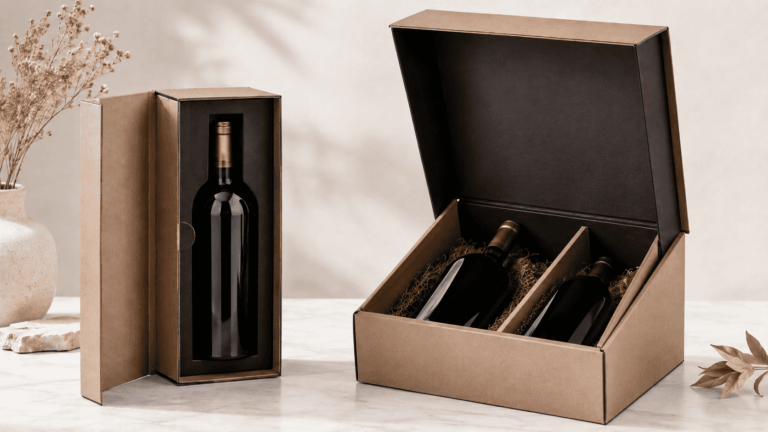
Chain retail projects require stronger consistency. The box needs a stable shape, a clear front display, and a structure that can be placed beside other units neatly. Cardboard wine boxes can be practical here because they support printing, structure control, and repeatable display.
Seasonal Retail Campaigns
Seasonal campaigns need stronger visual recognition. Color, artwork, logo size, and packaging series should be planned as one system. A holiday gift display, new product launch, or store promotion often needs the same wine packaging style across several bottle types or gift levels.
Check the Front-Facing Display Area
A retail wine box often wins or loses attention from the front view. This section should be confirmed before the artwork is finalized.
Logo and Product Information
The main viewing area should leave enough space for the logo, wine name, or brand message. Handles, windows, clasps, ribbons, or decorative lines should not block the core visual path. If the box will be photographed for online retail, the logo and main shape should also remain clear from a normal product photo angle.
Bottle Visibility
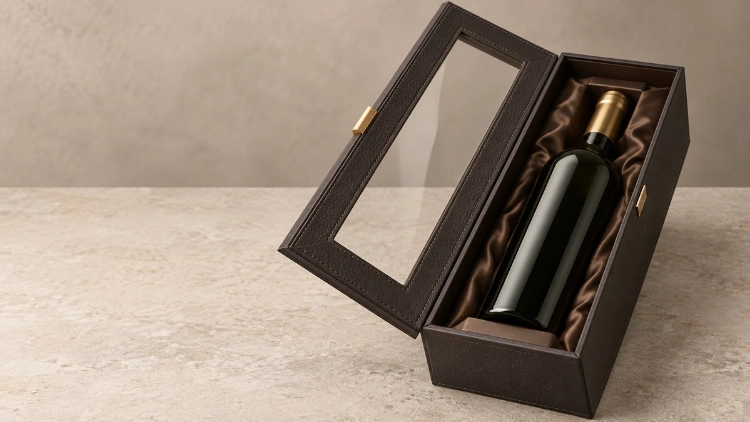
Product visibility matters when the bottle label or bottle color carries strong brand value. In that case, a window structure can help shoppers see the product before opening. For creative wine bottle packaging, the window should show the most useful part of the bottle, not just a random area.
If the brand wants a more private gift feeling, a full-cover box may be better. The point is to match visibility with the sales purpose.
Shelf Grouping
Retail buyers should review more than one sample. A single box may look attractive, but a row of boxes can reveal issues in color consistency, alignment, logo placement, and box height. For retail wine packaging, a series display is often as important as an individual package.
Choose Materials Based on Retail Positioning
Material choice should follow the retail price level, brand image, and handling needs. Different materials create different shelf impressions.
Cardboard for Practical Retail Projects
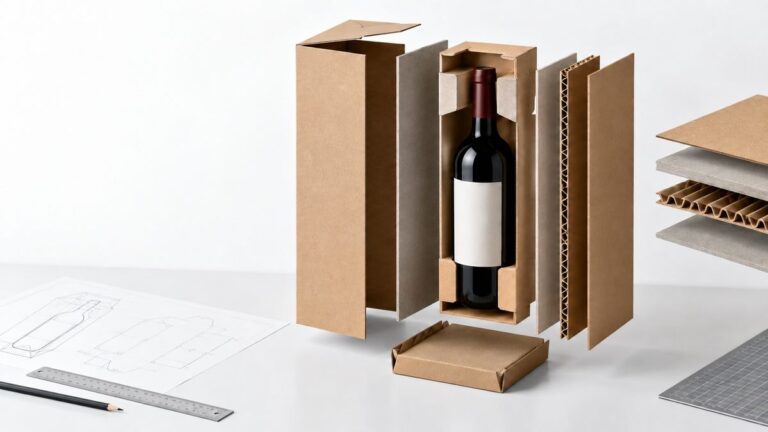
Cardboard wine boxes can suit many retail projects because they are flexible for printing, shaping, and visual design. They can work for single-bottle, double-bottle, or gift-style projects when the structure is planned around the real bottle.
Leather-Textured Materials for Premium Retail Projects
Leather-textured paper or leather-look material can help a retail wine box feel more premium. This type of material is more suitable for boutique shelves, gift areas, limited editions, and selected brand displays. It should match the bottle, label style, and target shopper.
Corrugated or Rigid Structures for Different Shelf Needs
Corrugated structures are often more practical when protection and lighter handling matter. Rigid structures can offer stronger gift presence and cleaner shape. Neither option is automatically better. The correct choice depends on bottle value, display method, and expected handling.
Confirm Bottle Fit and Box Size Before Sampling
A retail box must fit the real bottle. If the bottle sits too low, too high, or off-center, the whole display effect can suffer.
Bottle Size and Shape
Brands should confirm bottle height, diameter, shoulder shape, and base width before sampling. A standard wine box size may not work for every red wine, sparkling wine, spirits bottle, or special bottle shape.
Inner Support and Repacking
Inner support is still important in retail packaging. The bottle should not move when the box is lifted or opened. If the box includes a window, the bottle must stay centered behind it. The box should also close properly after opening because retail staff may need to check, adjust, or repack it.
Product Reference for Retail Projects
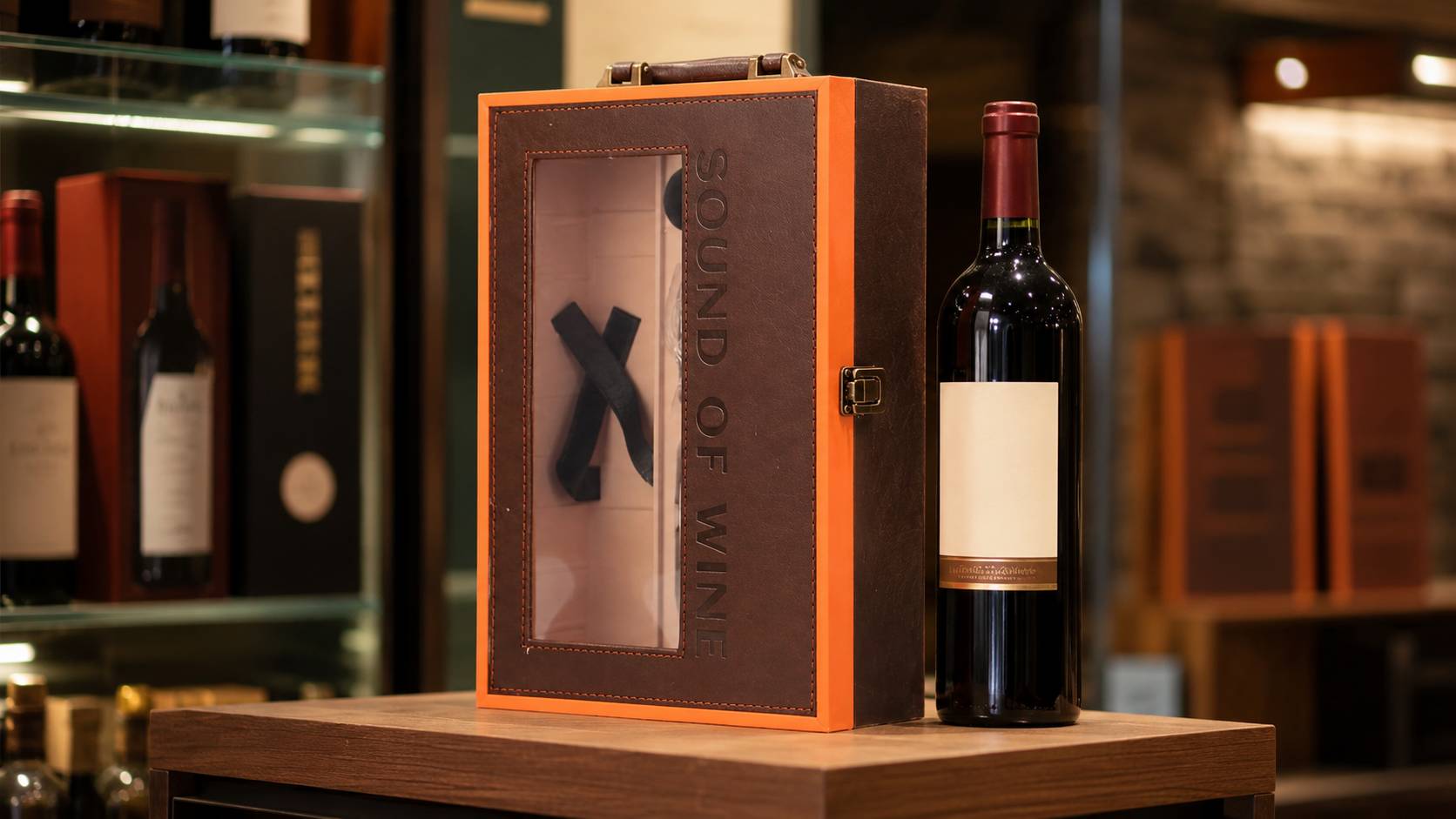
For retail projects that need product visibility and a more premium finish, the Custom Luxury Leather Wine Gift Box with PVC Transparent Window is a useful product option. It uses a leather display box format with a translucent PVC window, embossed lettering, a secure metal clasp, and a leather handle. It also supports logo printing, color customization, and structural design.
This format can fit boutique retail, wine brand display, gift store presentation, and selected client-facing retail projects. The window helps the bottle label remain visible before opening, while the leather surface and clasp support a more formal presentation. It is better suited to retail projects that need stronger product visibility and higher gift value than a plain carton.
What Brands Should Confirm Before Ordering
Before confirming a custom wine box project, brands should prepare a clear brief. The brief should include bottle size, retail channel, main viewing angle, material direction, logo file, color reference, window need, sample requirement, and delivery schedule.
Brands planning a new retail packaging project may also review this custom wine box partner selection guide before comparing structure, sample quality, and production control. This can help keep the focus on fit, display, and repeatable results instead of surface design alone.
For projects that require custom size, material, printing, logo placement, or structural design, buyers can also review TopWinePack’s custom wine box development process before preparing artwork and sample requirements.
Why TopWinePack Can Support Retail Wine Box Projects
TopWinePack focuses on custom wine boxes and wine gift packaging for wine and spirits-related projects, buyers often need help checking structure, material, bottle fit, window placement, logo method, and sample performance.
We can review the retail channel, bottle size, display goal, and branding needs before sampling. This helps the final custom wine packaging design support both shelf presentation and practical handling.
Conclusion
A custom wine box for retail projects should be planned around the store environment, not only the product photo. Brands need to confirm retail channel, front-facing display, bottle visibility, material direction, box size, inner support, and sample performance before placing a custom order.
The right wine box packaging design should help the product stand clearly on the shelf, keep the bottle stable, support the brand, and remain practical for retail handling. To prepare a retail wine box project, send your bottle size, retail channel, logo file, material direction, and display requirements to TopWinePack for structure and sample review.
FAQ
Q: What should brands confirm before ordering a custom wine box for retail projects?
A: Brands should confirm the bottle size, retail channel, front display area, material choice, logo position, window need, inner support, and sample performance before production.
Q: Are cardboard wine boxes suitable for retail display?
A: Yes. Cardboard wine boxes can suit retail display when the structure, printing, and bottle fit match the shelf environment and brand position.
Q: When should a retail wine box include a transparent window?
A: A transparent window is useful when the bottle label, bottle color, or product identity should be visible before opening. The window size and bottle position should be checked during sampling.