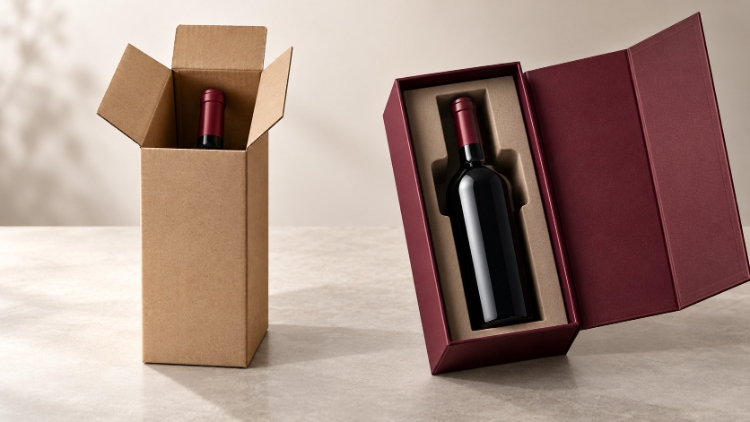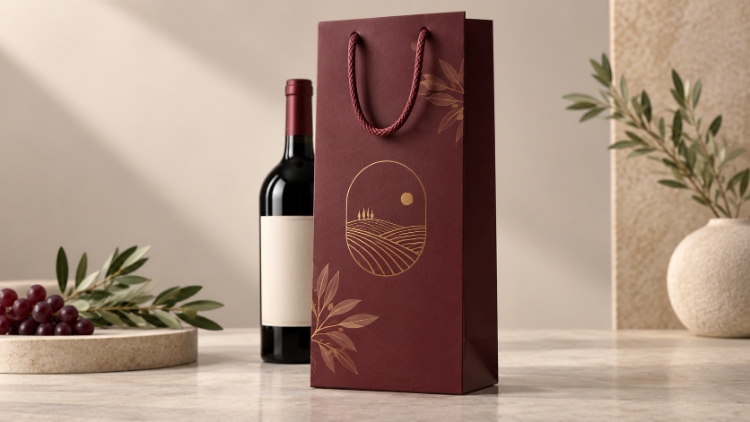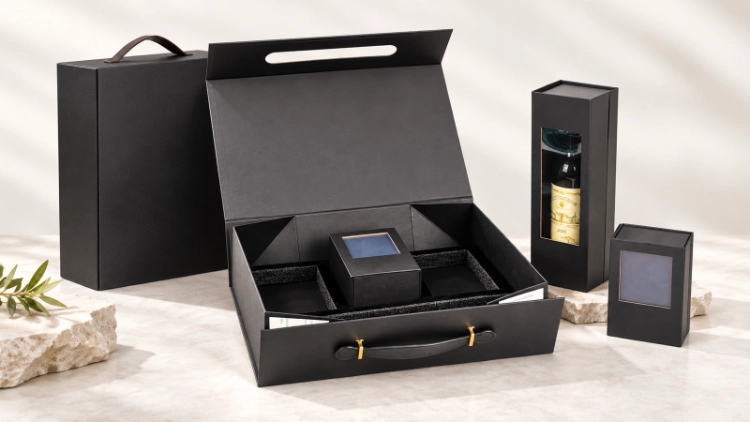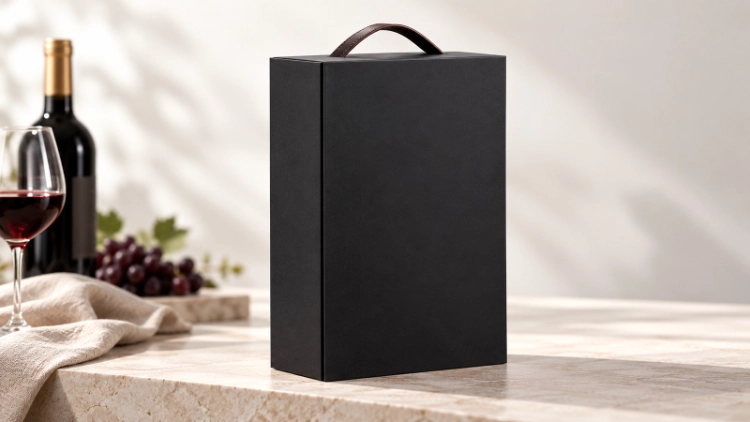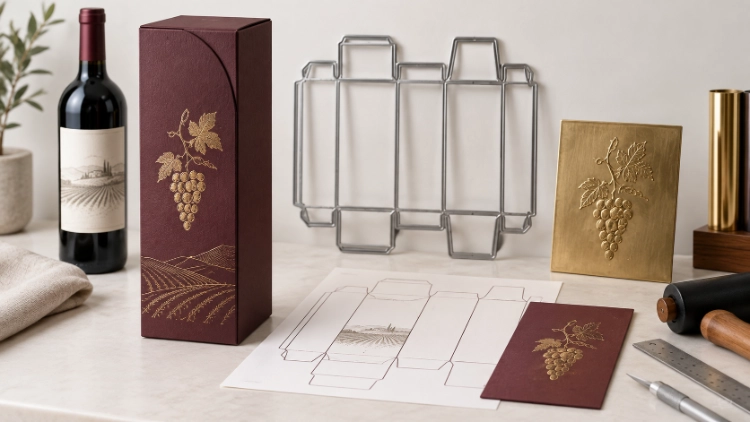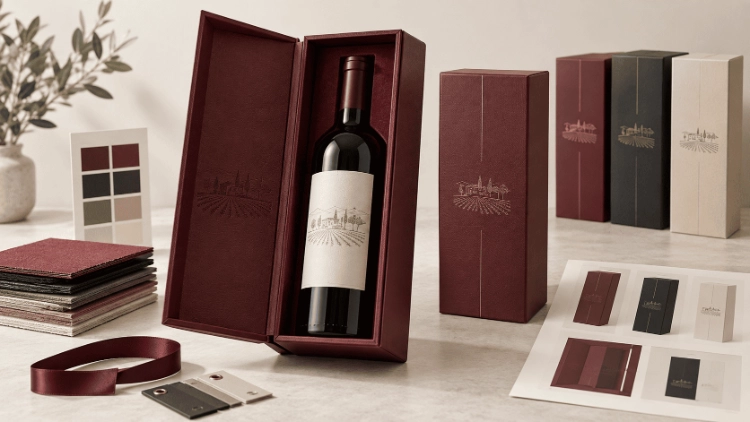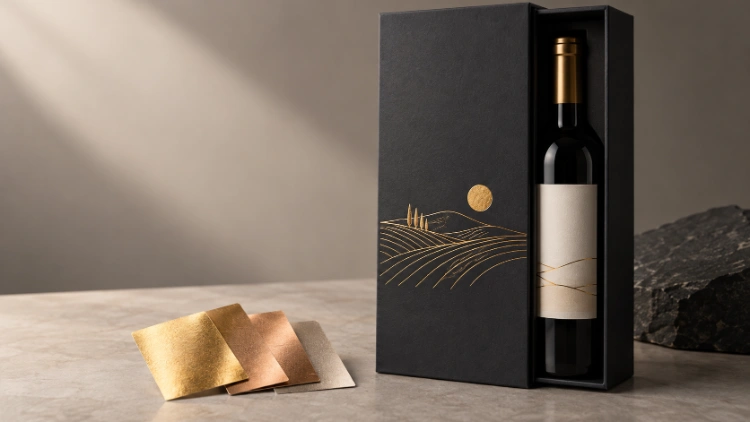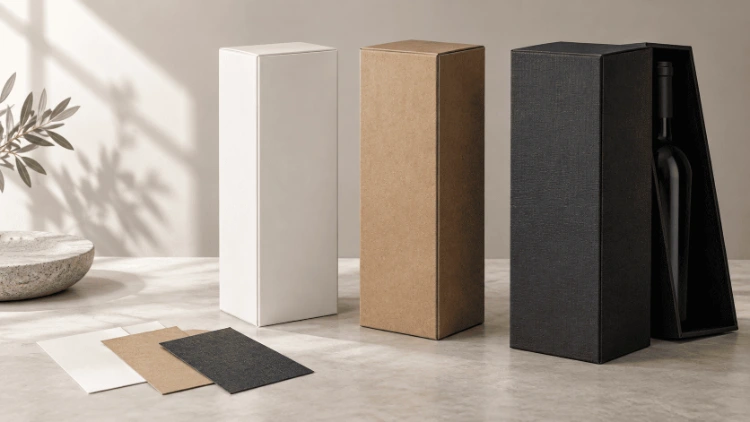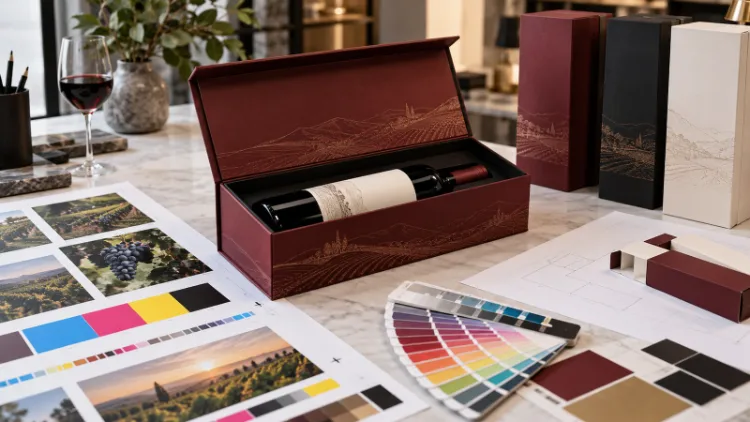

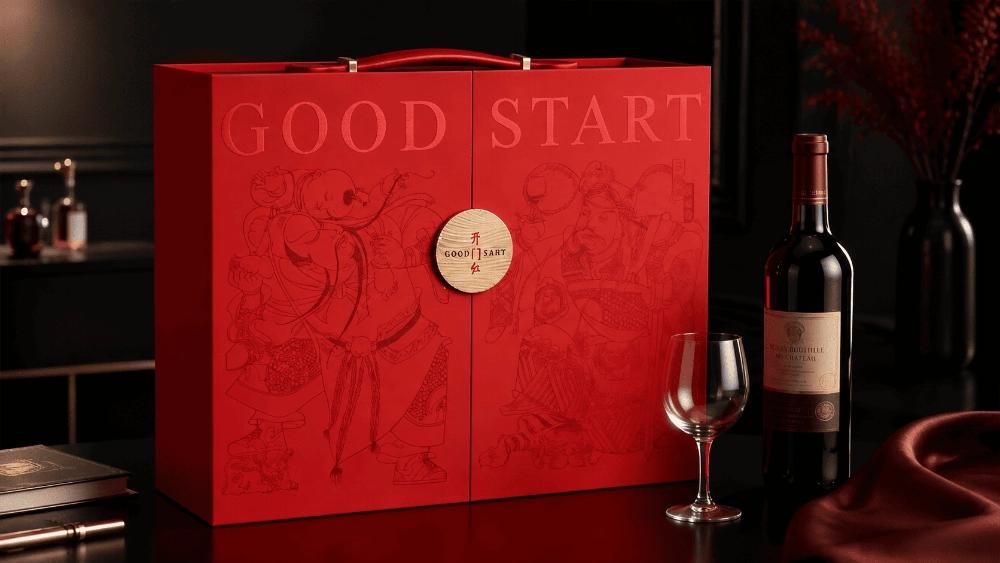
Luxury wine packaging is easy to describe and harder to specify. A reference image may show a magnetic lid, textured paper, foil lettering, and a carefully arranged bottle. It rarely shows the board grade, insert tolerances, opening force, packing time, barcode area, or approved color reference that make the design repeatable.
For custom luxury wine packaging, the production brief must translate appearance into measurable choices. That means defining the job of the pack, the bottle geometry, the structure, the materials, the finishes, the artwork handoff, and the sample approval record. A custom wine box becomes commercially useful when it protects the bottle and gives every team the same version to approve.
Define the Job of the Package Before Choosing a Finish
Start with the moment the package must support. A gift set for a retail shelf may need a strong opening reveal and a stable display footprint. A corporate gift may need a handle, a message panel, or space for a second item. A pack moving through parcel delivery needs more attention to corner strength, insert restraint, and closure security.
The bottle count and sales channel affect nearly every later choice. A single bottle can use a compact cavity, while a two-bottle set needs a divider or a shaped insert that prevents contact. If the box will be carried by hand, the handle and base deserve a load review. If it will remain in a case, the outer dimensions may matter more than a theatrical opening.
Luxury wine packaging design works best when the brief states the intended use before it lists decorative effects. Write down the bottle format, quantity, audience, channel, opening sequence, and any accessory. Then define the visual priorities. A finish should reinforce the use of the box, not compensate for an unclear structure.
Specify the Box Structure and Bottle Fit
Structure is the first production decision because artwork cannot correct a poor fit. The outside dimensions, panel order, hinge or fold position, closure, and insert must be developed around the actual bottle rather than a generic bottle silhouette.
Bottle Count and Geometry
Record the filled bottle height, maximum body diameter, shoulder shape, neck length, closure height, and weight. Include any variation between bottle sizes in the range. A cavity that fits a straight-sided bottle may grip a sloped shoulder differently. Glass clearance should be tested in the finished insert, not inferred from a nominal diameter.
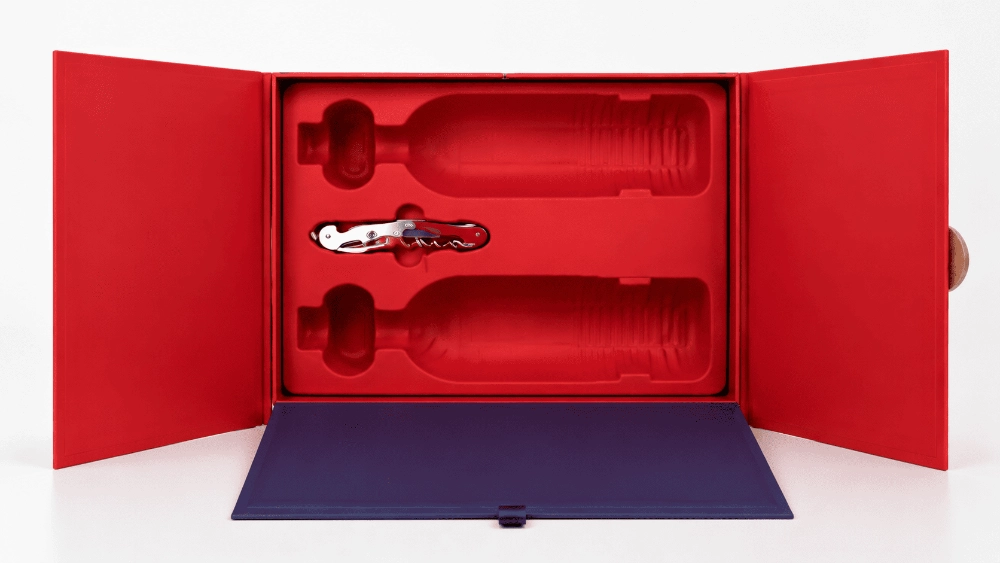
For custom luxury wine packaging boxes, also record the space needed for cards, tasting notes, a corkscrew, or other approved accessories. Extra cavities increase board, insert material, and assembly time. They should have a defined purpose and a packing sequence that can be repeated by the team handling the finished box.
Opening Style and Handling
Book-style, drawer, lid-and-base, magnetic folding, and double-door structures create different experiences and different production risks. A magnetic closure needs a secure magnet pocket and a consistent closing position. A double-door box needs a center seam that does not interfere with the logo or the bottle insert. A drawer needs enough clearance to open without scuffing the wrap.
The opening sequence should be written in plain production terms. Note which panel opens first, where the hand applies force, and how the box is supported during packing. If a handle is included, define its attachment and the intended filled load. These details make the packaging easier to sample and prevent a visual reference from becoming an ambiguous instruction.
Inserts and Protection
An insert must hold the bottle without excessive pressure, movement, or visible gaps. Velvet trays, EVA foam, blister components, paper molds, and corrugated dividers have different tactile and disposal characteristics. The choice should follow the bottle, handling route, presentation level, and material plan.
Check the insert in an open sample. Confirm that the bottle can be placed quickly, the neck remains aligned, and the box closes without compressing the contents. If the package will be shipped, add handling tests appropriate to the route. Luxury presentation has value only when the bottle reaches the recipient in the same condition shown in the approved sample.
Set Materials and Surface Specs in Production Terms
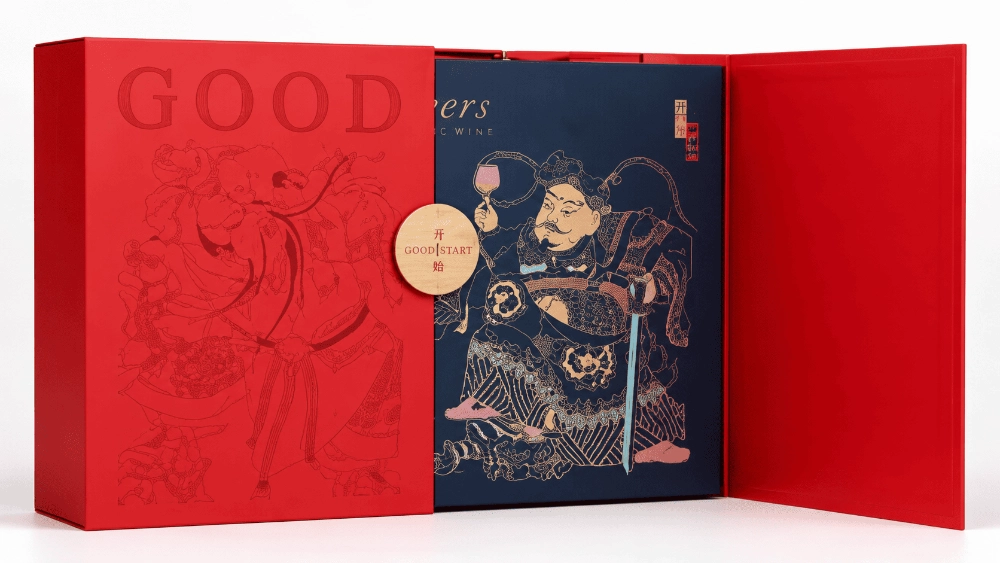
Words such as “premium paper” or “high-end finish” are not enough for a production order. The brief should name the substrate, surface, weight or thickness range, color reference, and treatment that the sample must represent.
Board, Wrap, and Specialty Paper
A rigid structure may use gray board covered with specialty paper, while a folding format may use a coated or uncoated paperboard. Kraft, white card, gold or silver board, flocked paper, and leather-textured paper create different print and handling results. The selected paper should match the bend, wrap, edge, and closure requirements of the structure.
The material list should also identify surfaces that remain visible inside the box. An interior panel can change the perceived color of the bottle and accessories. If the project has an environmental claim, record the sourcing or chain-of-custody evidence separately from the tactile description. FSC certification relates to responsible forest sourcing and chain of custody; it does not by itself guarantee that the complete package is recyclable.
Foil, Embossing, Spot UV, and Coating
Premium wine packaging often combines a quiet base with one or two focused finishes. Foil stamping can emphasize a logo or border. Embossing can create a tactile mark. Spot UV can separate a small detail from a matte surface. Lamination may change scuff resistance and color depth.
Each finish should have a location, coverage, color or foil reference, and tolerance. “Gold logo” could mean a warm foil, a metallic ink, or a printed approximation. “Soft-touch” could refer to a film or a coating. Those options do not behave the same way at folds and edges. A production brief that names the process avoids a new interpretation at the proof stage.
Color Matching and Tactile Intent
The same color can appear different on kraft, coated paper, textured stock, and dark wraps. Supply a physical or approved digital reference and identify the substrate used for the proof. Note where white ink is required and whether the design uses a spot color or a process build.
Tactile language should describe a result that can be checked. “A restrained raised logo on a matte panel” gives the team a location and a visual goal. “Make it luxurious” does not. The sample approval should record what was accepted, including the balance between printed graphics, texture, and empty space.
Prepare Artwork and Proofing Details Before Production
The artwork handoff is a technical package, not just a logo file. Start from the correct dieline for the approved size and structure. Keep cut, crease, bleed, safe-zone, glue, magnet, and insert information on clear layers. A final PDF should contain the intended fonts or outlined text, linked or embedded assets, correct color settings, and enough bleed for edge-to-edge artwork.
Small text and codes deserve their own check. Ingredient notes, importer details, batch marks, and QR codes can become difficult to read on a folded or textured panel. Barcodes should sit on a stable, scannable surface. Legal copy should not cross a hinge, seam, or deep emboss. These are small file decisions, but they often determine whether a sample is ready for production.
Proofing should happen in stages. First confirm the blank structure and bottle fit. Then review the printed proof on the selected stock. After that, check finishing, insert alignment, closure action, and the final packed appearance. Keep the approved PDF, sample notes, material specification, and version number together. A later artwork change should create a new version and a new approval record.
Build a Manufacturing Brief With Change Control
A custom wine packaging manufacturer can work from a reference image only after the image has been converted into a controlled specification. The brief should contain the product role, bottle data, structure drawing, board and wrap, insert, closure, finishes, artwork package, proof sequence, packing method, and approval owner.
Record what is fixed and what remains open. Fixed items may include the bottle size, logo artwork, board family, or required opening direction. Open items may include foil shade, insert material, or the final claim language. This distinction keeps a design discussion from becoming an untracked production change.
Book-shaped, double-door, window, drawer, magnetic folding, and portable structures can be considered alongside gray board, specialty paper, foil, embossing, and different insert formats. The finished choice still depends on the active bottle and application. A sample approval should confirm the exact combination rather than assume that every option belongs in one box.
Compare Structure, Material, and Finish Options Against the Brief
Once the buyer’s standards are set, compare each option against the active bottle specification. TopWinePack’s custom wine box range includes formats that buyers can review by opening style, material, insert, and finish. The selected combination still needs confirmation in the project sample and approval record.
For a custom wine box, a useful inquiry includes the bottle drawing, quantity, target opening, board preference, insert requirement, finish references, and delivery channel. Send those details through TopWinePack’s custom wine packaging inquiry page; the technical choices should remain tied to the approved sample and specification.
Conclusion
Custom luxury wine packaging becomes reliable when the brief moves from adjectives to decisions. Define the bottle and use case first. Specify structure, insert, materials, color, finishing, artwork layers, proof stages, and assembly conditions in terms another team can check. Then keep one approved version for the sample and production handoff. The result is not simply a more decorated wine box. It is a repeatable package that protects the bottle, supports the intended presentation, and gives the next custom wine packaging conversation a clear starting point.
FAQ
Q: What should a custom luxury wine packaging brief include?
Include bottle dimensions and weight, quantity, structure, opening sequence, insert, board and wrap, finishes, artwork files, proof stages, packing method, and the person responsible for approval. Any open decision should be labeled rather than implied.
Q: Which finishes are common for premium wine packaging?
Foil stamping, embossing, spot UV, specialty paper, textured wraps, and controlled lamination are common options. The brief should identify the location, coverage, color or foil reference, and process for each finish.
Q: When should a buyer approve a sample?
Approve a blank structural sample before final printing, then approve the printed and finished sample on the chosen materials. Bottle fit, closure action, insert alignment, color, legibility, and packed appearance should be checked before production release.