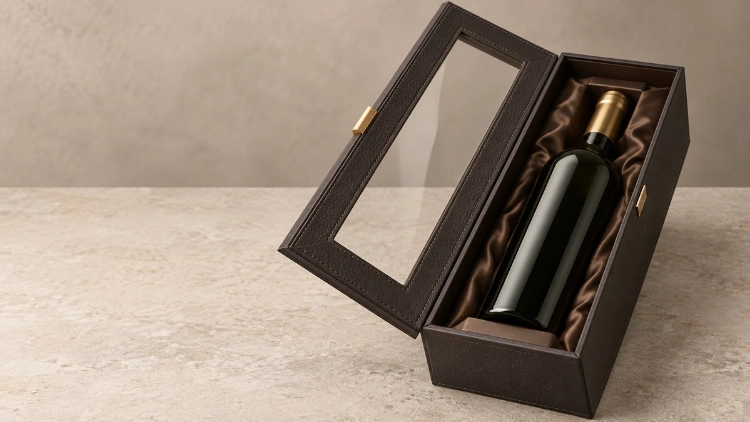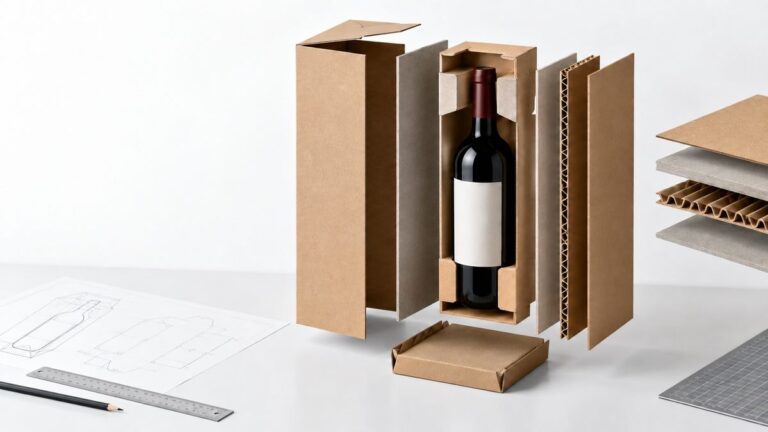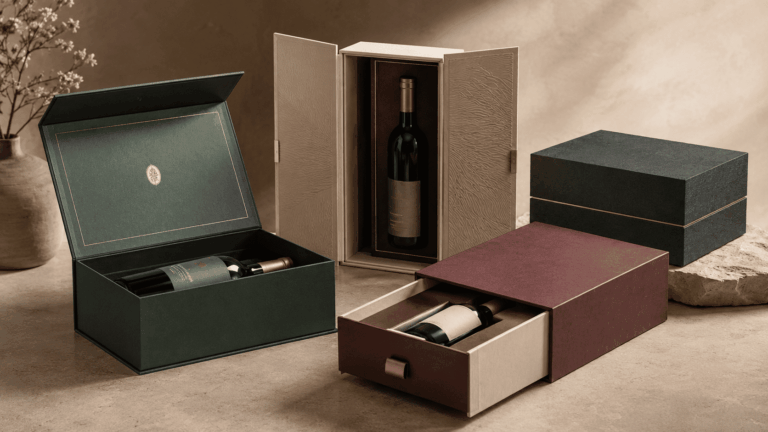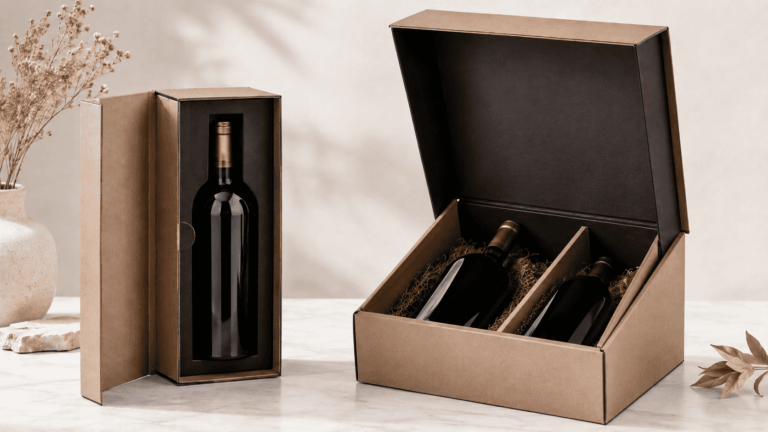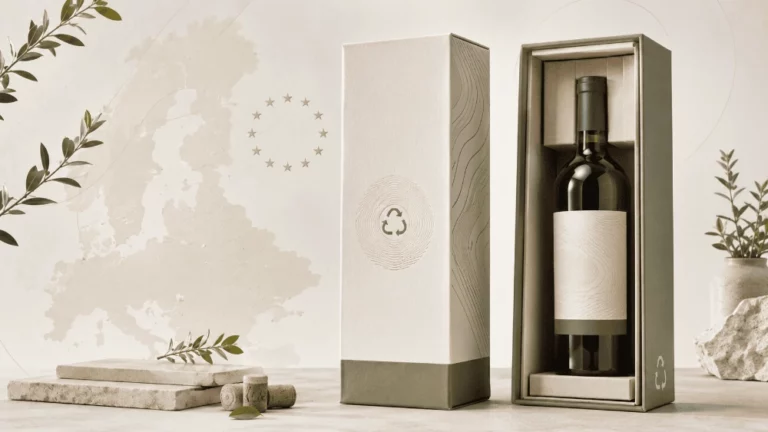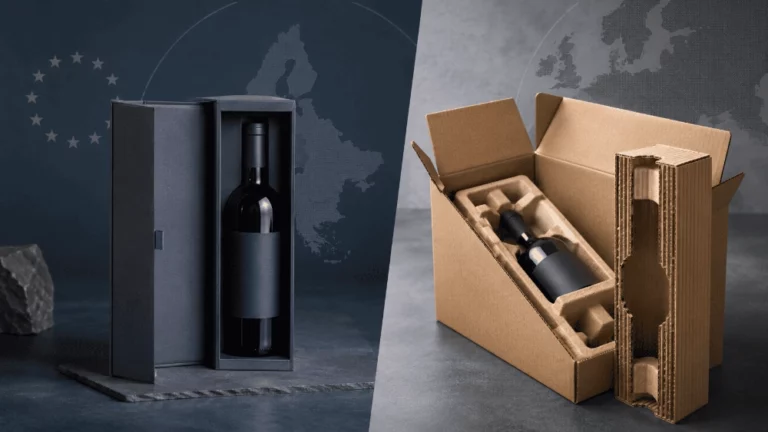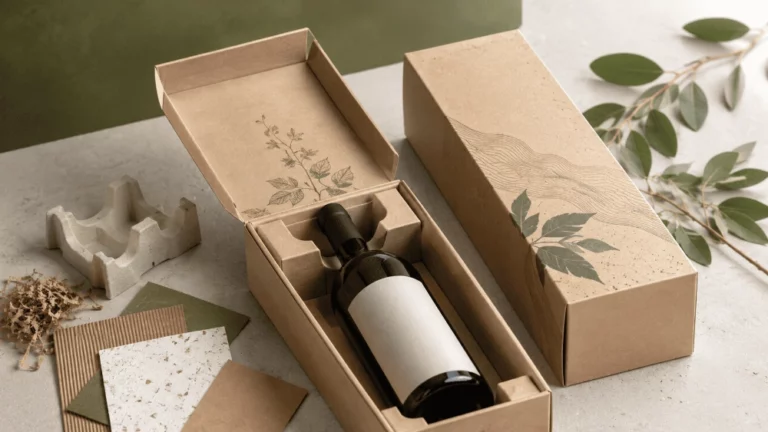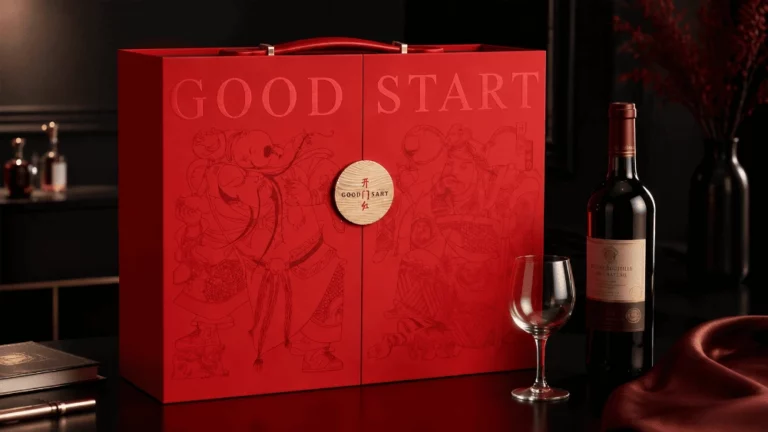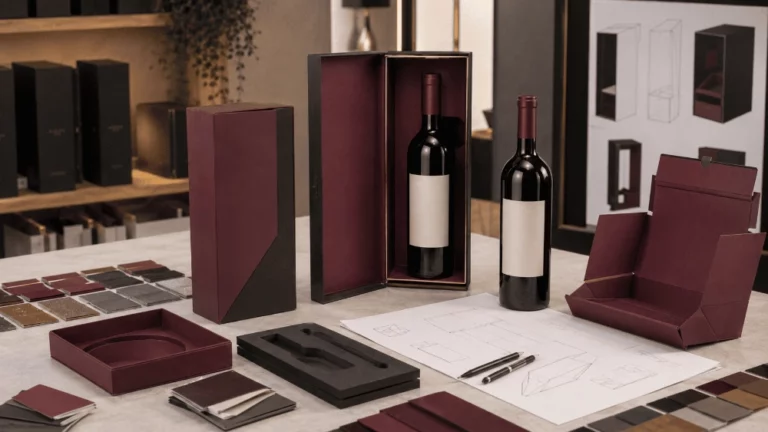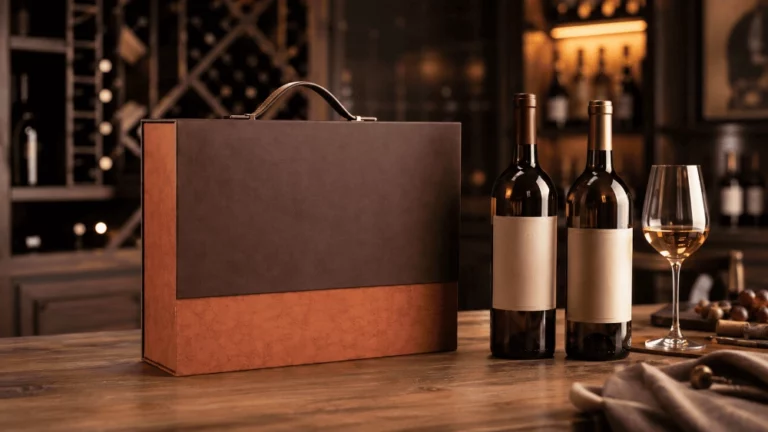

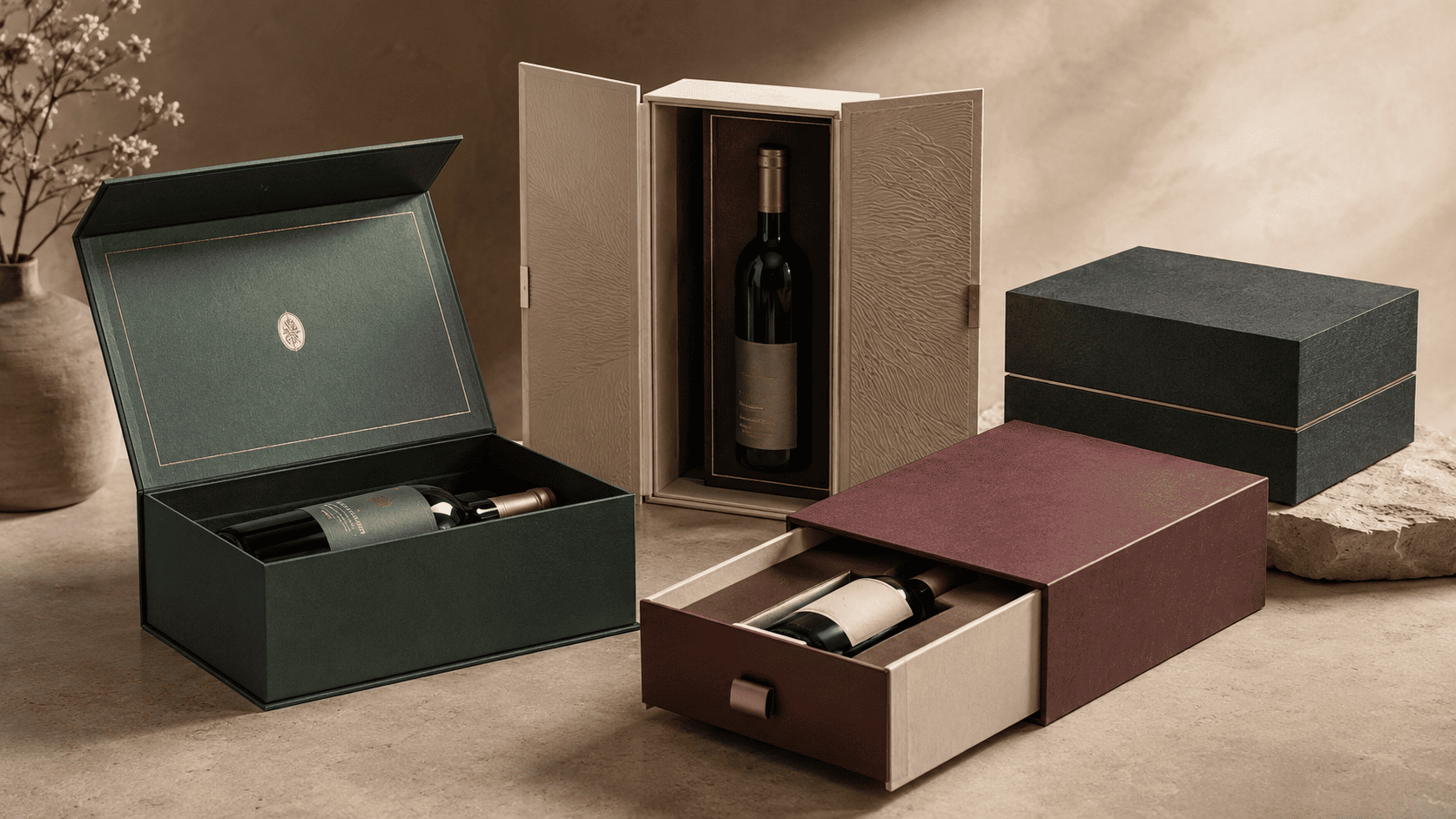
A customer can begin forming an impression of a wine box before the bottle is removed. The first interaction comes from the lid, flap, drawer, door, or sleeve. How easily that part moves, how much of the bottle is revealed, and whether the structure feels controlled can influence the perceived quality of the package before the wine itself becomes the focus.
For a custom packaging project, opening style is therefore more than a visual choice. A dramatic double-door box may suit a ceremonial gift, while a lid-and-base box may provide faster access for a product that calls for a simpler interaction. A drawer can create anticipation when it moves smoothly. A magnetic flap can feel precise, but poor alignment can weaken that impression quickly.
The best unboxing experience is not necessarily the most complicated one. It is the opening sequence that fits the product position, gifting occasion, and way the customer is expected to interact with the box. Ease of opening, reveal speed, bottle access, closing feedback, and repeat use all deserve attention.
For buyers comparing custom wine box designs, the useful question is not simply “Which structure looks most premium?” A better question is: “What should the customer see, feel, and do from the moment the box is touched until the bottle is removed?”
Why Does Wine Box Opening Style Matter to the Customer Experience?
Opening style controls the pace of the interaction. Some structures reveal the bottle immediately, while others require several movements before the full product becomes visible. That pace changes the character of the package. A direct opening can feel efficient and confident, while a slower reveal can add ceremony when the product is intended for gifting.
Tactile feedback matters as well. A magnetic closure gives a distinct closing point. A drawer creates resistance as it moves through a sleeve. A lid-and-base structure depends on the fit between two separate parts. Double doors rely on symmetry and alignment.
None of these mechanisms is inherently more premium than another. The experience depends on how accurately the structure is produced and whether the movement fits the intended presentation.
How Do Common Wine Box Opening Styles Feel to the Customer?
Magnetic Flip-Top: Fast and Controlled
A magnetic flip-top box usually requires one clear movement. The user lifts the lid, the magnet releases, and the bottle becomes visible. This format can work well when the goal is a relatively fast, broad premium reveal without a long opening sequence.
The experience depends on magnet position, flap alignment, hinge movement, and opening force. More magnetic force does not automatically make the structure feel better. If the lid is difficult to lift or closes too aggressively, the interaction can become less comfortable.
Drawer-Style: Slow and Layered
A drawer-style wine box reveals the product gradually. The outer sleeve remains visible while the inner tray moves forward, which naturally creates a slower sequence than a flip-top structure.
That can add anticipation, particularly when the bottle and accessories are arranged in layers. The main risk is friction. A drawer that is too tight can feel difficult to use, while a loose drawer may slide out more readily than intended.
The pull ribbon or finger notch also needs enough clearance. Sampling should therefore check the fully packed drawer rather than only an empty tray.
Double-Door: Dramatic and Symmetrical
A double-door wine box opens from the center and can place the contents between two moving panels. This can create a more central, symmetrical reveal because the user exposes the product through two coordinated movements.
The format can work well for two-bottle sets, wine-and-accessory layouts, or projects where the bottle should become the visual center. The Luxury Double-Door Rigid Wine Gift Box – Custom Design by Jialan uses a rigid cardboard double-door structure and can be customized for dimensions, printing, materials, and finishes.
For the customer experience, alignment is important. If one door closes higher than the other or the center seam is visibly uneven, that difference becomes apparent as soon as the box is handled.
Lid-and-Base: Simple and Direct
A lid-and-base wine box uses a separate top and bottom. The interaction is familiar: lift the lid, place it aside, and access the product directly.
This simplicity can be valuable. Premium packaging does not always require a complex opening mechanism. A clean lid fit, suitable board rigidity, and a well-designed insert can create a controlled experience with relatively little effort from the customer.
The main issue is fit. A lid that is too tight may be awkward to remove, while an excessively loose lid may not feel secure.
Book-Style Magnetic Formats: Familiar but Presentation-Led
Book-style wine boxes open from one side like a cover. They combine a familiar movement with a broad internal reveal and can work well for single-bottle or double-bottle presentations.
Foldable versions add another consideration: once assembled, the box still needs to feel stable. Corners should sit square, magnetic edges should align, and the lid should close evenly after repeated use.
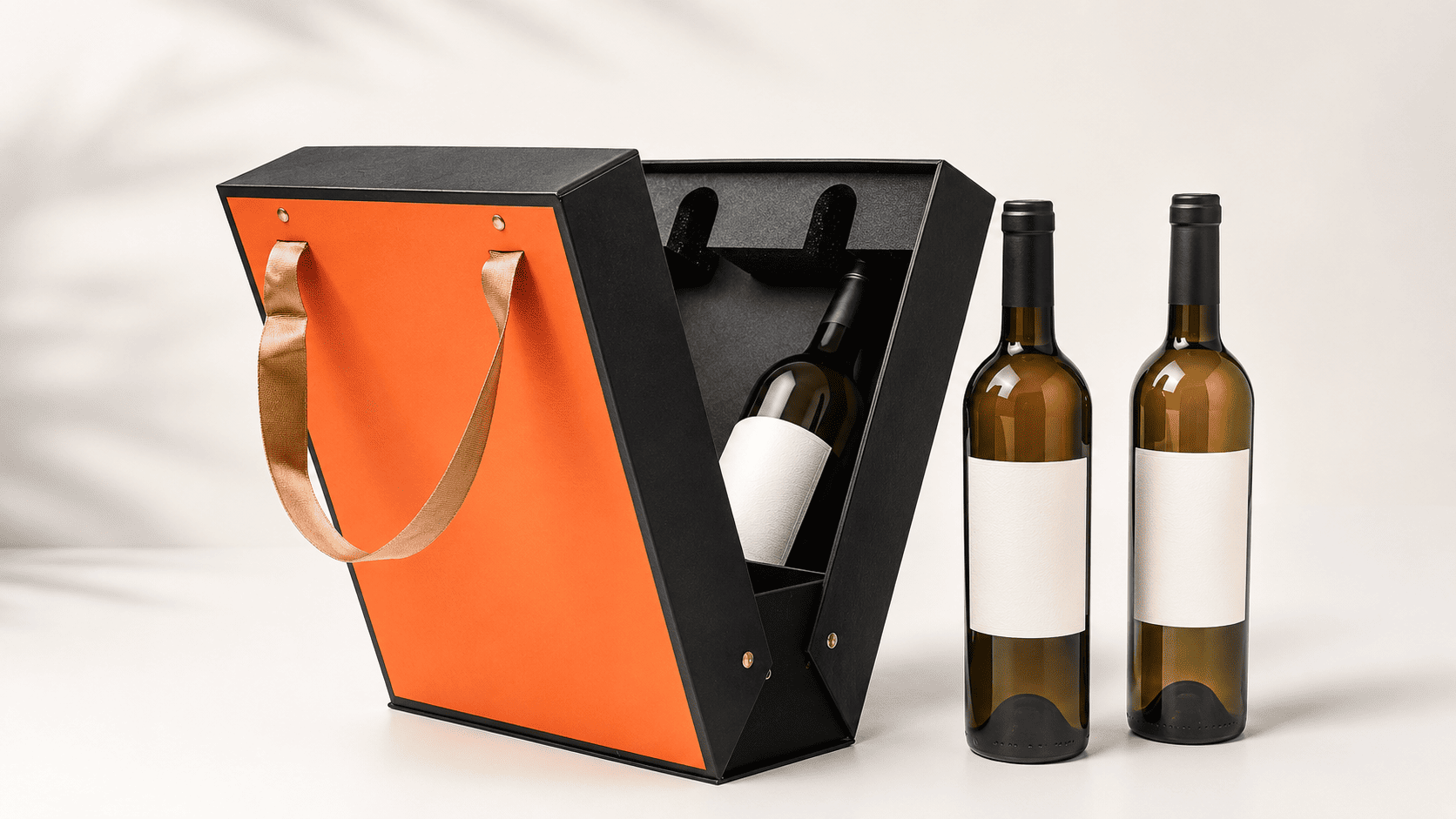
Which Opening Style Creates the Strongest Product Reveal?
The strongest reveal depends on what the brand wants the customer to see first.
A magnetic flip-top typically creates a relatively fast, broad reveal. A drawer produces a slower sequence and can reveal the bottle progressively. Double doors can create a central, symmetrical reveal and frame the product from both sides. Lid-and-base boxes expose the contents directly once the lid is removed. Book-style formats create a wide side-to-side opening that can combine external branding with an internal presentation panel.
| Desired reveal | Suitable starting point |
| Immediate full view | Magnetic flip-top |
| Gradual reveal | Drawer-style |
| Central dramatic reveal | Double-door |
| Direct access | Lid-and-base |
| Broad presentation panel | Book-style magnetic |
The reveal should also suit the contents. A dramatic structure may be unnecessary for a straightforward single-product presentation, while a multi-component gift set may benefit from a staged opening that helps the customer view the contents in a deliberate order.
Which Opening Style Makes the Bottle Easiest to Access?
Product access is easy to overlook because packaging is usually photographed while open. The customer still has to remove the bottle comfortably.
Finger clearance around the bottle should be checked in every structure. A narrow insert cavity may hold the bottle securely but leave no comfortable place to grip it. Deep boxes can make this problem more noticeable.
Lid-and-base and broad magnetic openings often provide relatively direct access from above. Double-door formats provide a wide front view, but the insert still needs enough clearance. Drawers need sufficient extension so that the user is not reaching too far back into the sleeve.
Opening angle matters as well. A magnetic lid that stops too close to the bottle can interfere with removal. Practical access comes from coordinating the opening structure with the insert rather than approving the two parts independently.
How Does Reclosing Affect the Unboxing Experience?
The experience does not necessarily end when the bottle is removed. Many gift boxes are closed again, kept for storage, or reused.
Magnetic formats provide clear closing feedback when magnets align consistently. Drawer boxes need the tray to return without catching. Lid-and-base boxes should close without excessive force. Double doors need both sides to meet cleanly at the center.
If the box is likely to be kept, repeated opening should remain comfortable, and the surface should not be damaged by the opening mechanism itself. This matters particularly for gift packaging intended to retain value after the original product has been removed.
Which Opening Style Fits Different Wine Packaging Scenarios?
The most suitable structure follows the intended interaction rather than a general ranking.
| Packaging goal | Suitable opening style | Experience created |
| Premium retail | Magnetic flip-top | Fast, controlled reveal |
| Corporate gifting | Double-door or magnetic | Strong presentation |
| Ceremonial gift | Drawer or double-door | Slower, staged opening |
| Direct product access | Lid-and-base | Simple interaction |
| Single-bottle premium pack | Book-style or magnetic | Focused presentation |
| Reusable presentation box | Magnetic or book-style | Easy repeated opening |
A brand can combine structural features, but adding mechanisms without a clear purpose may make the package harder to use rather than more premium.
What Should Buyers Check During Sampling?
A rendering can show how a wine box looks open. It cannot demonstrate whether the lid is difficult to lift, the drawer rubs, or the bottle is awkward to remove.
Sampling should therefore include repeated physical use with the actual contents. Check opening force, magnetic alignment, drawer friction, hinge movement, lid fit, door symmetry, and bottle accessibility.
The insert should be reviewed at the same time. Confirm that it holds the bottle securely while still allowing practical removal. Check whether any panel touches the bottle or accessories during opening.
At TopWinePack, we can develop custom wine box structures around the bottle, presentation goal, and intended opening sequence. The custom wine packaging process can include structural development, material selection, printing, finishing, and sample confirmation before production.
For buyers, a strong sample is not simply one that photographs well. It should also open, close, and provide access to the product without avoidable friction or uncertainty.
Conclusion
Wine box opening style can directly influence how the customer experiences the package. Magnetic flip-top boxes offer a relatively fast reveal, drawers slow the sequence, double doors can create symmetry and ceremony, lid-and-base boxes provide direct access, and book-style formats combine familiar movement with a broad presentation surface.
No single structure creates the best unboxing experience for every project. The more suitable design is the one that matches the intended customer interaction and remains practical after the first impression.
Custom buyers should therefore evaluate opening force, reveal sequence, bottle access, closing behavior, and repeated use during sampling. These details help determine whether an attractive structure also performs well in the customer’s hands.
FAQs
Q1: Which wine box opening style feels most premium?
A: Premium perception depends on execution and context. Magnetic, drawer, and double-door formats can all create a high-end experience when opening force, alignment, material quality, and internal presentation are controlled.
Q2: Are magnetic wine boxes better for gifting?
A: Magnetic boxes are a strong option for gifting because they provide a clear opening and closing action, but they are not the only suitable choice. Drawer and double-door structures may create a slower or more ceremonial reveal for some gift projects.
Q3: What should buyers test before approving a wine box opening structure?
A: Test the box with the actual contents. Check opening force, magnet alignment, drawer movement, hinge behavior, door symmetry, bottle access, insert interference, reclosing, and structural stability after repeated use.