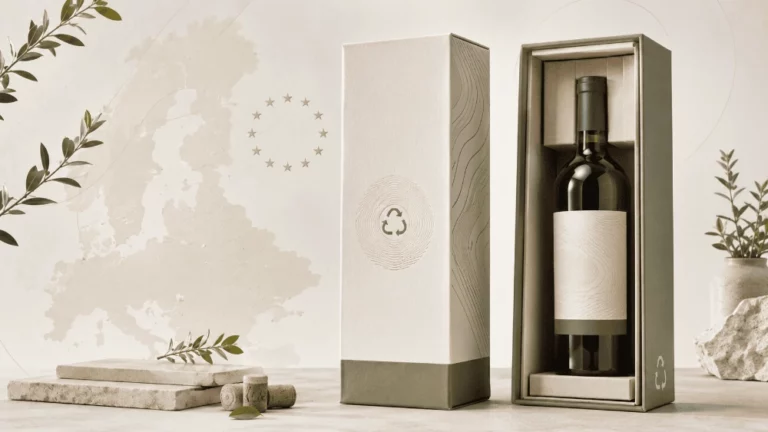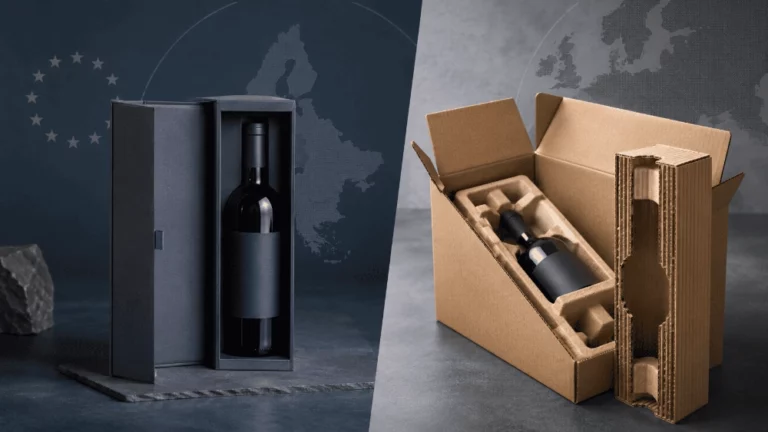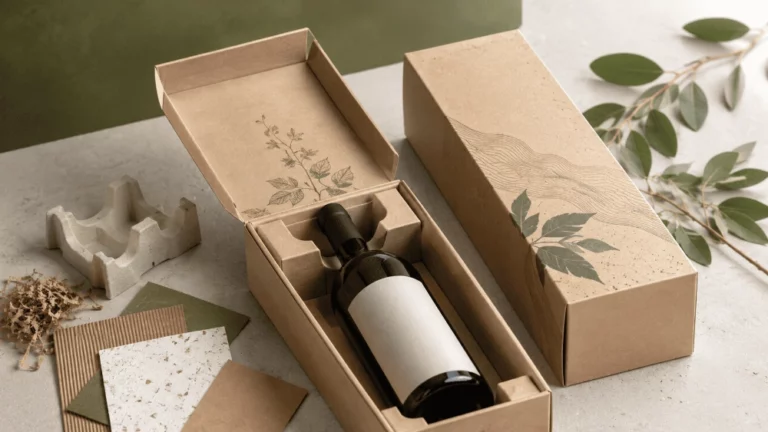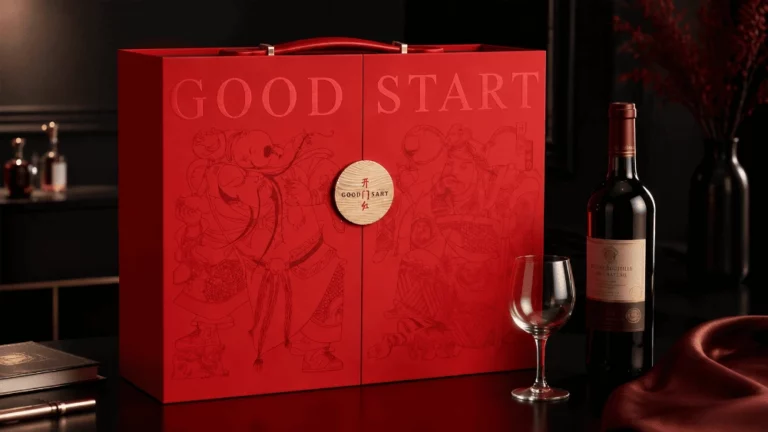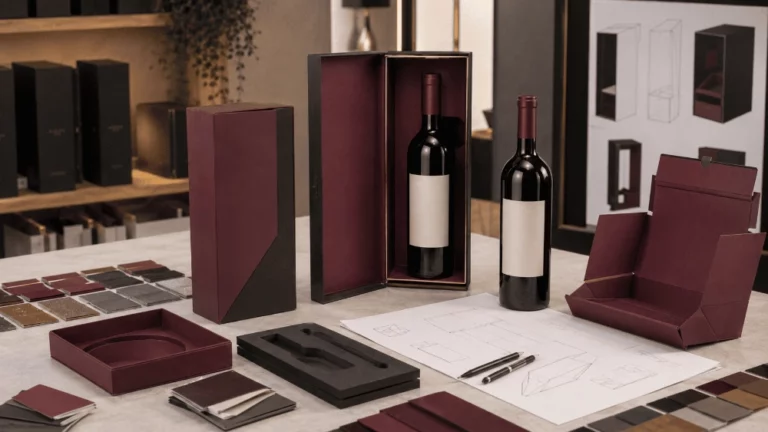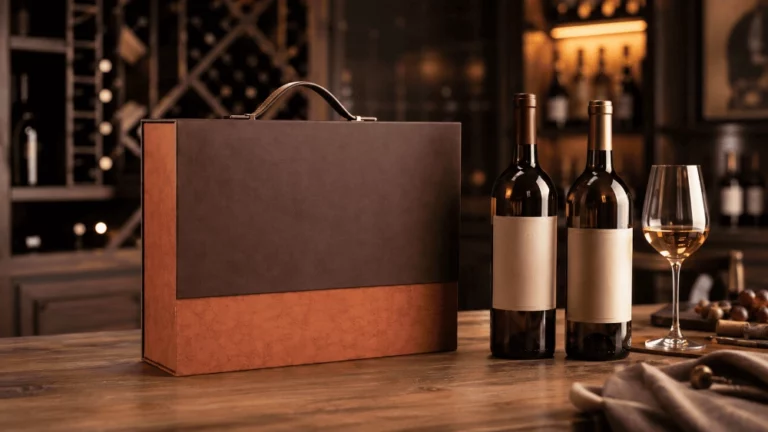

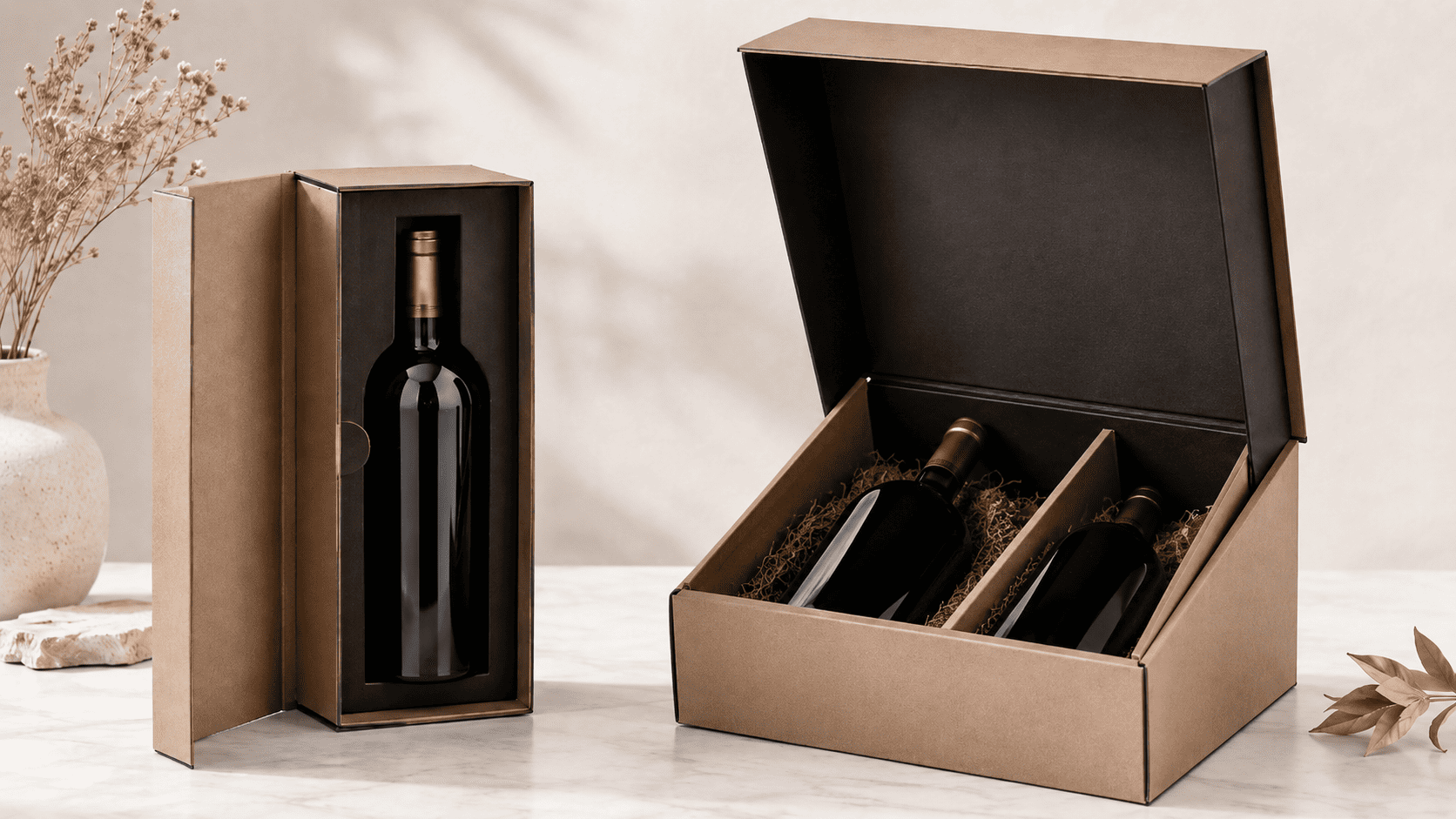
At first glance, a single-bottle wine box and a multi-bottle wine box can seem like the same concept in different sizes. In actual packaging work, the difference is much larger. Once more bottles are added, the internal layout changes, the insert has to support the products differently, and protection is no longer only about holding one bottle in place. The packing sequence and cost structure can change as well.
This is where many custom wine packing projects start to separate. A structure that works for one bottle often needs redesign before it works well for two or more. The insert may need a different geometry, clearer separation, and added support in key areas. Accessories make the layout more complex again because several items must be organized without weakening bottle protection.
So the useful comparison is not simply one bottle versus several. What matters is how bottle count reshapes the packaging system. Design choices, protection methods, cost drivers, and applications all shift with it, giving buyers a more practical basis for sampling and quotation.
What Really Changes When You Move from One Bottle to Several?
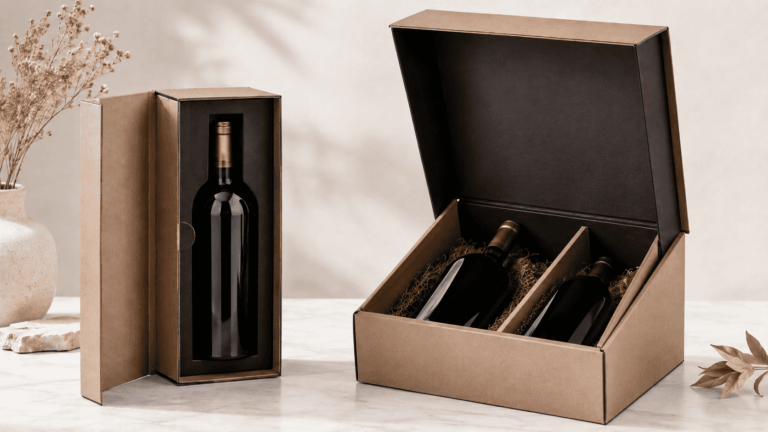
The first difference appears in the interior layout. A single-bottle wine box is usually built around one focal product. With two or more bottles, the priorities shift: the structure has to maintain separation, visual balance, and practical access for packing and removal. The layout becomes part of the protection strategy, not just the presentation.
Protection changes too. A single bottle mainly needs stable restraint inside one cavity. A multi-bottle wine box has to control each bottle separately while preventing direct contact, so dividers, separate cavities, or multiple support zones may be needed.
Cost changes for the same reason. A larger box uses more material, but insert design, partitions, assembly steps, finishing area, and alignment checks can also influence the quotation.
| Design factor | Single-bottle wine box | Multi-bottle wine box |
| Layout goal | Focus on one bottle | Balance several bottles |
| Protection | Control one bottle | Control movement and bottle contact |
| Insert | One main cavity | Multiple cavities or dividers |
| Opening | Broad range of options | Must suit a wider layout |
| Packing | Usually simpler | May require more steps |
| Cost drivers | Structure, finish, insert | Structure, inserts, assembly, finish |
How Does Bottle Count Change the Internal Wine Box Design?
Single-Bottle Layouts Keep the Product at the Center
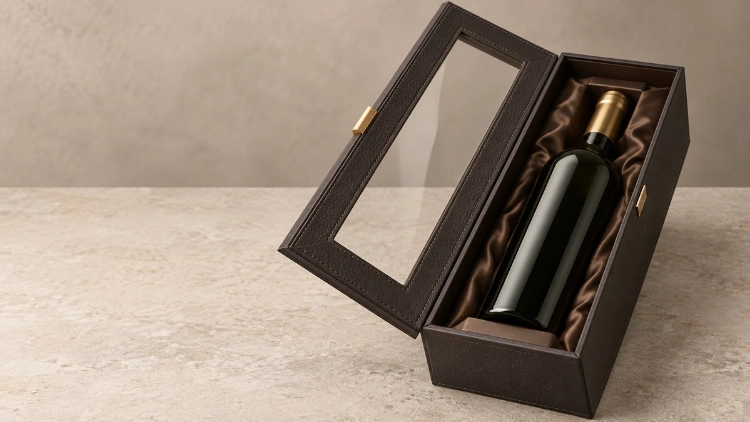
A single-bottle wine box gives the designer room to organize the package around one clear focal point. The bottle can sit centrally or share the interior with a narrow accessory section. Because the insert follows one bottle profile, neck support, shoulder clearance, and base position can be tuned closely around that product.
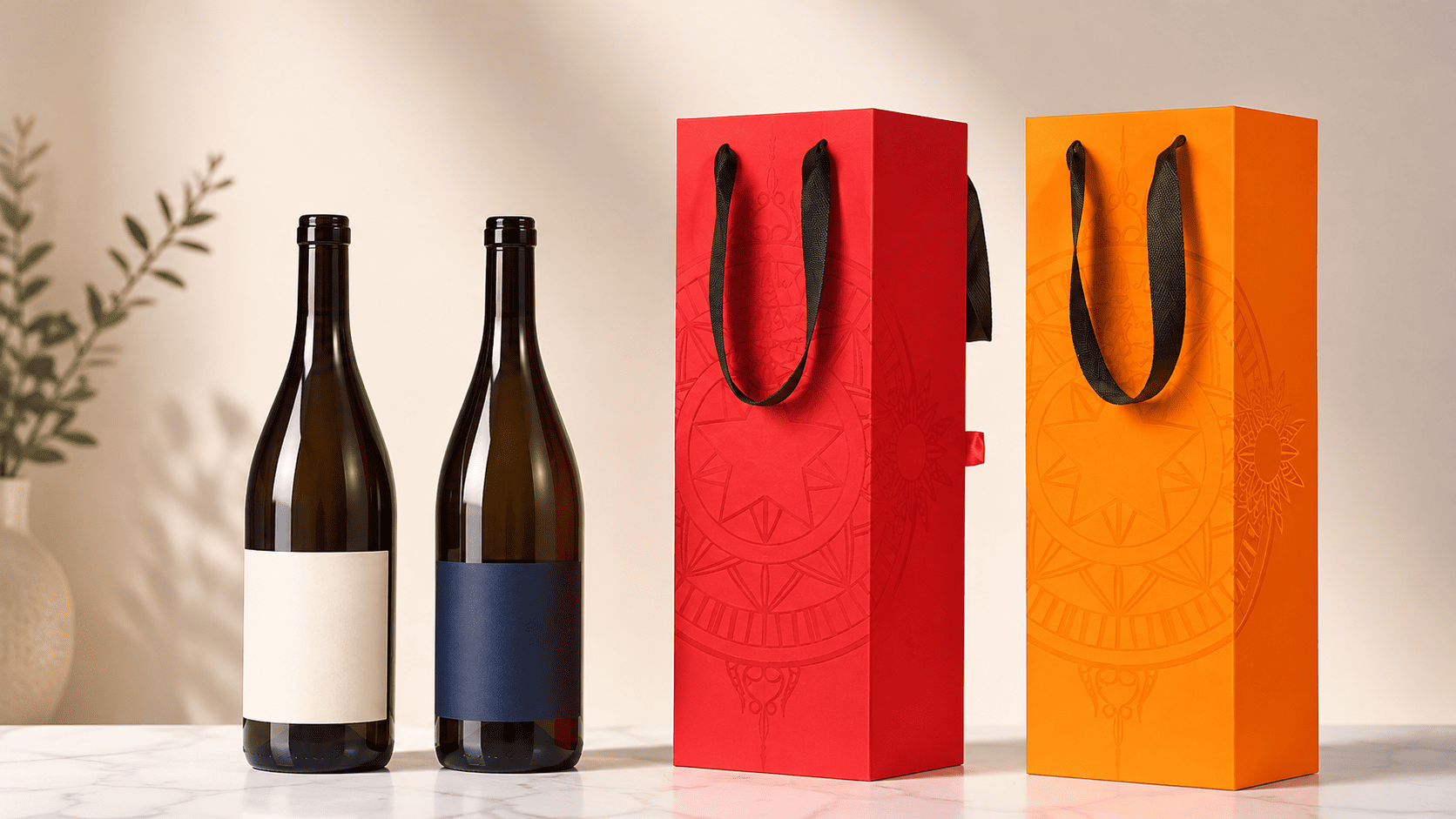
This format can suit a premium single wine, a limited release, or an individual gift where the bottle should remain visually dominant. The Single Bottle Foldable Cardboard Wine Box Customized With Ribbon Handle is one example of that approach. It combines a foldable rigid cardboard structure, UV texture printing, and a ribbon handle while keeping the bottle as the main presentation element.
Multi-Bottle Layouts Need Separation and Balance
With two or more bottles, the relationship between products becomes part of the design. Equal spacing may look clean, but the structure also needs stable bottom support, shoulder clearance, and enough separation to reduce direct bottle contact.
If the bottles differ in height, shoulder shape, or base diameter, one repeated cavity may not work. Separate support zones may be needed. Balance matters as well, especially when the box is lifted or opened. A layout can look symmetrical in a rendering and still feel uneven once the filled bottles are inside.
For handled formats, bottle position should also be reviewed together with the handle attachment and the direction in which the box will be carried.
Accessories Make the Interior More Complex
Glasses, corkscrews, pourers, cards, or other accessories turn the interior into a multi-component layout. Each item needs a defined position without interfering with bottle support or blocking the opening path.
A clear visual hierarchy usually works better than filling every available space. The wine should remain the main product, while accessories support the presentation. That makes the set easier to pack and easier for the customer to read when the box is opened.
How Does Protection Differ Between Single-Bottle and Multi-Bottle Wine Boxes?
Single-Bottle Protection Focuses on Stable Restraint
For one bottle, the main task is to limit shifting. The base should support the filled bottle, while the insert controls sideways movement without gripping the glass too tightly.
The shoulder and neck may also need support so the bottle does not lean against the outer wall during handling. A close fit can help, but excessive pressure makes removal awkward and may create unnecessary stress around the bottle.
Physical sampling with the actual bottle is useful because dimensions alone do not always capture shoulder shape, closure diameter, label position, or base profile.
Multi-Bottle Protection Must Also Control Bottle-to-Bottle Contact
A multi-bottle wine box adds another risk: one bottle can move toward another if the internal separation is weak. That makes dividers and individual support zones more important.
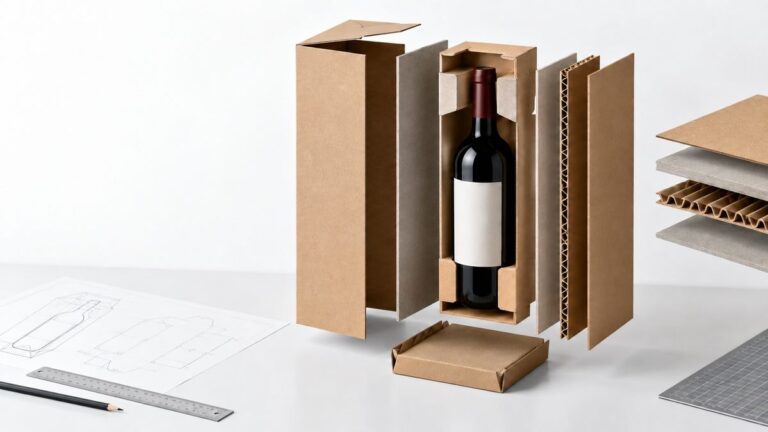
Paperboard partitions, molded pulp, EVA, foam, or other custom inserts can be considered according to the bottle profile, presentation level, handling route, and material requirements. The aim is not to add cushioning everywhere. It is to keep each bottle stable and reduce the chance that movement in one cavity reaches the next.
Insert Geometry Affects Packing and Removal
As bottle count increases, the insert influences packing and removal as much as protection. Each cavity needs enough clearance for placement and enough finger access for removal.
If the insert is too tight, both the packing team and the end customer may struggle with the box. Where different bottle profiles share one package, each bottle should be checked in the same physical sample rather than assuming one cavity can accommodate every shape.
How Does Bottle Count Affect the Opening Structure?
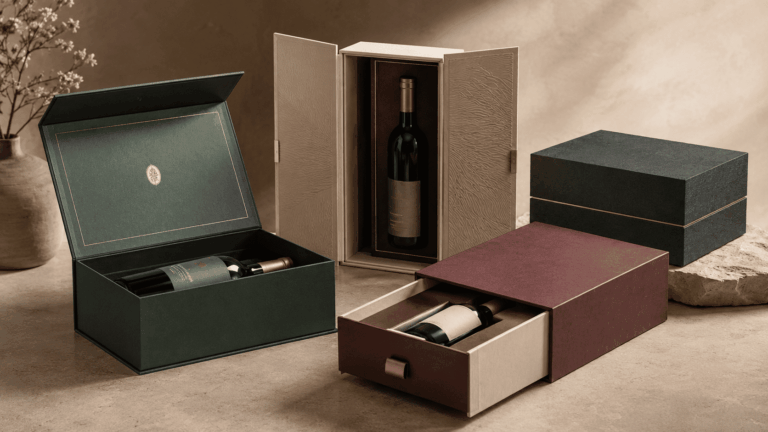
Single-bottle formats can work with magnetic flip-top, lid-and-base, book-style, drawer, or foldable structures because access only needs to serve one main product.
Multi-bottle layouts often need a wider opening and clearer access. A double-door structure can frame two bottles symmetrically. A larger magnetic lid can expose the full set at once. Lid-and-base formats provide direct access, while drawer structures need enough clearance for a wider tray to move smoothly.
The opening should also make sense for packing. A structure may look balanced in a rendering but become inefficient if bottles are difficult to place or if the insert has to be removed repeatedly during assembly.
Why Do Multi-Bottle Wine Boxes Have a Different Cost Structure?
Material Is Only One Part of the Cost
A multi-bottle box generally needs a larger outer shell, more wrap paper, and more internal material. Even so, the final cost does not rise in a fixed ratio with bottle count.
A two-bottle wine box is not automatically twice the cost of a single-bottle box. Board grade, structure, insert material, printing, finishing, and production specification all shape the final quotation.
Inserts and Assembly Can Add Complexity
A single insert with one cavity can be relatively straightforward. A multi-bottle insert may need more cutting, separate parts, dividers, additional gluing, or tighter alignment during assembly.
Accessories add another layer. A wine opener or glass compartment creates another section to fit, assemble, and inspect. These steps affect production effort even when the outer box looks simple.
Finishing Depends on Structure and Surface Area
Foil stamping, embossing, spot UV, textured paper, and lamination may cover larger areas on multi-bottle packaging. A double-door structure may also require careful alignment across two panels.
For buyers, the useful question is not whether multi-bottle packaging is simply “more expensive.” It is which design features are creating the additional cost and whether those features support the project goal.
Which Wine Box Format Fits Different Applications?
Single-bottle boxes work well when one wine needs a clear hero presentation. They can suit premium retail, limited releases, individual gifts, and direct presentation.
Multi-bottle wine boxes are more appropriate when the package is designed as a set. Two-bottle formats can present paired wines or business gifts, while larger formats can support collections, seasonal sets, or wine-and-accessory combinations.
| Application | Suitable starting point |
| Premium single wine | Single-bottle box |
| Limited release | Single-bottle box |
| Corporate gift | Single- or double-bottle box |
| Paired wine set | Double-bottle box |
| Wine and accessories | Multi-compartment box |
| Collection or assortment | Multi-bottle box |
No format is universally better. The right choice depends on product configuration, presentation goals, and the expected handling route.
What Should Buyers Confirm Before Customizing a Wine Box?
Before requesting a custom quotation, prepare the complete product configuration. Include bottle dimensions, filled bottle weight, bottle shape, quantity per box, and whether every bottle uses the same profile.
List all accessories that will be packed with the wine. Confirm the intended opening structure, sales channel, carrying requirement, insert preference, printing, and finishing expectations. If the sales box will travel inside another carton, that transport route should also be considered during development.
At TopWinePack, we develop custom wine boxes around actual bottle and project requirements. The custom wine packaging process can cover structure, materials, inserts, printing, finishing, and sample confirmation before production.
The earlier the actual product configuration is fixed, the easier it becomes to control layout, protection, and cost.
Conclusion
Single-bottle and multi-bottle wine boxes differ in more than capacity. Bottle count can change internal layout, protection logic, opening structure, insert geometry, assembly, and cost drivers.
A single-bottle box can keep the focus on one product with a relatively simple support system. A multi-bottle box has to balance several products, reduce direct bottle contact, and maintain practical access.
For most buyers, a more reliable approach is to define the complete product set first and design the wine box around it. That is usually more effective than enlarging a single-bottle structure and adding dividers later.
FAQs
Q1: Is a multi-bottle wine box always more expensive than a single-bottle box?
A: Not in a fixed ratio. Multi-bottle formats often use more material and may require more complex inserts, dividers, assembly, and finishing. Final cost depends on the complete specification.
Q2: What insert is suitable for a multi-bottle wine box?
A: The insert should match the actual bottle profiles and reduce bottle-to-bottle contact. Paperboard partitions, molded pulp, EVA, foam, and other custom structures can be considered according to protection, presentation, and material requirements.
Q3: Can one wine box hold bottles of different shapes or sizes?
A: Yes, but the insert should be developed around each bottle profile. Different heights, shoulders, bases, or closures may require separate cavities or support zones so each bottle remains stable.