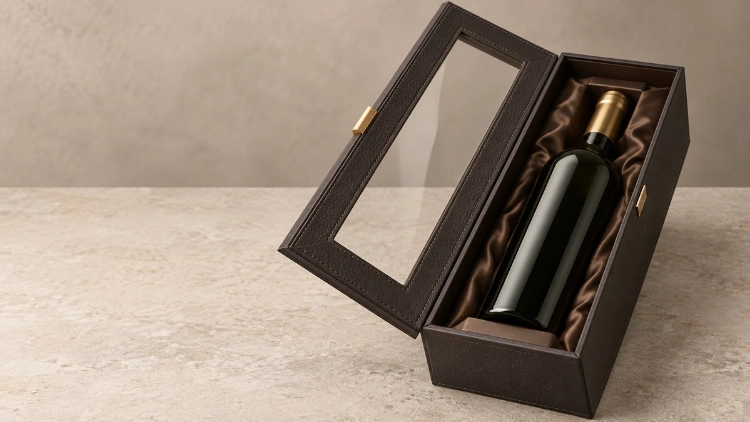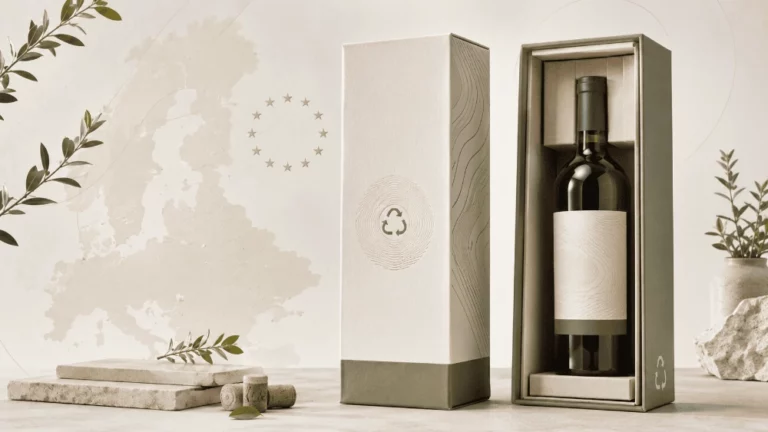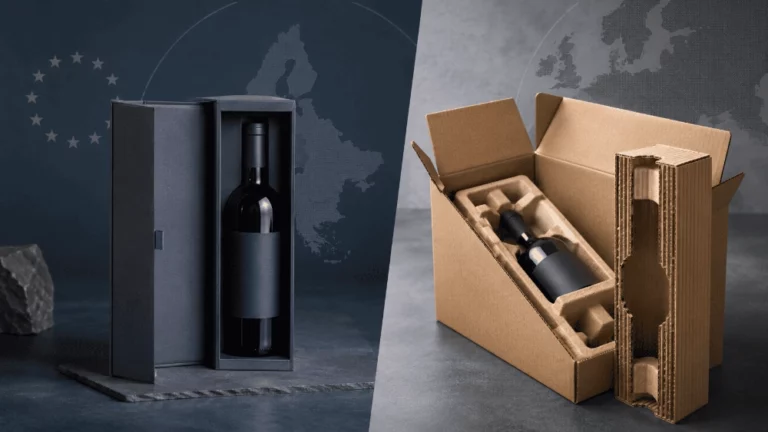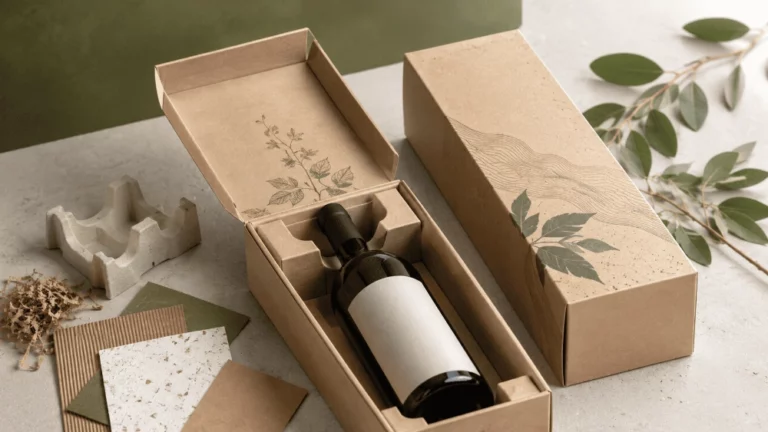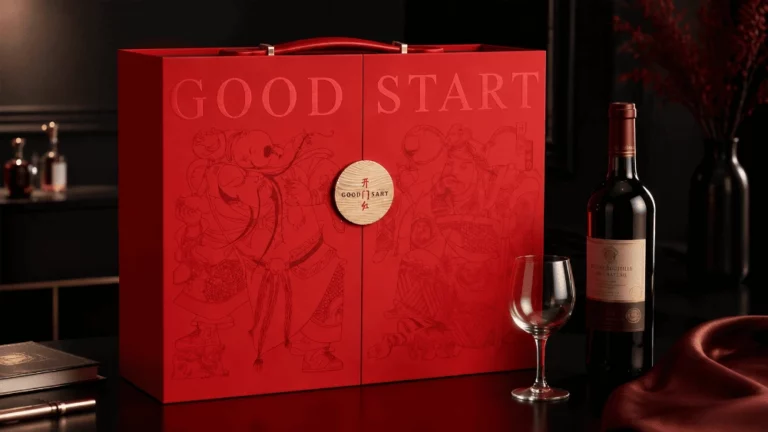

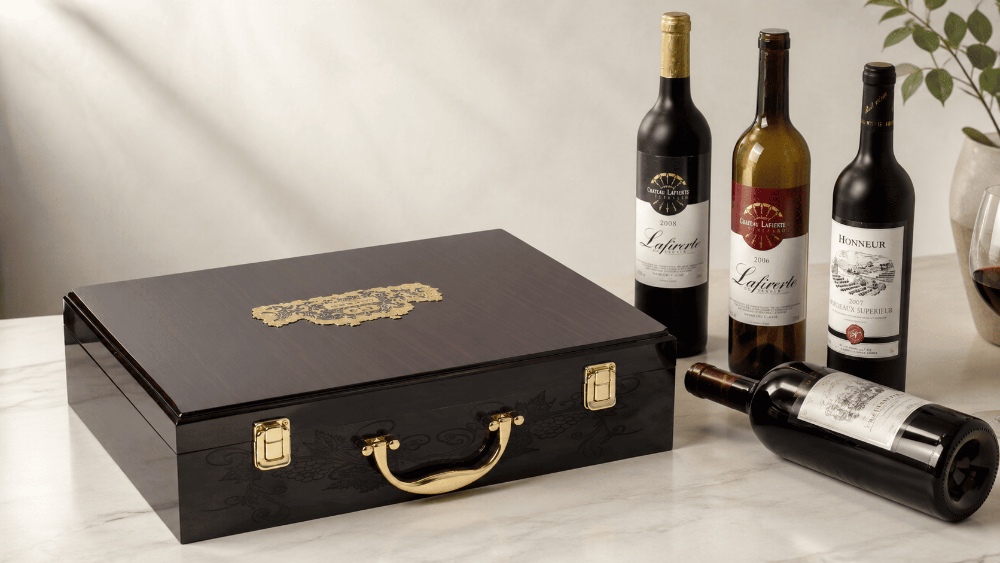
Wooden wine boxes are receiving more attention in premium gifting, collector programs, corporate presentations, and high-value multi-bottle sets. Their appeal comes from a stable case structure, substantial surface, fitted interior, and durable hardware that make the package feel like part of the product.
That does not mean wood is the correct choice for every project. Foldable paperboard may suit programs that prioritize low shipping volume, frequent artwork changes, or lighter handling. In luxury wine packaging, wood becomes more relevant when display life, formal presentation, repeated use, and a case-like opening experience justify the added material, weight, and finishing work.
Where Wooden Wine Boxes Fit Best
The strongest applications are usually projects in which the package remains visible after purchase. Corporate gifts, limited releases, collector editions, private cellars, premium retail sets, and multi-bottle presentations all place more value on structure and long-term appearance than a short-use transport carton.
A wooden wine gift box can also help organize a complete offer. Bottles, tools, cards, and accessories can be given fixed positions so the set opens in a controlled order. The buyer still needs to confirm whether that presentation value matches the wine price, sales channel, and expected handling conditions.
1. A Rigid Structure Supports Formal Presentation
Wood-based construction provides a stable platform for larger lids, multiple bottle cavities, hinges, latches, and handles. This is one reason wooden cases are selected for formal presentations where the package needs to stand upright, open evenly, and keep its shape during repeated use. In wooden wine box packaging, that stability also supports a controlled opening sequence.
Structure alone does not protect a bottle. The internal layout must still control the base, body, shoulder, or neck as required. Bottle movement, label contact, and load concentration should be checked with the filled product. For several bottles, the internal divider and insert must also distribute weight across the case rather than leaving one panel to carry the full load.
A custom wooden wine box should therefore begin with bottle measurements and packed weight, not with the external appearance. The structure, insert, and hardware should be treated as one system.
2. Wood Supports a Wide Range of Surface Finishes
Natural grain is only one design direction. Wooden wine box packaging can also use painted surfaces, stained finishes, matte coatings, high-gloss lacquer, engraved logos, metal nameplates, or restrained foil details. This gives brands several ways to build a formal or contemporary presentation without relying on printed graphics alone.
High-gloss finishes can create a furniture-like surface, but they require close production and packing control. Dust inclusions, polishing marks, uneven coating, and fine scratches may become visible under angled light. A refined finish should be supported by an agreed color reference, gloss expectation, acceptable surface standard, and individual protection method.
A wooden wine gift box with a simpler matte or stained finish may be more suitable where handling frequency is high. The correct finish is the one that fits the brand, use conditions, and inspection plan.
3. Reuse and Display Value Can Extend Packaging Life
Many buyers consider these cases because the package may remain useful after the bottles are removed. It can become a display piece, a keepsake box, an accessory case, or part of a private collection. That continued use can support premium positioning when the structure and interior still function after the original gift occasion.
Reuse is a possibility, not guaranteed consumer behavior. A case is more likely to be retained when the lid, latch, lining, and compartments remain useful. Event-specific graphics or a fixed promotional interior may reduce that value.
For luxury wine packaging, the intended second use should be defined during design. This may influence logo scale, divider design, removable inserts, lining choice, and whether the box can store other objects without looking incomplete.
4. Multi-Bottle and Accessory Sets Are Easier to Organize
A case format gives designers more control over double-, triple-, or four-bottle arrangements. It can also accommodate corkscrews, glasses, pourers, cards, or other accessories. Each item needs a defined cavity and a safe distance from the bottle surface.
The main challenge is not fitting everything into the smallest space. Packed weight, lifting balance, bottle orientation, hardware load, and opening clearance all matter. A wooden wine gift box may look balanced when empty but become difficult to carry once several bottles and tools are added.
Before approving wooden wine box packaging, buyers should test the complete product set. The review should include lifting, opening, bottle removal, accessory retention, and placement inside the master carton.
5. Hardware Creates a Case-Like Opening Experience
Hinges, latches, handles, and metal fittings can make a package feel closer to a permanent case than a folding gift box. In luxury wine packaging, they also introduce additional specification and inspection points.
The technical record should identify latch style, hinge type, handle material, plating color, fixing method, and opening resistance. “Gold hardware” is not enough for repeat production because tones, surface treatments, and fixing methods can vary.
Hardware must be reviewed under packed load. Handle fixings should remain stable, the lid aligned, and the latch operable without force. In wooden wine box packaging, decorative parts can become functional failure points.
6. Custom Details Support Premium Brand Positioning
A custom wooden wine box can combine structure, color, lining, logo treatment, insert shape, and hardware into one controlled brand presentation. Laser engraving may suit a restrained design, while foil or a metal plate can create a stronger visual focus. Velvet lining and fitted EVA can make the interior feel more formal when their color and texture match the exterior.
More decoration does not automatically create better luxury wine packaging. Every detail should have a clear purpose. If the main brand mark is engraved, a second large foil logo may weaken hierarchy. If the lacquer already creates strong reflection, additional glossy hardware may compete with the bottle.
The most effective result usually comes from a limited number of well-controlled elements that can be reproduced consistently.
What B2B Buyers Should Check Before Choosing Wood
The decision should follow the complete commercial route, not the material name alone.
Weight, Volume, and Carton Planning
Wooden wine boxes generally occupy their full assembled volume. They also add more tare weight than many paperboard formats. Buyers should request the packed unit weight, pieces per carton, outer-carton dimensions, lifting method, and any individual protective sleeves.
For export or distributed gifting, compare the complete landed project rather than the box price alone. Storage space, local handling, repacking, and final presentation may change the result.
Surface Protection and Finish Control
High-gloss lacquer, dark paint, and metal fittings can show rubbing or scratches. The packing plan may need tissue, foam sleeves, protective film, separators, or individual bags. Hardware should not touch the next case inside the carton.
The approved sample should be inspected under direct and angled light. The same method should be used during production review so surface decisions remain consistent.
Specification and Repeat-Order Consistency
A wooden case specification should state the wood or wood-based material, coating system, color, gloss level, joint method, lining, insert, hardware, internal dimensions, and packed configuration. Generic terms such as “premium wood” or “luxury finish” are not sufficient production instructions.
Keep the signed specification, physical sample, finish reference, and hardware sample together. This helps repeat orders follow the same standard even when materials or components need to be reconfirmed.
Intended Use and Actual Reuse
A collector case, corporate gift, and retail display do not share the same priorities. The buyer should decide whether the box must be carried, displayed, stored, reused, or presented once at an event.
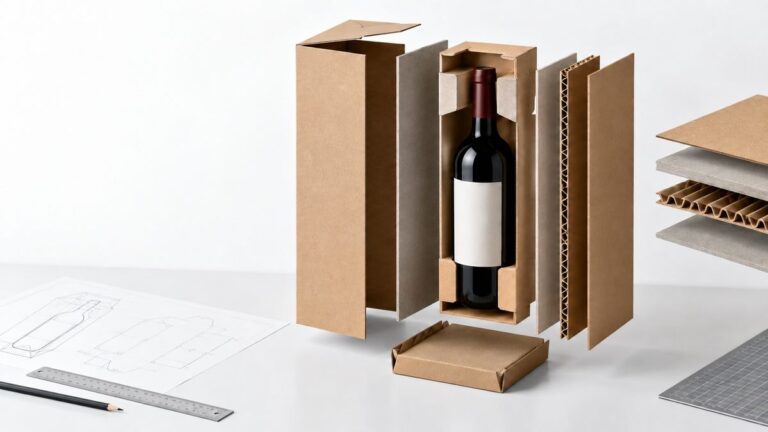
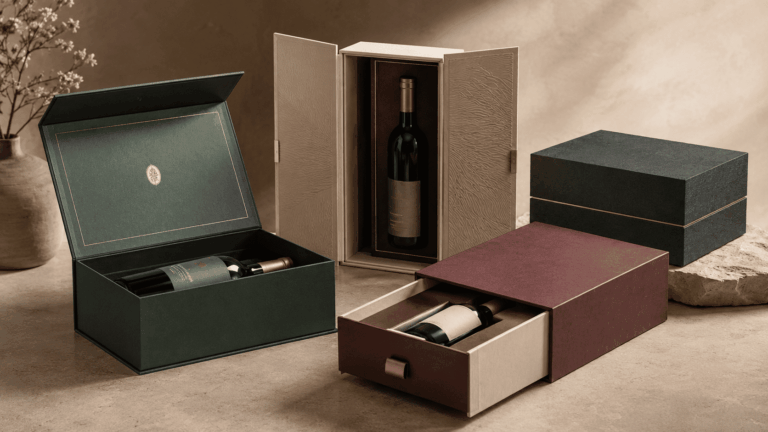
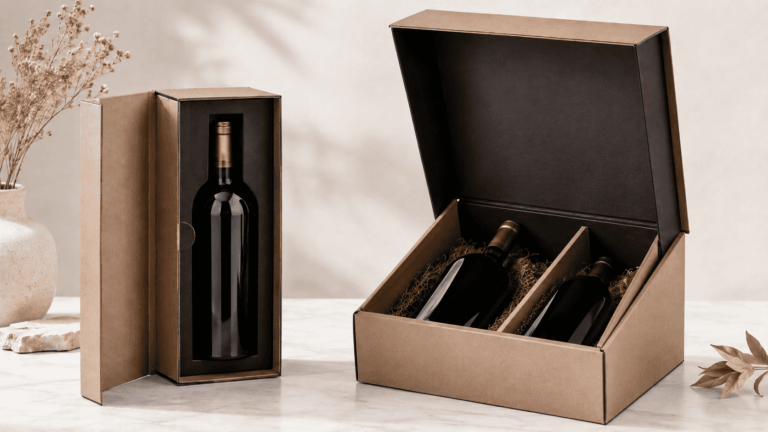
If low freight volume and rapid design changes are more important, a rigid or foldable paperboard route may be more suitable. TopWinePack also presents several cardboard wine box formats for projects where lighter structures and printed presentation take priority.
A Four-Bottle High-Gloss Example
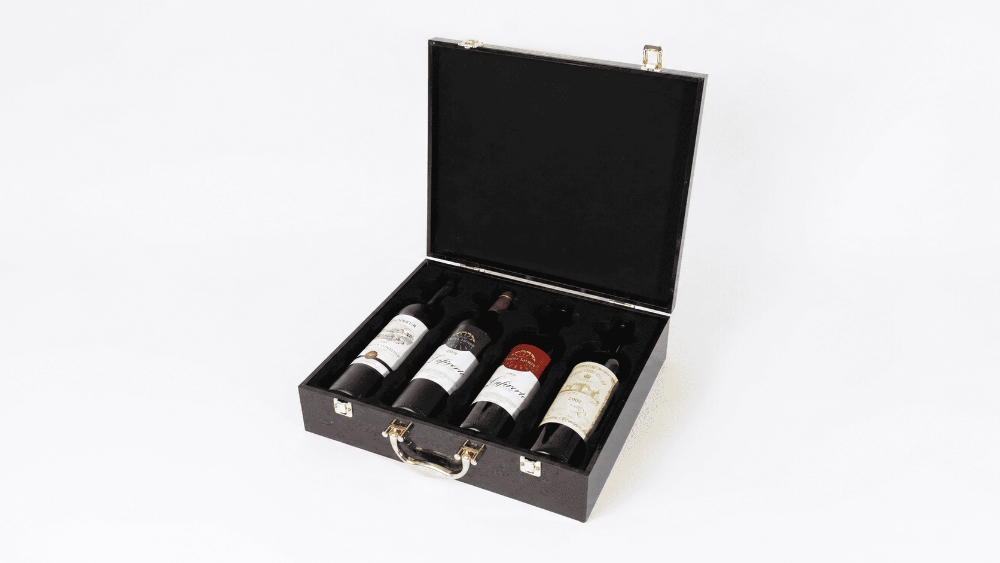
The Custom Luxury Wooden Wine Box with High Gloss Lacquer Finish is configured for four standard wine bottles. It combines wood construction, a high-gloss piano-lacquer finish, a velvet-lined interior, custom-molded high-density EVA inserts, and gold-tone handle and latch hardware. Branding and the internal layout can be adapted for the project.
This custom wooden wine box shows why a product page should become a technical brief before production. For a wooden wine gift box of this type, buyers still need to confirm the exact wood specification, lacquer color, gloss expectation, insert density, hardware finish, packed weight, individual protection, and sample acceptance standard. The existing configuration is a reference, not a universal template.
Wooden or Cardboard: Choose by Project Priority
| Project Priority | More Suitable Direction |
| Collector display and long-term presentation | Wooden case |
| Formal multi-bottle gift set | Wooden or premium rigid box |
| Flat packing and lower storage volume | Foldable rigid cardboard |
| Frequent artwork or seasonal changes | Often paperboard |
| Furniture-like high-gloss surface | Wooden case |
| Lightweight retail presentation | Cardboard structure |
The table is a starting point. A well-specified paperboard box can support premium gifting, while a poorly specified wood case can create handling and surface problems.
Final Selection
Wooden wine boxes are more popular in projects where the package must feel permanent, support multiple components, and remain present after the bottle is opened. In luxury wine packaging, their value comes from the complete system: structure, surface, insert, hardware, carton planning, and repeat-order control. Wooden wine box packaging should still be selected against real commercial limits.
At TopWinePack, we develop custom packaging around the bottle, use case, finish, and internal layout. Our services cover structural development, materials, branding, inserts, sampling, production, quality inspection, and packing.
Share the bottle quantity, intended occasion, preferred finish, insert layout, and carrying requirements to discuss a custom wooden wine box project. A clear brief makes it easier to review whether wood provides real commercial value for the project.
FAQ
Q: Are wooden wine boxes more durable than cardboard boxes?
A: Wood can provide a rigid, reusable case, but durability still depends on material, joints, coating, hardware, insert design, and handling. The final choice should be verified with a sample and the actual packed bottles.
Q: Can a wooden wine gift box hold several bottles?
A: Yes, multi-bottle layouts are possible. Bottle dimensions, filled weight, spacing, insert support, base strength, handle fixing, and carton protection should be reviewed together before production.
Q: Is a custom wooden wine box suitable for every wine brand?
A: No. It is most relevant when formal presentation, collector value, repeated use, or a multi-bottle set justifies added weight and processing. Lightweight retail or flat-pack projects may be better served by paperboard.